


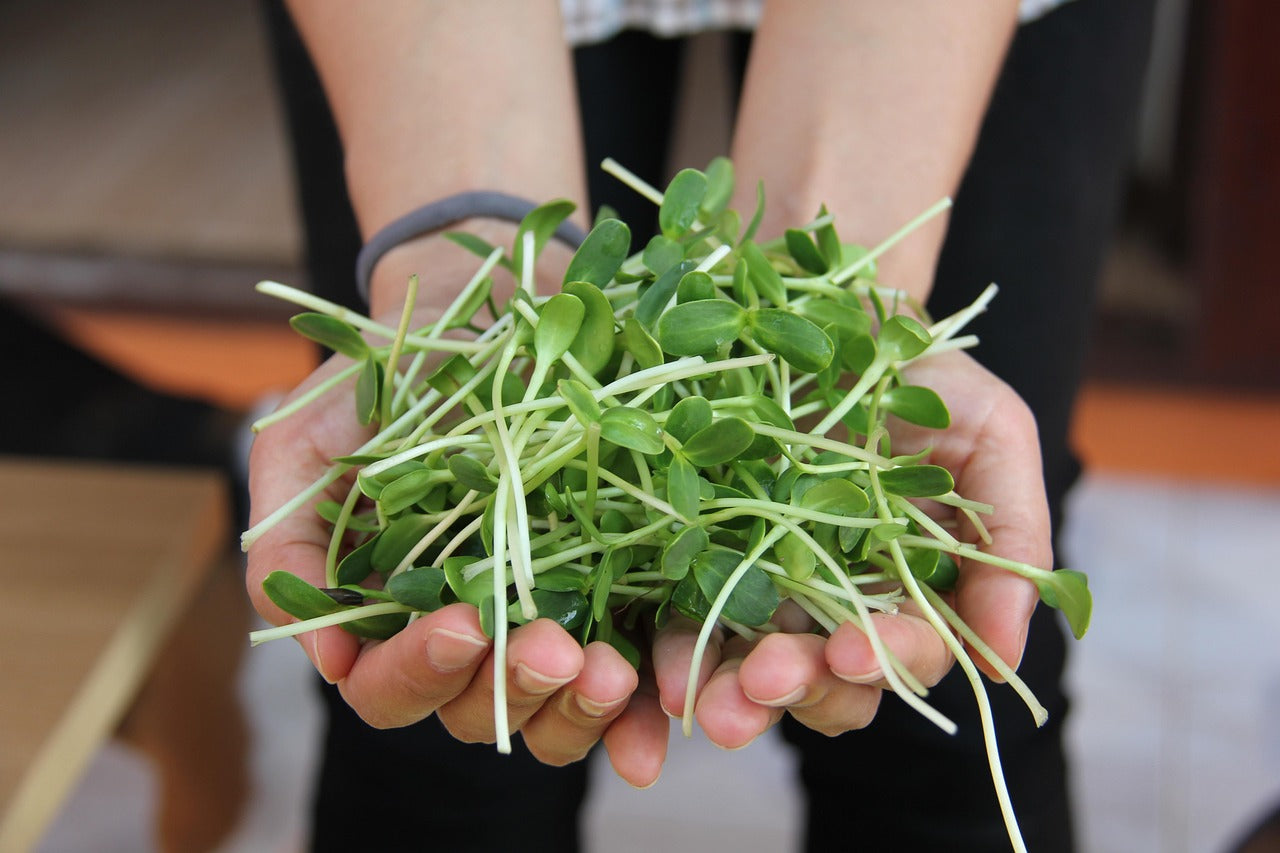
Sprouts as a Primal Food: How They (May or May Not) Fit into an Ancestral Lifestyle
Primal, ancestral, paleo: all trendy terms you see everywhere today, but they all boil down to living and eating according to old principles from a time without processed foods. So what fits into that approach and what doesn’t?
Sprouts, for example, are one of those categories of foods that you either love or completely ignore. Some people enthusiastically sprinkle them over every salad, while others walk past them in the supermarket as if they’re only meant for yoga influencers and rabbits. But once you start eating more in line with our evolutionary ancestors, the same question inevitably comes up: do sprouts actually fit here? And as often happens, the answer is a bit more complex than a simple yes or no.
Did Our Distant Ancestors Eat Sprouts?
Sprouts may at first glance seem out of place in an eating pattern that takes evolution as its starting point. After all, it focuses mainly on food in its original form: meat, fish, eggs, vegetables, fruit, nuts, root vegetables, and occasionally some honey.
However, sprouts were eaten long before processed foods existed. Many ancient cultures used sprouted seeds because of their availability, nutritional value, and shelf life. In China, for example, mung bean sprouts were used more than 3,000 years ago, both as food and in traditional medicine. In the Middle East and parts of Africa, grains and legumes were sprouted to make them more digestible and to unlock more nutrients. Sprouts were practical: they could be produced without farmland, grew quickly, and offered a nutritious supplement during times of scarcity. In short, sprouts are part of a very old nutritional history.
In-Between Category
In modern evolution-oriented diets, sprouts occupy a kind of middle position. They are seeds, but no longer in their hard, “defended” form. Once a seed begins to germinate, it transforms into a young plant with a completely different nutritional profile: fewer anti-nutrients, more vitamins, different enzyme activity, and improved digestibility. That means that many vegetable sprouts fit surprisingly well within an ancestral diet, while others (like legume sprouts) require more nuance. In short: sprouts are not classic ancestral foods, but they can be a modern, ancestral-consistent addition... if you know which types suit you.
What Sprouts Actually Are (and Why It Matters)
A sprout is simply a seed that wakes up. The hard shell breaks open, the embryo begins to grow, and it’s this early plant that we eat. This germination process is key to everything. As soon as a seed germinates, its chemistry changes entirely:
- the seed converts some of its sugars into vitamin C;
- anti-nutrients such as phytic acid (and, in the case of grains, lectins) begin to decrease;
- antioxidants and sulfur compounds increase.
So you’re no longer eating the “defended” seed packed with substances meant to keep animals and fungi at bay, but a young, growing plant that is actively pushing nutrients outward.
What Ancestral Eaters Gain from Sprouts
Sprouts can be an interesting addition for health-conscious eaters. Because vitamin C increases during germination and anti-nutrients decrease, minerals such as magnesium, zinc, and iron become more absorbable. For people who eat many vegetables, meat, and nuts, sprouts offer an extra source of bioactive compounds such as glucosinolates in broccoli and radish sprouts, which support antioxidant and anti-inflammatory processes. Sprouts also contain enzymes that aid digestion, improving nutrient absorption. Their proteins are easier to digest because stored seed proteins break down into free amino acids during germination, making essential amino acids more accessible.
But this depends on the type of sprout.
The Top Category: Vegetable Sprouts
This is the safest category. Broccoli, radish, arugula, and sunflower sprouts are almost always a straightforward “yes.” Broccoli sprouts in particular are like a mini-superfood: extremely high levels of certain protective sulfur compounds rarely found in such concentration in the mature vegetable. They fit perfectly into an ancestral-style diet: lots of plant power, fresh and vibrant. If you want to start somewhere, start here.
The Confusion Around Grain Sprouts
This category always raises eyebrows: “But grains aren’t ancestral foods!” Correct. But note: when you eat sprouts, you’re not eating the grain, but the plant that grows from it. And that difference is bigger than it seems. When a grain germinates:
- lectins, the seed’s natural “defense weapons”, drop quickly in the first days;
- the gluten-like proteins (such as gliadin and glutenin) are mainly in the starchy endosperm of the kernel, not in the sprout you eat;
- the sprout uses the seed’s stored nutrients to build itself, leaving most of the “problem substances” behind in the part you don’t consume.
Does this mean grain sprouts are suddenly superfoods? Unfortunately not. You’re mostly eating fiber and water with some vitamins. Nutritionally, they are lightweights compared to real vegetables. But they are far less problematic than the grain they come from.
The Difficult Category: Legume Sprouts
Here you really need to be careful. While grain sprouts quickly reduce their defensive compounds, legumes often stubbornly hold onto saponins, natural substances that can irritate the gut or increase gut permeability. Alfalfa is the most well-known example: very popular, but also rich in saponins simply because it is part of the bean family.
So yes, legume sprouts are milder than unsoaked beans, but from an ancestral perspective they remain in a gray area. For many people, they are simply not ideal.
And Then the Hygiene Issue
Sprouts grow in warm, moist environments, a true paradise for bacteria like E. coli and salmonella. Pre-packaged bean and alfalfa sprouts from the supermarket are especially notorious in this regard. Home sprouting is usually safer: rinse daily, use clean jars, and apply common sense. It’s that simple.
How to Enjoy Sprouts
The best way to think of sprouts is as a fresh, lively addition to your plate:
- in an omelet
- on grilled meat or fish
- in a salad
- over a bowl with vegetables
- on a sandwich (if you’re not strict ancestral)
- or simply as a crunchy finishing touch
And: eat them raw to get the most nutrients.
So: Do Sprouts Fit an Ancestral Lifestyle?
Highly recommended: vegetable sprouts (broccoli, radish, arugula, sunflower)
Usually fine: grain sprouts (fewer anti-nutrients, low gluten, but little nutritional density)
Questionable: legume sprouts (still contain saponins, often problematic)
Best option: sprout your own (fresher, safer, tastier)
Bottom line: sprouts are not a simple “yes or no” category in ancestral-style eating. But with a little knowledge, they can be used confidently. Vegetable sprouts are the clear winners, grain sprouts surprisingly mild, and legume sprouts are the ones that require you to assess your gut’s response. In my view: sprouts belong in your kitchen, especially if you enjoy fresh, crunchy and nutritious foods. Exactly what ancestral eating is about.
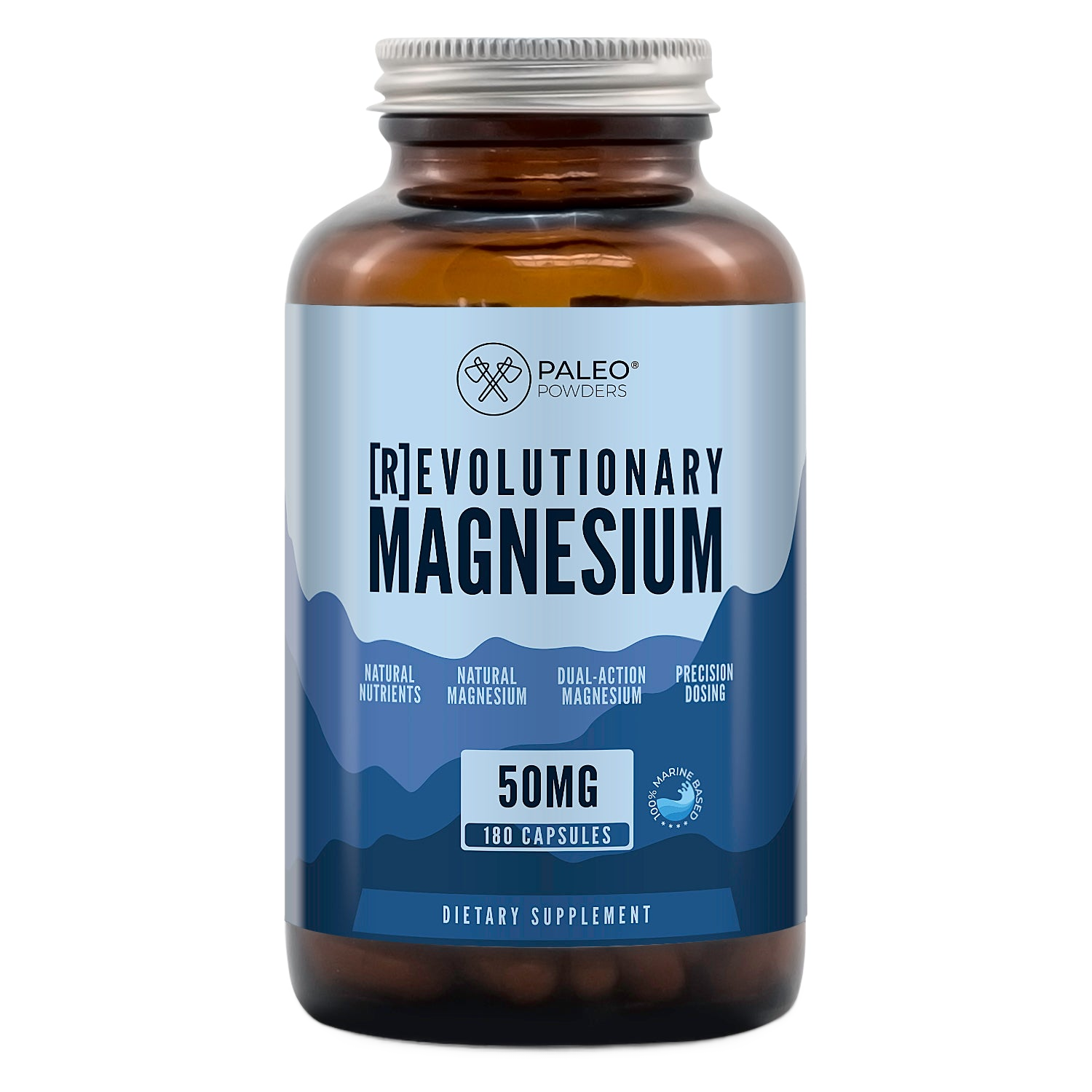
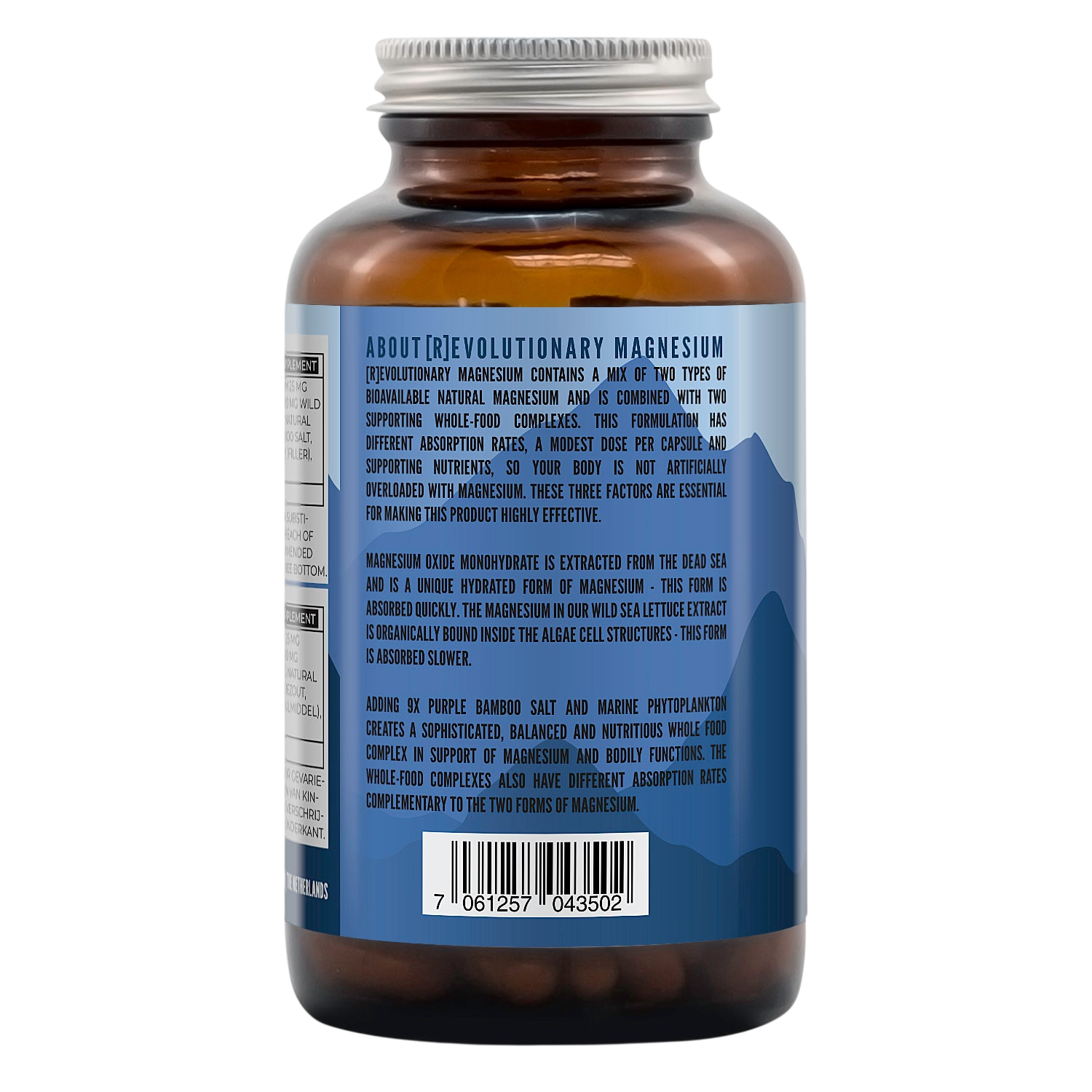
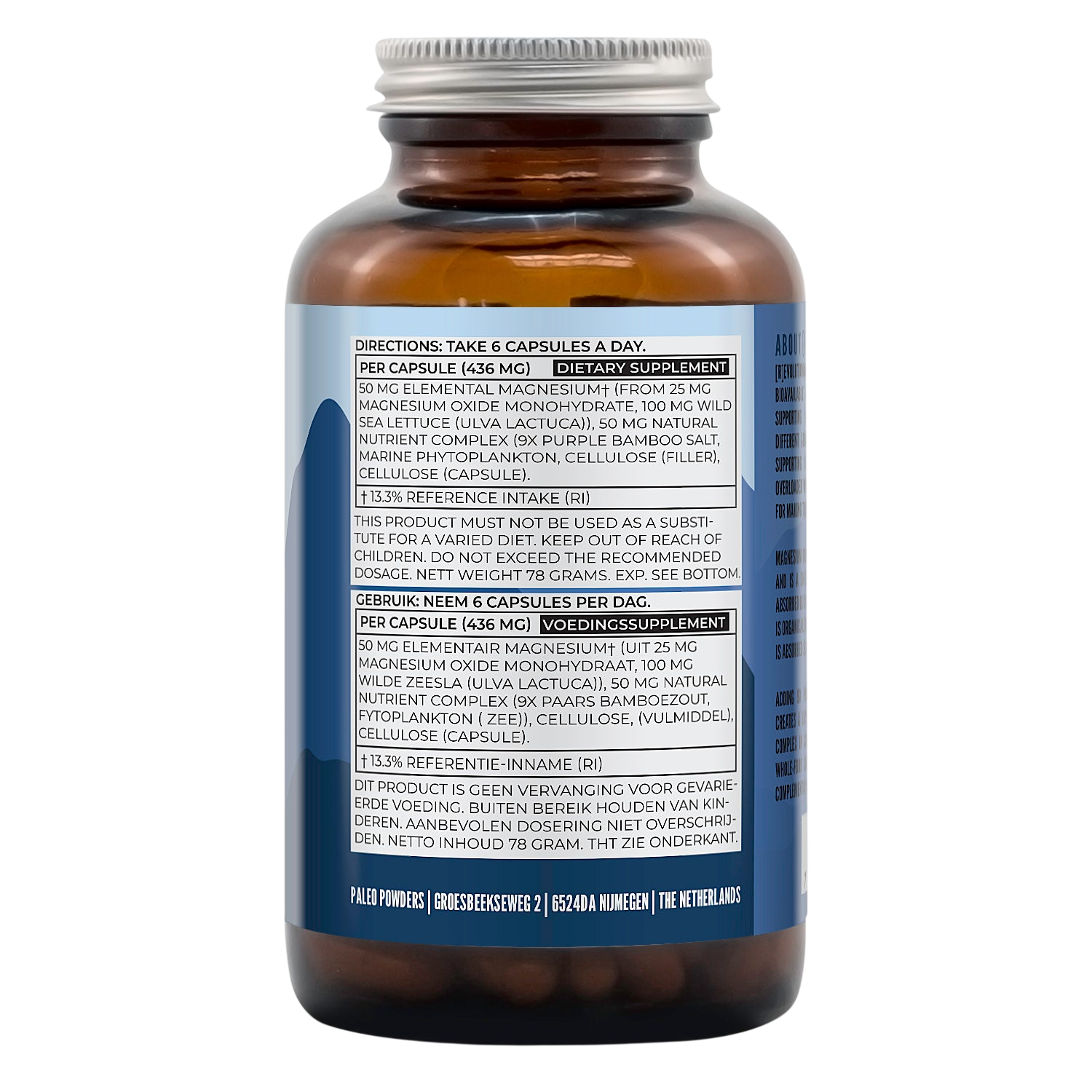
Magnesium - 100% Natural

Read more
“No Grains?” – The Small Choice That Sparks Big Debate
Anyone deciding to eliminate grains from their diet quickly discovers that not only the food itself changes, but also the conversations surrounding it. Skipping a sandwich or replacing a wrap with ...
Read more
L-carnitine: An Athlete's Thing, or Is There More to It?
Your body produces a small amount of L-carnitine itself (around 15–30 mg per day) and you also get some from meat and fish. But with a plant-based diet, with aging, or if you train hard, that can s...
Read more