


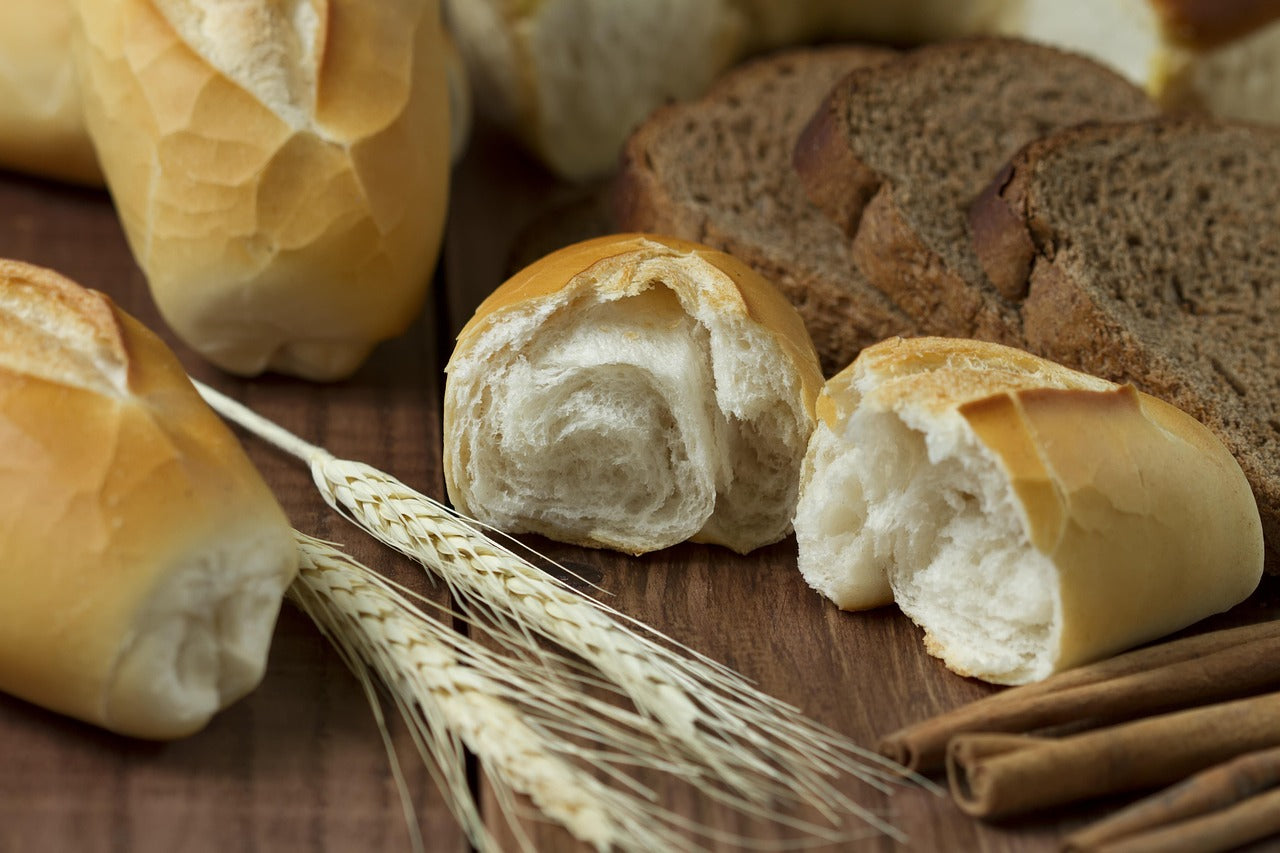
“No Grains?” – The Small Choice That Sparks Big Debate
Anyone deciding to eliminate grains from their diet quickly discovers that not only the food itself changes, but also the conversations surrounding it. Skipping a sandwich or replacing a wrap with a salad sounds simple, but it often provokes all sorts of reactions. This isn't surprising: grains have been part of the daily diet for thousands of years and are considered the foundation of a meal in many cultures. Most Dutch people grow up with them. Deviating from something so deeply ingrained in our food culture feels like breaking a basic rule for many people, which quickly sparks curiosity and skepticism. Reactions vary from person to person, and for many, the choice is more about habit than theory.
"What's wrong with grains?"
The first question people usually ask is why someone would avoid grains in the first place. Many expect a medical diagnosis, since celiac disease is the most common reason for avoiding bread and pasta. But for quite some time now, a growing number of people has simply noticed that they feel better without grain products: less bloating, calmer digestion, or more stable energy levels. It's true that grains contain certain substances that not everyone processes equally well. However, science isn't unanimous about the extent to which these substances are harmful to the average healthy person.
The practical side is also discussed: whether it's incredibly complicated. In reality, it isn't. It's mainly a matter of a new base: vegetables, eggs, meat, fish, fruit. Many restaurants are now accustomed to dietary requirements and adapt dishes effortlessly. What once seemed exceptional is becoming increasingly normal.
Then there's the common remark that everything in moderation is fine. But "moderation" isn't an objective measure; it's an individual experience. If someone demonstrably feels better without grains, that's not a rigid or dogmatic choice but a practical one. It's less about denying yourself something and more about listening to your own body's signals.
Some people will say they've been eating grains their whole lives without any problems. That may be absolutely true. At the same time, many people consider mild digestive issues or energy dips normal, simply because they've been used to them for years. Therefore, the effect of eliminating grains only becomes apparent after trying it for a while. This doesn't mean everyone is better off without grains, just that the experience varies greatly from person to person.
Carbohydrates, Fiber, Minerals
This immediately raises another question: does eating fewer or no grains automatically constitute a low-carb diet? The idea is obvious, because grains provide a lot of carbohydrates. However, a grain-free diet doesn't have to be low-carb. Those who eliminate grains can still get plenty of carbohydrates from vegetables, fruit, potatoes, and legumes. This is essential for active people. Therefore, the motivation is rarely carbohydrate restriction; it's usually about comfort, energy, or avoiding foods that someone reacts poorly to.
The argument that grains have traditionally formed the basis of the well-known food pyramids is an equally familiar one. Its history is important to understand: many guidelines were developed in a period when deficiencies and malnutrition posed a greater risk than overnutrition. Grains were affordable, easily stored, and provided a reliable source of calories.
Today, nutritional science takes a broader, more flexible, and more individualized perspective. For some people, grain products fit perfectly into a healthy diet; others function better when choosing alternative staples. The idea of a single universal model that is optimal for everyone is becoming increasingly untenable.
Another legitimate question is where someone gets their fiber from. The assumption that grains are the best or most important source of fiber is only valid if you consider the traditional Western diet, which often lacks vegetables and fruit. When you eat plenty of these, along with nuts, seeds, and legumes, you effortlessly get enough fiber, often in forms that are particularly beneficial for gut flora. A grain-free diet sometimes forces people to seek more variety.
Another question that often comes up when you're cutting out grains is where you get your minerals. It sounds logical: grains are often presented as nutritious and rich in important micronutrients. A quick glance at a label reveals impressive percentages of calcium, magnesium, or iron. Yet, such a list only tells part of the story. After all, nutrition isn't just about what's in something, but mainly about what your body can actually do with it. This distinction may sound subtle, but it defines the difference between eating for the numbers and eating for your physiology.
What's less often discussed is that grains contain certain substances that hinder mineral absorption. One of these substances, phytic acid, occurs naturally in the outer layers of many grains. It's a kind of storage form for phosphorus, which serves a useful function in plants, but plays an unexpected role in the human body: it binds to minerals. This means that minerals that are present on paper—calcium, magnesium, zinc, iron, and a few others—are less readily available for intestinal absorption. So, the minerals are present, but they are "packaged" in a way that our digestive system can't optimally handle.
This means that people who rely heavily on grains for their diet sometimes benefit less from the micronutrients present than they might expect. The body works with what it can absorb, not with what's listed on a label. This creates the potential for strange contrasts: a product might appear nutritious on paper, while its actual utilization in the body is significantly lower. It explains why some people, despite a diet that seems "adequate" according to the figures, still feel somewhat sluggish or less vital.
Intestinal Wall
Another recent insight concerns the way modern grain products affect the intestinal barrier. The combination of gluten-like proteins, certain carbohydrate-based fermentation products, and the ultrafine grinding of modern flour appears to increase the permeability of the intestinal wall in sensitive people. Not dramatically, but subtly enough to activate the immune system more frequently. This constant "low-grade" immune signal is seen by some researchers as a possible cause of fatigue, mild inflammation, or vague aches and pains that are difficult to pinpoint. The effect is primarily linked to highly processed grain products: the finer the flour, the faster it digests and the greater the impact on both blood sugar and the intestinal environment.
Tips for beginners
When switching to a grain-free or low-grain diet, it helps to first identify your current habits: which meals mainly revolve around bread, pasta, or grains? This allows you to make more targeted substitutions. Many people start with small changes, such as swapping granola for a mix of yogurt with nuts, seeds, and apple pieces, or replacing lunch with a vegetable omelet instead of a stack of sandwiches.
Search online for creative recipes. For dinner, vegetable alternatives work well: cauliflower rice with stir-fry vegetables, zucchini pasta with pesto and chicken, or a sweet potato stew instead of rice. Because grains normally provide a lot of fiber, it's important to compensate with beans, lentils, avocado, cabbage, or root vegetables. This keeps your digestion calm and helps you feel fuller longer.
If you find yourself reaching for snacks quickly, it can help to plan ahead: for example, make snack boxes with carrots, cucumber, nuts, or a boiled egg. And if you exercise or do physical work, pay extra attention to getting enough complex carbohydrates from vegetables and legumes, so that your energy levels remain stable.
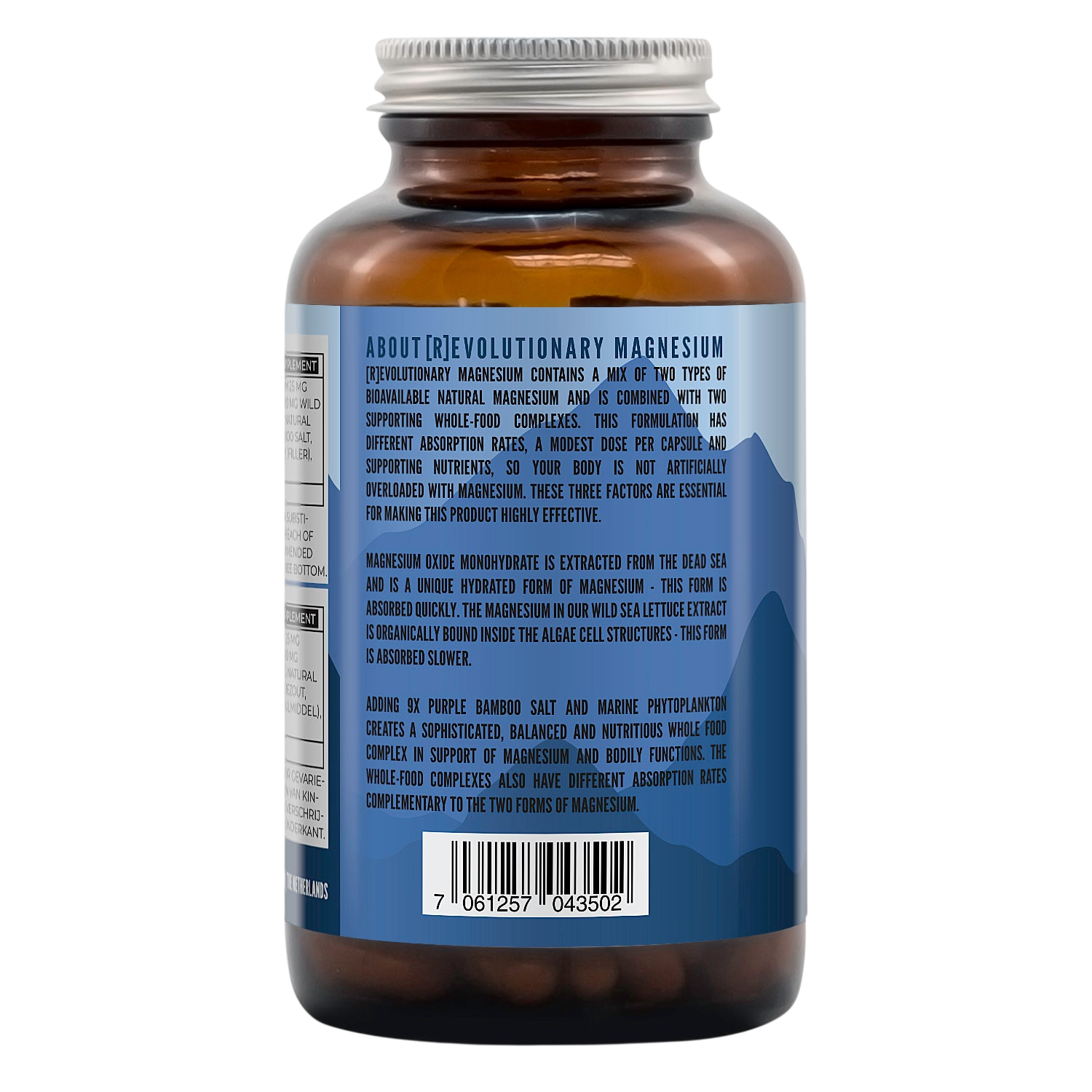
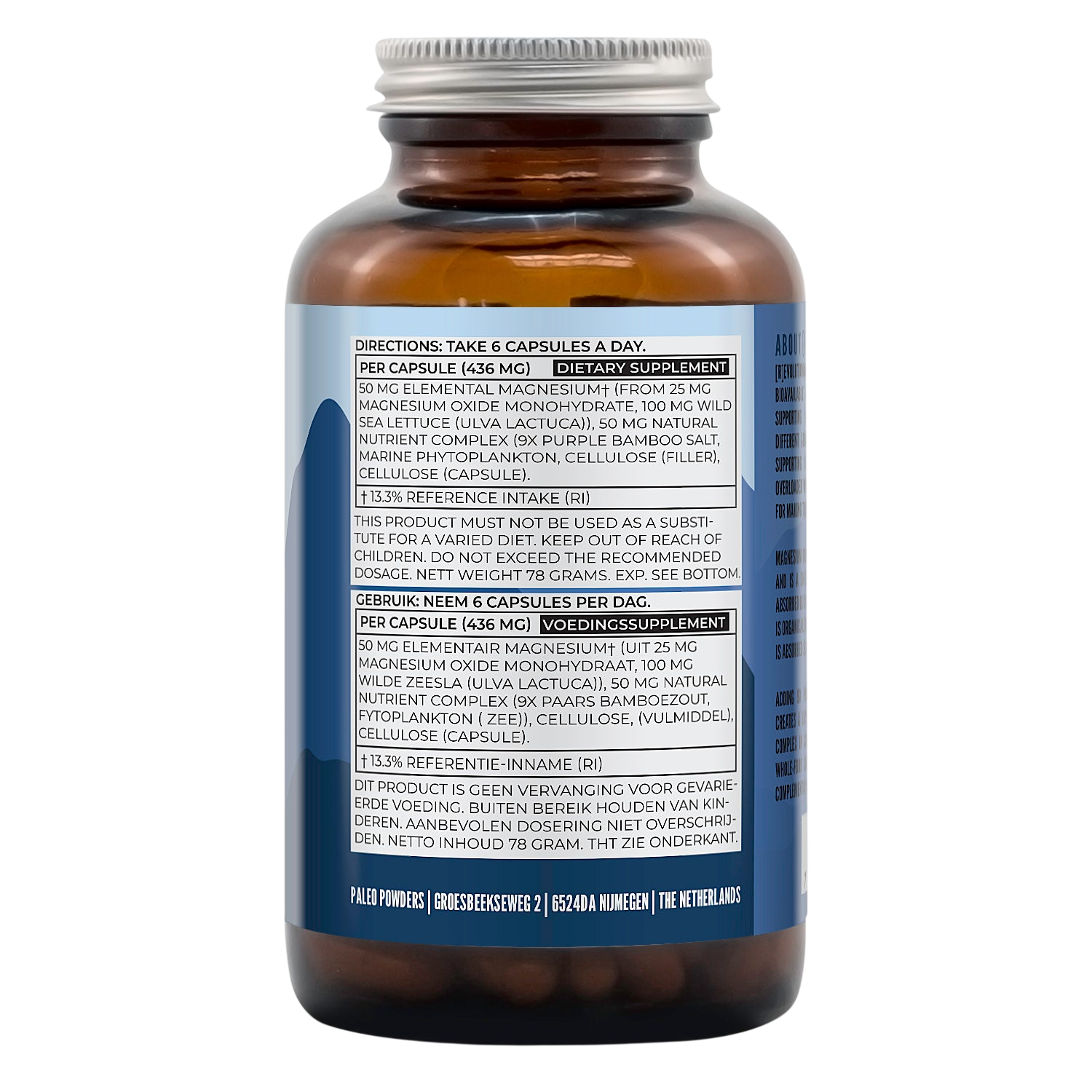
Magnesium - 100% Natural


Read more
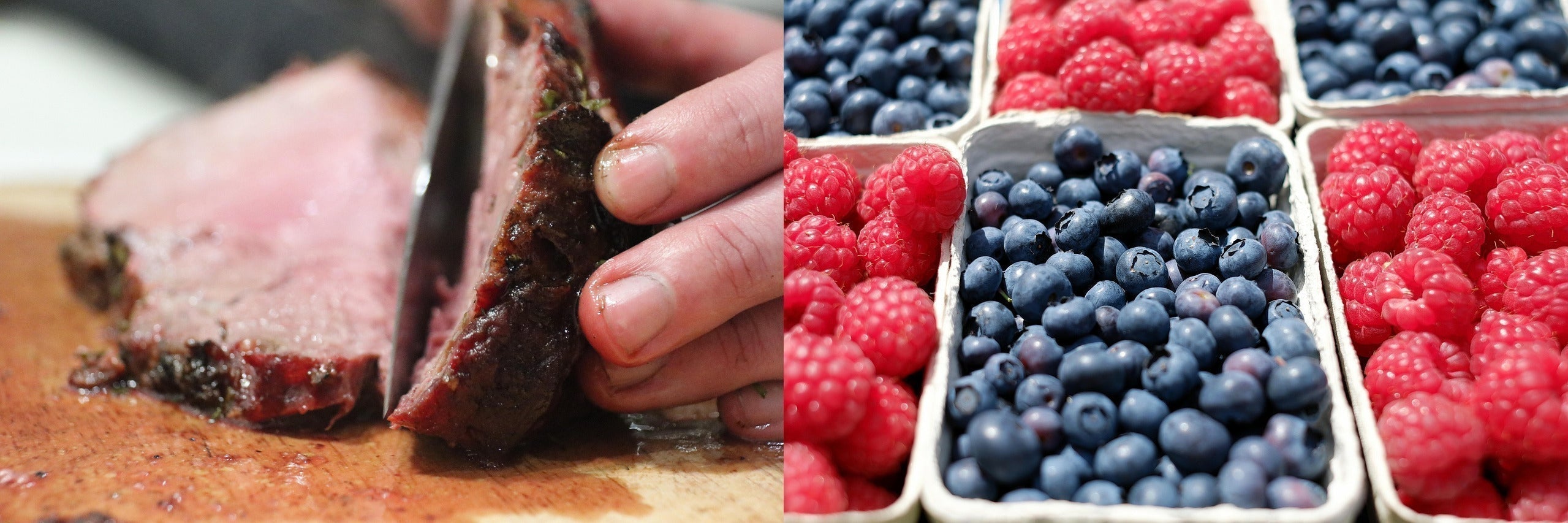
The meat and fruit diet: simple but well-thought-out
The meat-and-fruit diet sounds a bit strange at first. Just meat and fruit? Yet, it turns out to be more logical than it seems. It combines the nutrition of animal products with the freshness of f...
Read more
Sprouts as a Primal Food: How They (May or May Not) Fit into an Ancestral Lifestyle
Primal, ancestral, paleo: all trendy terms you see everywhere today, but they all boil down to living and eating according to old principles from a time without processed foods. So what fits i...
Read more