


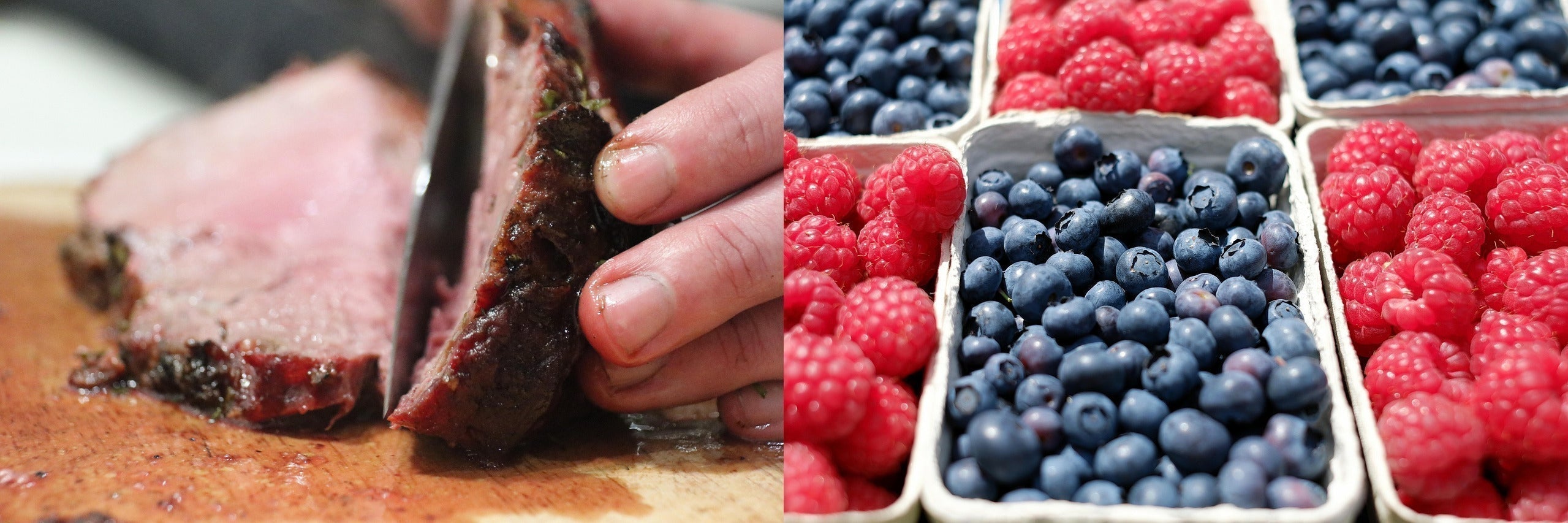
The meat and fruit diet: simple but well-thought-out
The meat-and-fruit diet sounds a bit strange at first. Just meat and fruit? Yet, it turns out to be more logical than it seems. It combines the nutrition of animal products with the freshness of fruit. This creates a complete yet manageable eating pattern.
You can think of it as something between a carnivore diet and a normal mixed diet. Meat provides protein, fats, and nutrients. Fruit provides natural sugars, vitamins, minerals, and phytonutrients. Together, they form a balanced foundation without many processed products.
Why meat and fruit go well together
Many plant products, especially grains, legumes, and seeds, contain substances like phytates and lectins. These can hinder mineral absorption and sometimes cause digestive problems. Animal meat does not contain these and is therefore easier to digest.
Fruit is a great fit. It's meant to be eaten, contains few antinutrients, and provides exactly what meat lacks: vitamin C, potassium, fiber, and natural sugars. Moreover, fruit contains polyphenols, such as the anthocyanins in berries. These act as mild stressors in your body, which can boost resilience and provide antioxidant benefits.
The basic principle is simple:
eat quality meat, including organ meats;
eat a wide variety of fruits;
avoid processed foods, grains, legumes, and possibly most vegetables.
Back to the origin
The idea behind this diet is actually ancient. Our ancestors lived as hunter-gatherers. They ate meat, fish, eggs, fruit, nuts, and roots, depending on the season. Only with agriculture did grains and legumes become part of the diet.
The meat-and-fruit diet, therefore, harks back to that natural way of eating. You eat what your body has been accustomed to for centuries: animal foods and seasonal fruits.
What you eat
Animal food
The core is meat: beef, lamb, pork, chicken, fish, and shellfish. Organ meats like liver or heart are recommended because they contain many nutrients less abundant in muscle tissue, such as copper, manganese, and coenzyme Q10.
You can include eggs and dairy, but many people limit their intake. Animal fats like butter and tallow are used instead of refined oils.
Fruit
The choice of fruits is wide: peaches, mangoes, berries, apples, citrus, figs, dates, avocados, tomatoes, peppers, zucchini, pumpkins and cucumbers.
The idea is to vary. For example:
steak with berries
chicken with pineapple
lamb with kiwi
burger with avocado and tomato
fish with melon
This way you get variety and avoid one-sidedness.
Potential benefits
Nutritional coverage. Meat provides protein, B vitamins, iron, and zinc. Fruit supplements with vitamin C, potassium, fiber, phytonutrients, and natural carbohydrates.
Energy and recovery. The sugars in fruit help replenish glycogen, especially after exercise.
Simplicity. You eat from two main categories, which makes meal planning easier.
Digestion. Many people experience fewer stomach problems. Fruit and meat are easier to digest than grains and legumes.
Mild stimulus (hormesis). Polyphenols from fruit give your body a mild stress response, helping it learn to better manage oxidative stress.
What to pay attention to
There's still little long-term scientific research. So it's important to observe how your body reacts.
Sugar intake. High-sugar fruits, such as bananas or pineapple, can raise blood sugar. If you're sensitive to these, choose low-glycemic fruits like berries, avocados, tomatoes, bell peppers, or cucumbers.
Less plant variety. By limiting vegetables, grains, and legumes, you may consume less magnesium, calcium, and certain fibers. Supplements can compensate for this.
Fat and cholesterol. With a meat-rich diet, it's wise to watch your saturated fat intake, especially if you're prone to cardiovascular disease.
Kidneys and metabolism. A high-protein diet can be taxing for people with kidney problems.
Transition period. Your digestion and fluid balance may change slightly during the first few weeks. That's normal. Your body needs to adjust.
Practical tips
Choose grass-fed or wild meat, which is more nutritious.
Vary animal sources (e.g. fish for omega-3, shellfish for zinc).
Combine low-sugar fruit with something sweet when you need more energy.
Drink enough and watch your sodium and potassium intake.
Observe how your body responds: energy, sleep, digestion, hunger.
Build up gradually, especially if you are used to carbohydrates.
If you are unsure about any deficiencies, consult a nutrition professional.
Sample menu
Day 1
Scrambled eggs with strawberries
Chicken thighs with blueberries
Ribeye with watermelon
Day 2
Beef burgers with raspberries
Turkey with banana
Salmon with kiwi
Day 3
Omelet with salmon and blackberries
Pork chops with mango
Lamb steaks with apple
Day 4
Liver with orange
Entrecote with pineapple
Chicken legs with grapes
Day 5
Eggs with minced lamb and blueberries
Turkey burgers with melon
Cod with cherries
Day 6
Steak with berries
Pork tenderloin with pear
Chicken wings with peach
Day 7
Eggs with turkey sausage and strawberries
Shrimp with mango
Bison burgers with apple and berries
In summary
The meat-and-fruit diet is simple, nutritious, and surprisingly achievable. It combines the power of animal foods with the freshness of fruit. The result is a clear framework without unnecessary complexity.
Still, this eating pattern requires attention. Less plant-based variety, increased fat intake, and potential deficiencies are real concerns. So start slowly, listen to your body, and adjust as needed.
Anyone who does this will discover that this way of eating is not only clear, but also easy to maintain.
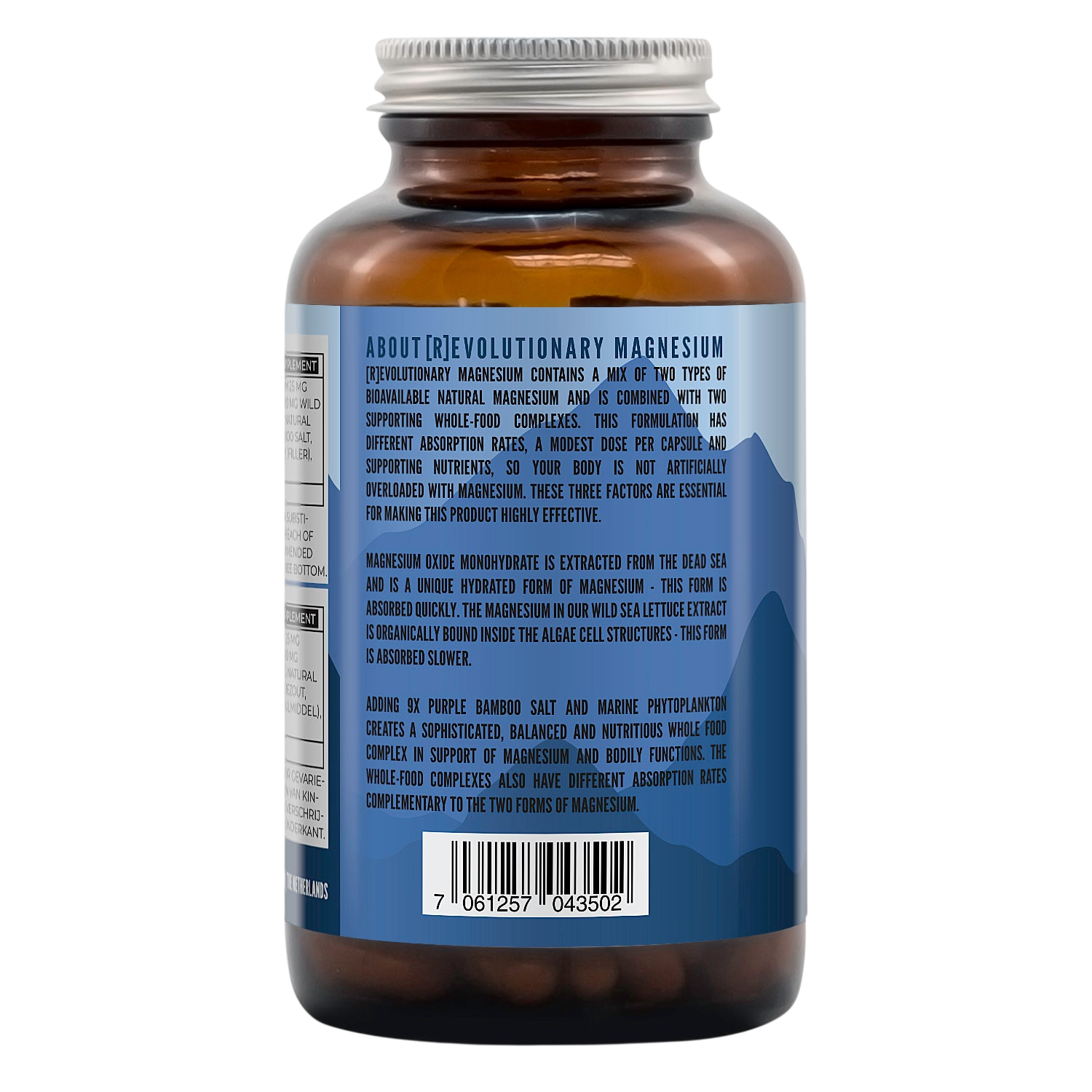
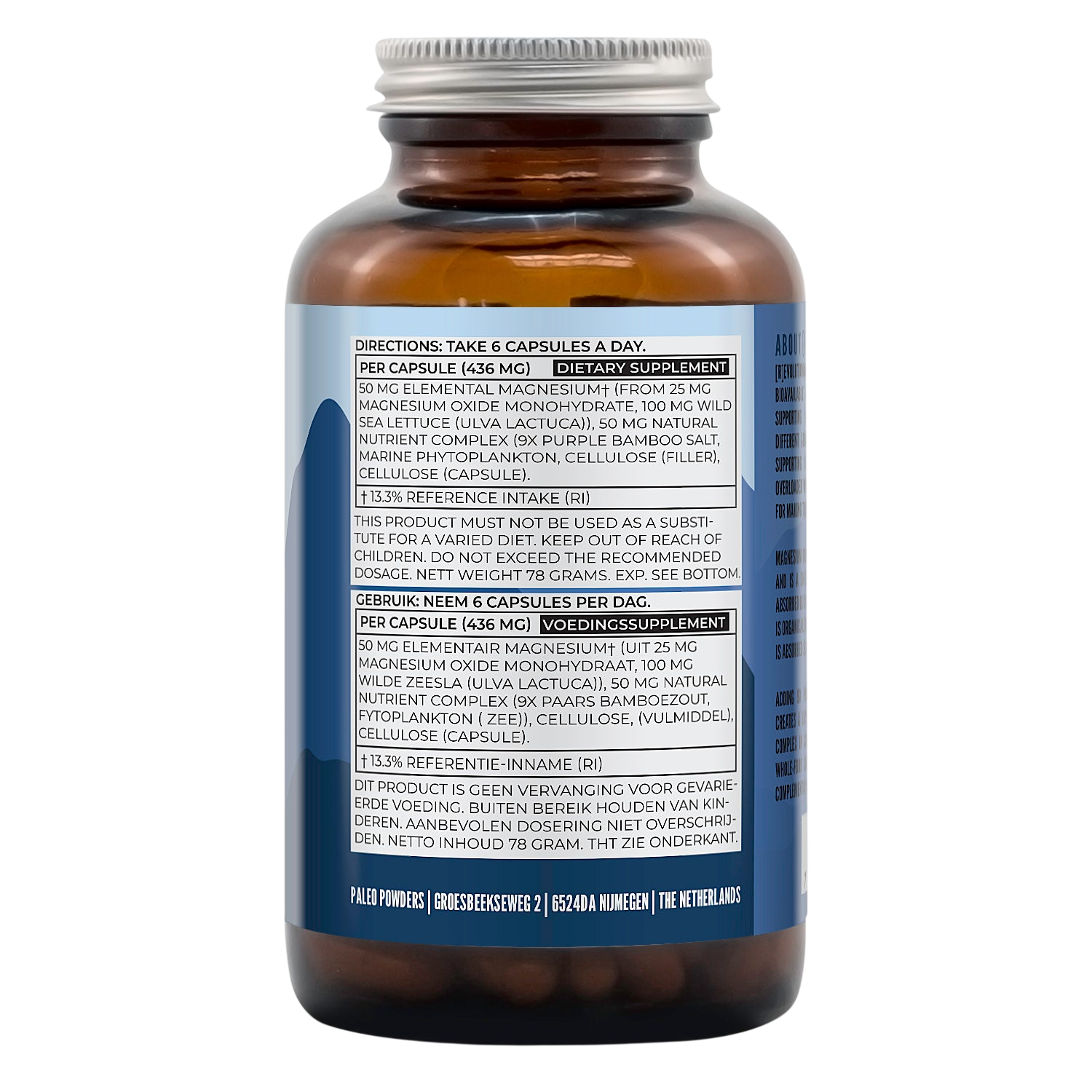
Magnesium - 100% Natural


Read more

A Calm Start: The Power of a Morning Routine
Most of us live at a constantly fast pace. Between work, family obligations, and daily tasks, our schedules are packed from sunrise to sunset. It’s no surprise that time for yourself feels rare and...
Read more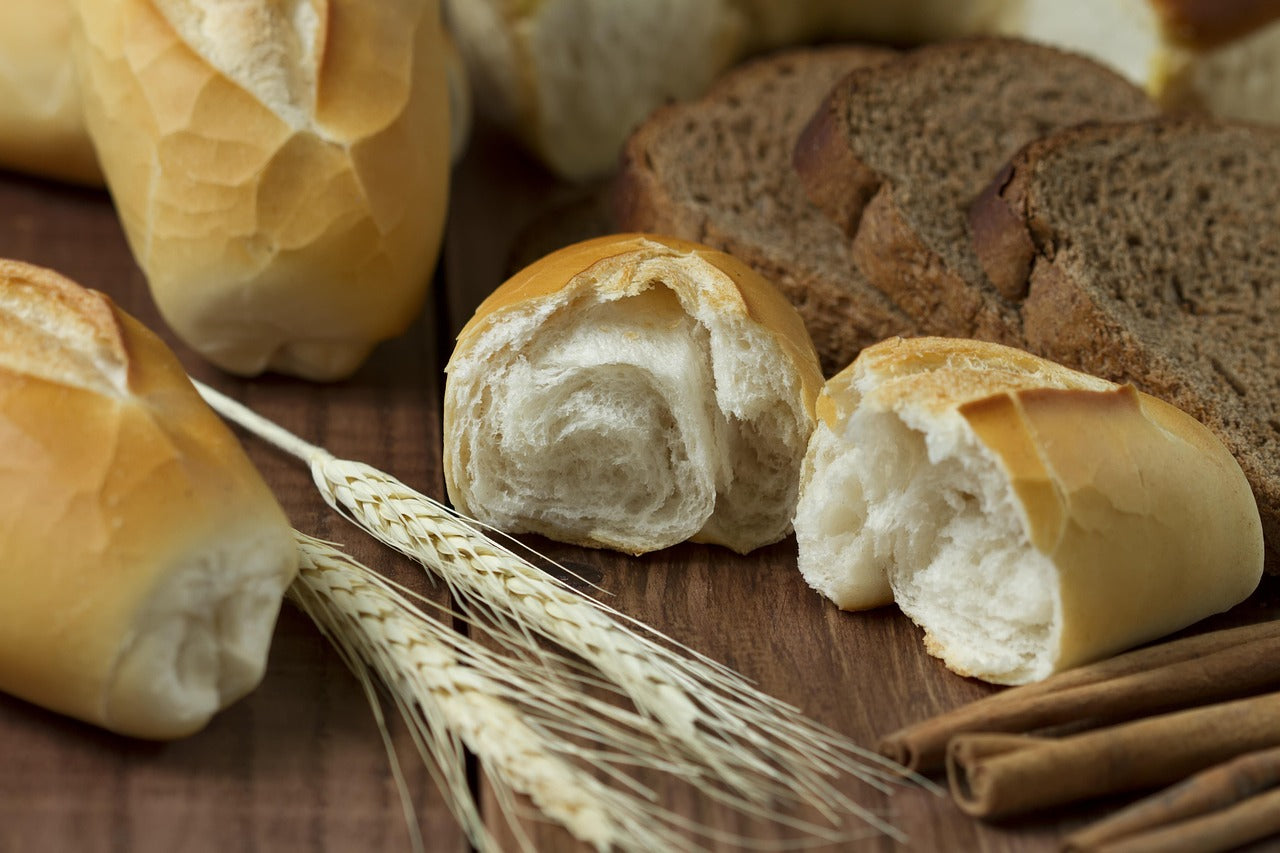
“No Grains?” – The Small Choice That Sparks Big Debate
Anyone deciding to eliminate grains from their diet quickly discovers that not only the food itself changes, but also the conversations surrounding it. Skipping a sandwich or replacing a wrap with ...
Read more