



Mental Wellbeing: Can Food Improve Your Mood?
More and more people are realizing that their mental well-being is closely connected to what they eat. For a long time, mental health was approached mainly through psychology and medication. But awareness is growing that nutrition plays a fundamental role. Depressive feelings, anxiety, irritability, and concentration problems are strikingly often associated with a dietary pattern characterized by sugar, ultra-processed foods, and deficiencies in essential nutrients. Can food really improve your mood?
Nutrition and the Brain: Why Quality Matters
Our brain is one of the most energy-intensive organs in the body. Although it accounts for only about two percent of our body weight, it consumes up to twenty percent of our daily energy. This makes the brain highly dependent on a constant supply of high-quality nutrients. Without the right building blocks, brain cells, neurotransmitters, and other messengers cannot function properly.
Increasingly, deficiencies in certain nutrients are being linked to mood disorders such as depression and anxiety (observational studies within nutritional psychiatry). Key examples include omega-3 fatty acids, B vitamins, magnesium, and amino acids. These substances are essential for the production of neurotransmitters like serotonin and dopamine, which regulate mood, motivation, and emotional balance.
Traditional dietary patterns rich in fish, vegetables, nuts, eggs, and high-quality meat provide these nutrients in their natural form. Highly processed foods, on the other hand, contain few useful building blocks and mostly empty calories: the exact opposite of what a stressed body and brain need.
Omega-3 and Depression: Fat Your Brain Needs
One of the strongest links between nutrition and mental health is that between omega-3 fatty acids and depression. EPA and DHA, found almost exclusively in fatty fish and seafood, play several key roles in the brain. DHA makes up a substantial part of neuronal cell membranes, while EPA is involved in anti-inflammatory processes.
Chronic low-grade inflammation in and around the brain is increasingly seen as a contributing factor to depressive symptoms (clinical and epidemiological research). Omega-3 fatty acids can reduce these inflammatory processes while also influencing neurotransmitter function. Several population studies show that people with higher levels of EPA and DHA in their blood rarely report depressive symptoms.
Intervention studies are also very promising. In multiple clinical trials, fish oil supplementation, especially formulations high in EPA, proved effective as an adjunct therapy for depression (meta-analyses of randomized studies). This makes omega-3 deficiency, which is common in Western diets low in fish, a realistic risk factor for low mood.
A dietary pattern that regularly includes fatty fish, shellfish, and grass-fed meat provides the brain with the fatty acids it needs to remain emotionally healthy.
The Gut-Brain Axis: Your Second Brain Has a Say
The relationship between nutrition and mood does not run only through the brain itself, but also through the gut. The gut-brain axis is the connection between your nervous system, immune system, and gut microbiome. Trillions of bacteria live in your intestines, influencing inflammation, hormones, and even the production of neurotransmitters.
A diverse and healthy microbiome is associated with less anxiety and a more stable mood (research within psychoneuroimmunology). Unprocessed, fiber-rich foods and fermented products promote this diversity. Paleo-inspired dietary patterns contain many vegetables, herbs, and natural ferments that nourish beneficial gut bacteria. Examples of vegetables include leafy greens, cabbages, root vegetables, onion, garlic, zucchini, bell peppers, and mushrooms. Herbs include thyme, rosemary, oregano, basil, cumin, turmeric, ginger, and cinnamon.
Interestingly, certain bacteria are closely involved in the production of neurotransmitter precursors such as tryptophan, which is needed for serotonin. In studies where probiotics or fermented foods were used, anxiety and depression scores decreased significantly in some groups. Not without reason are these bacteria sometimes referred to as psychobiotics.
It is therefore not surprising that many people feel mentally clearer and emotionally more stable when they replace ultra-processed foods and sugar with a more natural way of eating. The effect does not come only from your head, but quite literally from your gut.
Stable Blood Sugar and a Calm Mind
Anyone who has ever experienced a sugar crash knows the feeling: sudden fatigue, irritability, and a short temper. This “hangry” (hungry + angry) effect arises from rapid fluctuations in blood sugar levels. Western diets rich in refined carbohydrates and sugars cause high spikes followed by deep drops. These blood sugar swings directly affect stress hormones such as cortisol and adrenaline.
An ancestral-style diet consists mainly of proteins, healthy fats, and fiber-rich carbohydrate sources, which keeps blood sugar much more stable. This helps prevent mood swings, nervousness, and sudden energy crashes. People who switch to this way of eating often report more consistent energy levels and greater emotional calm (intervention studies on low-glycemic diets).
In addition, this type of diet is rich in magnesium and B vitamins, derived from vegetables, nuts, and animal products. Magnesium is involved in relaxation of the nervous system and is associated with reduced anxiety and fewer depressive symptoms when intake is sufficient (clinical observations). B vitamins are also essential for brain energy metabolism and neurotransmitter production.
Wild Salmon Roe: A Superfood for Your Brain
Besides fish fillet, there is a lesser-known but extremely powerful source of brain nutrition: wild salmon roe, also known as red caviar. These eggs are literally designed to nourish new life and are therefore exceptionally rich in essential nutrients.
Salmon roe is very high in DHA, the omega-3 fatty acid that makes up about thirty percent of the fat structure of the human brain. DHA is essential for flexible neuron membranes and efficient signal transmission. Higher consumption of omega-3 from fish is consistently associated with lower rates of depression and cognitive decline (epidemiological research).
In addition, salmon roe provides EPA, phosphorus, and vitamin B12. Vitamin B12 is indispensable for nerve function, and deficiency is common among people with fatigue and low mood. By regularly consuming small amounts of salmon roe, you obtain a natural and highly bioavailable dose of brain nutrition that can contribute to improved mood and mental sharpness.
From an ancestral-eating perspective, this is exactly the type of food our brains are adapted to use. Hard to find in the supermarket? Salmon roe is also available in capsule form.
In Summary: Good Nutrition as the Foundation of a Healthy Mind
Nutrition is of course not a replacement for professional help in cases of serious psychological complaints. But a growing body of research shows that it is an essential foundation for resilience that is within everyone’s reach. The brain needs nutrients—vitamins and minerals—to regulate emotions, cope with stress, think clearly, and recover during sleep. When these are lacking, even the most resilient brain can become unbalanced.
An ancestral-style diet with fresh foods, sufficient omega-3 fatty acids, vitamins, and minerals, and foods that nourish the gut microbiome provides the primal foundation for a good mood. By choosing real foods such as fatty fish, fermented products, and special options like salmon roe, you supply your brain with the building blocks it needs to function optimally.
Your mood begins on your plate.
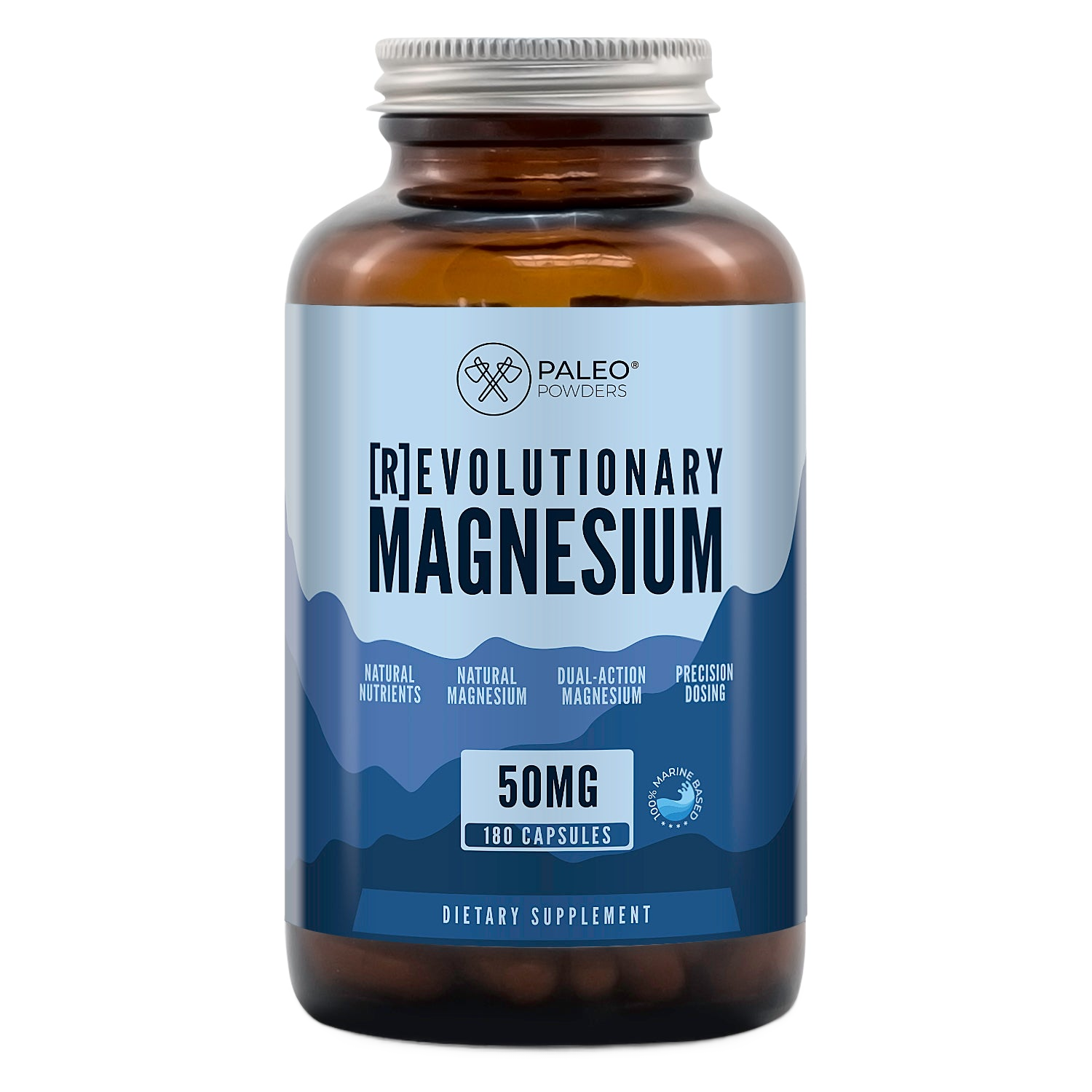
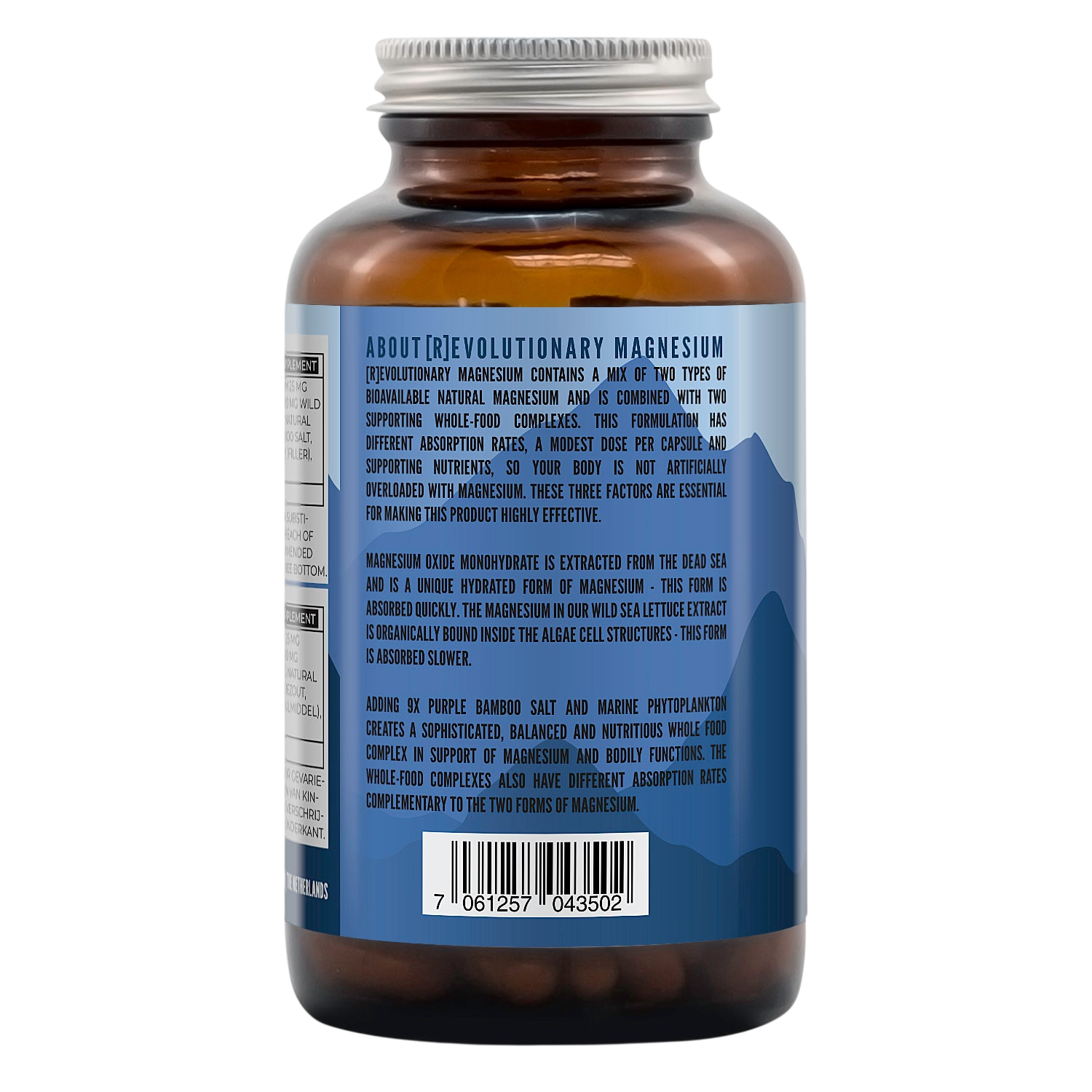
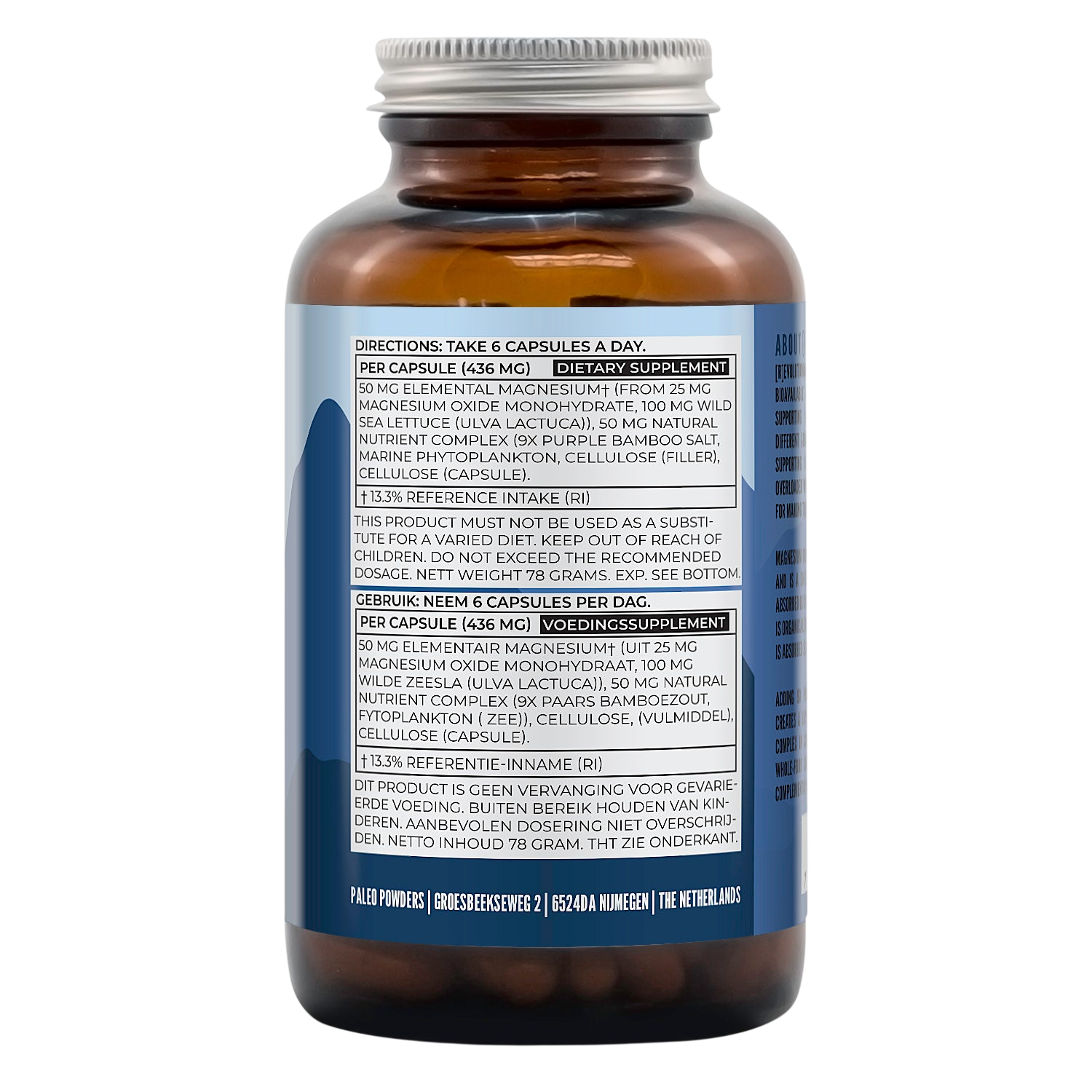
Magnesium - 100% Natural

Read more

Ultra-processed foods: New insights into the effects
At the end of November 2025, the authoritative medical journal The Lancet published an extensive and widely discussed article entitled “Ultra-processed foods and human health: the main thesis and t...
Read more
Science Update: The Keto Diet and Brain Health
As many people know, the ketogenic diet is an eating pattern very low in carbohydrates, moderate in protein, and high in fat. This composition forces the body to produce energy in a different way....
Read more