

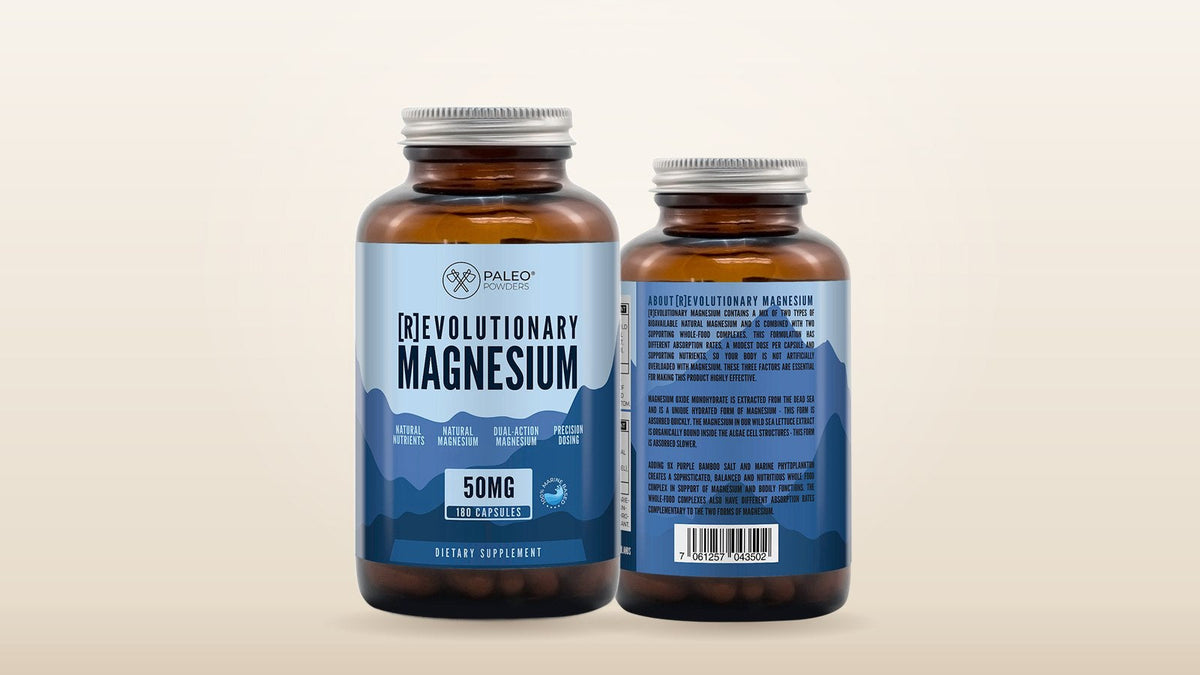
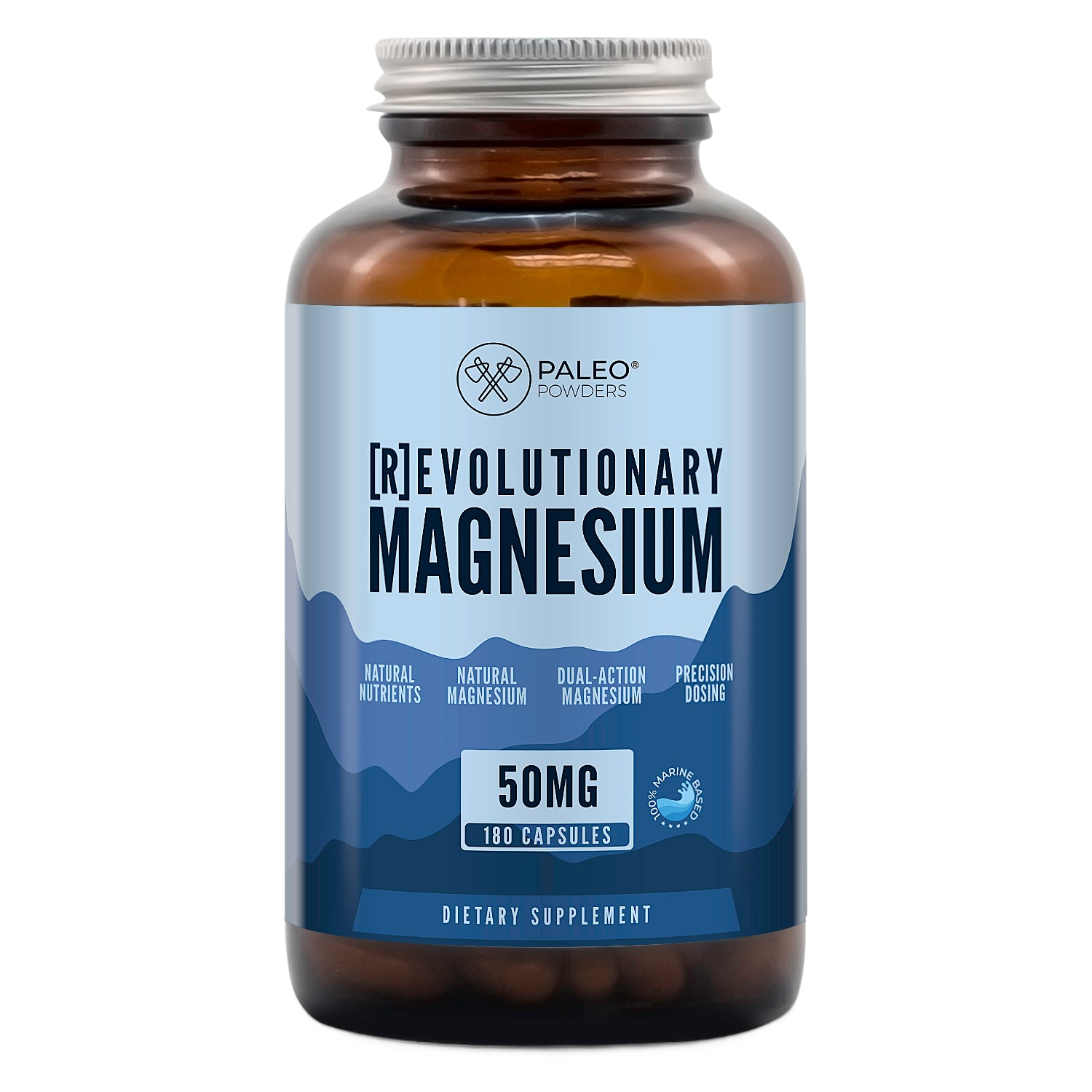
Magnesium - 100% Natural
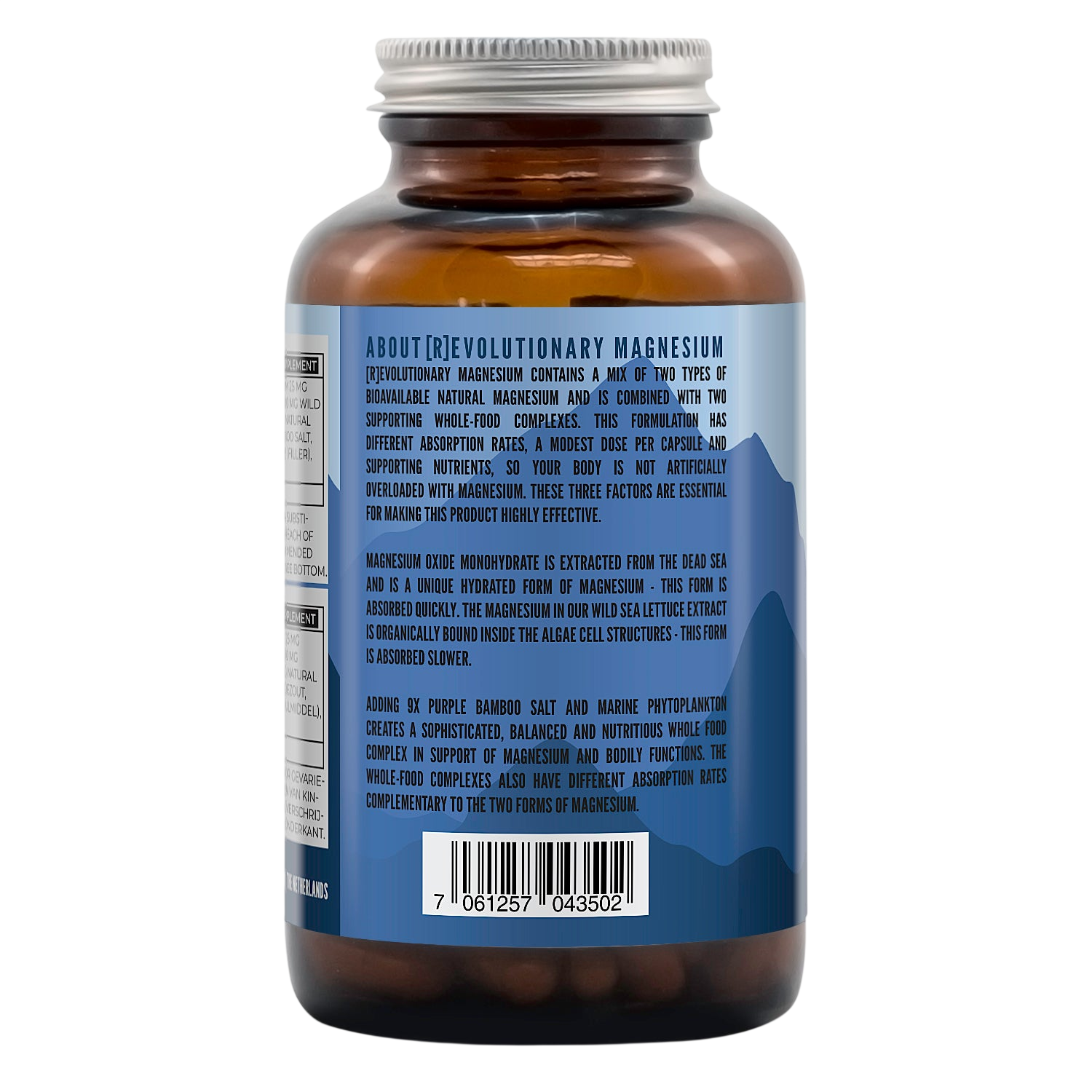
Magnesium Oxide Monohydrate is a pure and natural form of magnesium extracted from the Dead Sea. Compared with most commonly available forms of magnesium, this form is known for its particularly good absorption.
The absorption of Magnesium Oxide Monohydrate
Although ordinary magnesium oxide does not always have a good reputation, Magnesium Oxide Monohydrate is in a completely different category. This special form of magnesium oxide contains a water molecule as part of its molecular structure. That matters, because magnesium is a hydrophilic element: it needs sufficient water in its surroundings. By including an H2O (water) molecule, this factor is built in at the molecular level, which considerably increases the bioavailability of Magnesium Oxide Monohydrate.
Unique properties
Most magnesium supplements are clearly not very unique in their composition and ingredients. At Paleo Powders we do things differently. We combine two natural, complementary forms of magnesium with two natural multi-nutrient complexes that contain supporting nutritional factors. This is how we offer a unique magnesium supplement.
So if you are looking for a good, natural magnesium supplement that stands out from standard products, look no further. The magnesium capsules from Paleo Powders contain high-quality ingredients and a well-thought-out formula designed for good absorption of this important mineral. Order now and try this unique magnesium formula for yourself!
Benefits of natural magnesium from Paleo Powders
- Contains Magnesium Oxide Monohydrate, a natural form of magnesium extracted from the Dead Sea, which is absorbed quickly
- Contains natural magnesium from wild sea lettuce (Ulva lactuca), a bioavailable form of magnesium that is absorbed slowly by the body
- Combines two bioavailable, natural forms of magnesium
- Contains a phytoplankton complex and traditional Korean bamboo salt (9x purple bamboo salt), which provide accompanying nutrients
- Formulated in precision-dosed capsules, so you always get the right dose
- Purely formulated without fillers, fragrances or flavourings, and GMO-free, for a 100% natural origin
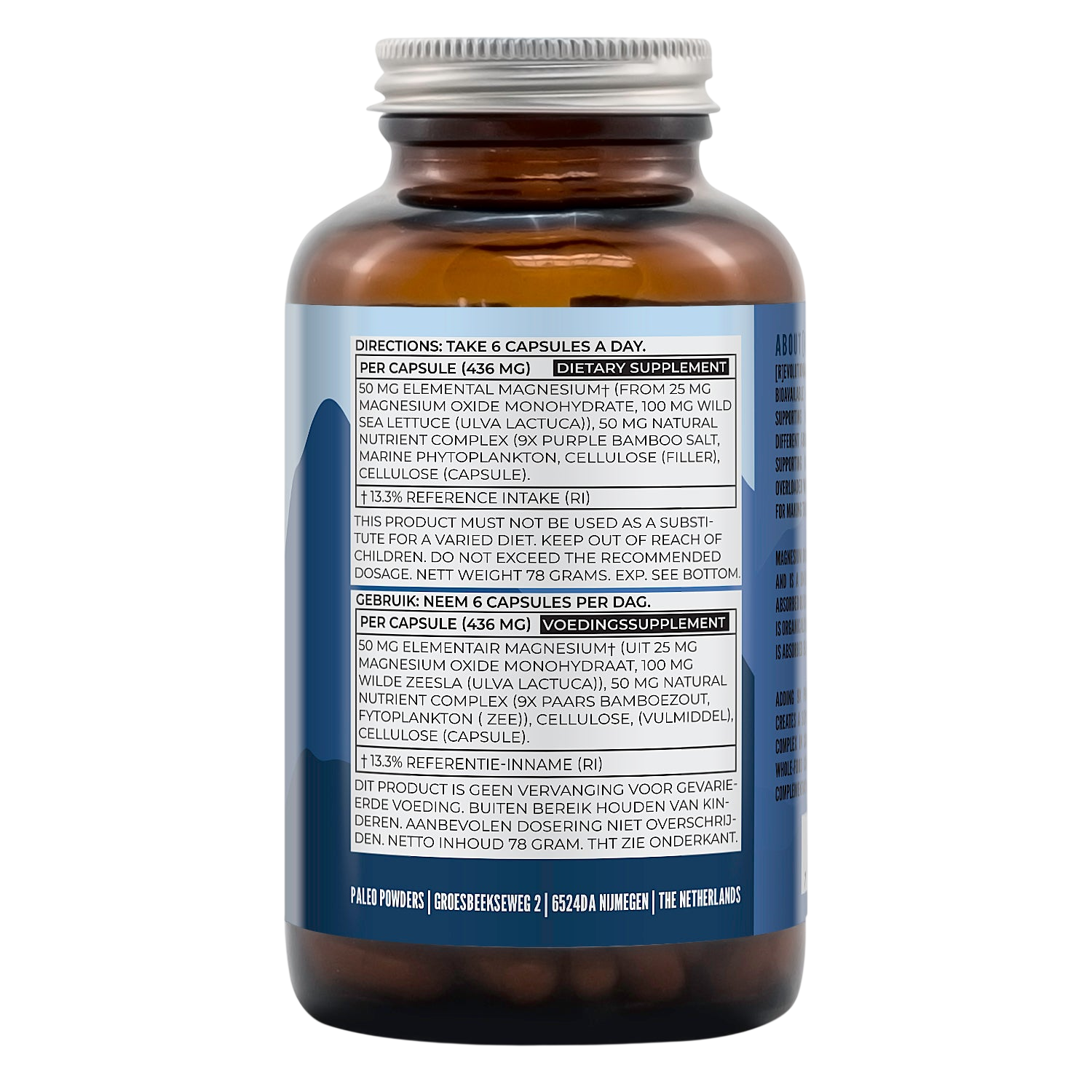
- Contains 50 mg of well-absorbed magnesium per capsule
The role of magnesium in human biochemistry and health
Magnesium is an essential mineral that plays an important role in human biochemistry. It is involved in the activity of a great many enzymes. Even so, magnesium is perhaps the least understood and least appreciated mineral. Modern life, the type of diet and the way food is processed are examples of factors that play a role if you are considering magnesium as a food supplement. [R]evolutionary magnesium from Paleo Powders provides natural magnesium with an evolutionary approach in a revolutionary, nutrient-rich formula.
To get the most out of a magnesium supplement, it is important that its maker really knows the subject. There are many misconceptions about magnesium that come from ignoring important factors, such as the type of magnesium used, absorption profiles and the balance with other minerals. That is why we don't believe the standard approach of 100 to 400 mg of magnesium chelate in one capsule, tablet or dose is the best one. An optimal product requires deeper knowledge that goes beyond the current standard. In the end, nature knows best!
Daily magnesium intake and food sources
- A good guideline for the daily magnesium intake of adults is between 320 mg and 420 mg per day (13–17 mmol/day). This corresponds to an intake of 3.6 mg of magnesium per kilo of body weight per day to maintain the magnesium balance under normal physiological conditions.
- Foods that are high in magnesium do not provide a particularly high percentage of the recommended daily amount. Think, for example, of leafy greens (78 mg/serving), nuts (80 mg/serving), chicken (41 mg/serving) and Atlantic mackerel (82 mg/serving).
- In addition, many fruits and vegetables have lost large amounts of minerals and nutrients over the past 100 years.
- Cooking vegetables can cause an additional loss of up to 80% of their magnesium content. Magnesium in drinking water accounts for about 10% of daily intake.
- However, the increased use of softened/purified tap water has seriously reduced water as a source of magnesium.
Once absorbed, magnesium is distributed throughout the body for use and storage. From the blood, magnesium finds its way to muscle tissue (27%) and bone (53%), as well as to a variety of other tissues (19%). No less than 99% of the magnesium is found inside the cells and only 1% in the extracellular space. So almost every cell uses magnesium.
Magnesium in the blood and in the tissues is constantly being exchanged. The kidneys can filter up to 2,400 mg of magnesium a day and excrete between 5% and 70% of it, depending on several variables such as stress, performance and general health.
Only 0.8% of magnesium is found in the blood: 0.3% in serum and 0.5% in red blood cells. Up to a third of the magnesium stored in bones is exchangeable with magnesium in the blood. Although the total amount of magnesium stored in bones can change with age, bone remains the main site of stored and exchangeable magnesium.
Did you know?
- Magnesium can bind to more than 3,751 proteins that are involved in thousands of enzyme systems. That is far more than the figure of "300" often quoted in online sources.
- Drinking-water treatment and food processing reduce the naturally occurring magnesium in our diet. Meanwhile, the modern lifestyle makes our body use up the magnesium we have more quickly.
- Magnesium is the fourth most abundant mineral in the body, after calcium, potassium and sodium.
- Magnesium cations are the second most abundant mineral in the cell. Magnesium contributes to electrolyte balance.
- Mitochondria concentrate magnesium ions.
- Magnesium contributes to normal energy-yielding metabolism.
- Magnesium contributes to normal protein synthesis and has a role in the process of cell division.
- At a concentration of 0.13 percent, magnesium is the third most abundant mineral in seawater; the human body contains about 4–6 teaspoons of magnesium.
Magnesium Oxide Monohydrate: a hydrated form of magnesium
As mentioned above, Magnesium Oxide Monohydrate is a natural form of magnesium extracted from the Dead Sea. Because it contains a water molecule, it is a hydrated form of magnesium. This form is known for its particularly good absorption compared with most commonly available forms of magnesium.
Good absorption of Magnesium Monohydrate
Ordinary magnesium oxide doesn't have a great reputation, but this monohydrate form is not the same, because it contains an extra water molecule! Magnesium is a hydrophilic element, which means it needs sufficient water in its surroundings. By adding an H2O (water) molecule, this factor is built in at the molecular level! Thanks to its high dissolution rate and good absorption, its bioavailability is very high.
Whole-food magnesium: wild sea lettuce
Wild sea lettuce (Ulva lactuca) magnesium is a natural source of magnesium, but it differs from Magnesium Oxide Monohydrate. This whole-food magnesium complex, with the natural magnesium organically bound in the algae's cell structures, provides not only a high natural concentration of magnesium but also the whole essence of the plant with its accompanying substances.
The essence of sea lettuce: natural nutrition
The wild sea lettuce is harvested organically and sustainably off the coasts of France and Argentina. The essence of this seaweed is fully preserved because it is processed in a gentle, carefully designed way – so that it can nourish your body in the best possible way.
By supplying natural magnesium in an evolutionary whole-food form, the body is not overwhelmed by a high dose of magnesium. The body processes magnesium from food sources in a different way. From our (r)evolutionary perspective, that makes it a superior choice.
Difference in absorption
Magnesium oxide monohydrate and wild sea lettuce magnesium are two highly bioavailable forms of magnesium, but they have different absorption rates. Magnesium oxide monohydrate is absorbed very quickly, while magnesium from wild sea lettuce is absorbed more slowly. This is because the magnesium first has to be released from the plant structures.
It is worth knowing that, unlike other minerals, magnesium can be absorbed along the entire length of the gastrointestinal tract. By using this physiological advantage with a two-step approach, magnesium absorption is optimised, because not all of the magnesium is absorbed at the same rate.
The role of marine phytoplankton as a food source
Over its long evolutionary history, marine phytoplankton has shaped life on earth. Phytoplankton is estimated to account for more than 45% of the earth's net primary photosynthetic production. Phytoplankton is therefore the foundation of ocean food webs and has an enormous impact on the entire global biosystem.
Phytoplankton are not ocean plants but single-celled aquatic organisms found in both salt and fresh water. The history of plankton goes back more than 3 billion years and it is the basis of all life on earth. How paleo do you want it! These microorganisms were responsible for creating the earth's atmosphere and for the blossoming of the first life forms.
Phytoplankton is an incredible matrix of nutrients that contains not only a broad spectrum of (trace) minerals, but also phospholipid omega-3s, all essential amino acids, vitamins, antioxidants, special fatty acids, phospholipids and more.
The marine phytoplankton (Nannochloropsis gaditana) we use is 100% produced in the Netherlands, at an unspoilt location on the shores of the largest protected nature area in the Netherlands. The phytoplankton is grown in ancient seawater (130,000 years old) from deep below the surface, which is free of contaminants and heavy metals.
The use of Korean bamboo salt
The Korean bamboo salt we use is produced entirely by hand in the traditional way, without any mass-production techniques. It takes more than 3 years to make purple bamboo salt, each time following a meticulous and special protocol. The sea salt is dried in the sun, packed into bamboo that is at least 3 years old and sealed with mineral-rich clay. The bamboo "pots" are then placed in a pinewood kiln, where the salt melts into lava at 2,500°C. All these steps are repeated 9 times. The salt "lava" formed at these high temperatures creates smaller molecules, and the process also removes unwanted elements. Together with the high temperatures, activated carbon and sulphur from the bamboo turn the salt purple.
Bamboo salt has a long tradition in Korea and other Asian countries. Bamboo salt contains more than 70 minerals, trace elements and micronutrients.
Small molecules
Bamboo salt is concentrated and, according to its producers, has a very small molecular size of only 1/100th of that of ordinary salt molecules (300–600 ångström).
The alchemy of bamboo salt
The unique alchemy that takes place during melting also changes the structure of the molecules. The energy of bamboo, pine, pure red clay and fire is absorbed into the salt.
Bamboo salt contains more OH groups than other salts, which gives it a higher reduction potential. In terms of redox potential amperometry (number of ions), the reduction peak of bamboo salt is about three times broader than that of solar sea salt. Bamboo salt has alkaline properties. So a little goes a long way!
Mineral balance
Bamboo salt is a unique natural multi-mineral complex thanks to its broad-spectrum macro- and micromineral content. 9X Purple Bamboo Salt is a very different product from regular sea salt – not only because of its small molecular size and structure, but also because its (trace) mineral content has changed, for example with higher concentrations of zinc, potassium and manganese.
The body is a system of systems, and nothing in the body works on its own. That is why we don't think taking high doses of magnesium alone makes sense – it is potentially even unwise. Our macrominerals and trace elements simply need to be in balance, and when taking food supplements it is important to maintain this balance in the body. Nature provides this balance by definition. For this reason, marine phytoplankton and 9X purple bamboo salt are valuable additions to our two natural forms of magnesium.
Ionomics and minerals
The importance of mineral balance has long been known, and it is being confirmed again by the new multidisciplinary science of ionomics: the study of the complete set of mineral nutrients and trace elements in an organism. It uses advanced techniques to investigate the composition and distribution of all minerals and trace elements in a living organism, and how they vary under different physiological and pathological conditions. It also studies the molecular mechanisms underlying the metabolism, homeostasis and interaction of these elements. The totality of all mineral nutrients and trace elements present in an organism is called the ionome.
Unique multi-mineral complex
We have applied this knowledge in our formula, with hundreds of additional nutrients from natural sources, including many special ones, and of course a broad spectrum of (trace) minerals that accompany and balance magnesium. Just as with our dual-step magnesium absorption, we have applied this principle to the nutrient complexes as well: the 9X bamboo salt is absorbed faster, and the marine phytoplankton more slowly, because its nutrients first have to be released from the phytoplankton cells.
Bamboo salt and marine phytoplankton synergy
By combining two different natural forms of magnesium with complementary absorption rates, and adding a fascinating mix of nutrients, we have formulated a super magnesium product. It is suitable for people looking for a higher dose, as well as for people who want to give their daily diet that little bit extra.
Low dose of magnesium per capsule
Because minerals are better absorbed in smaller doses taken throughout the day, and so as not to overwhelm the body's systems or molecular pathways that use magnesium (think of the mitochondria), we don't use the high amounts of magnesium per capsule that are often used elsewhere.
We have chosen a lower dose of 50 mg of elemental magnesium per capsule. This makes it easier to spread your magnesium intake throughout the day and to get the most out of this product. If dosing throughout the day is impractical or impossible, you can simply take two or three capsules at once. The lower dose and the smaller capsule size also make this product more suitable for people with a smaller build and for children.


Read more
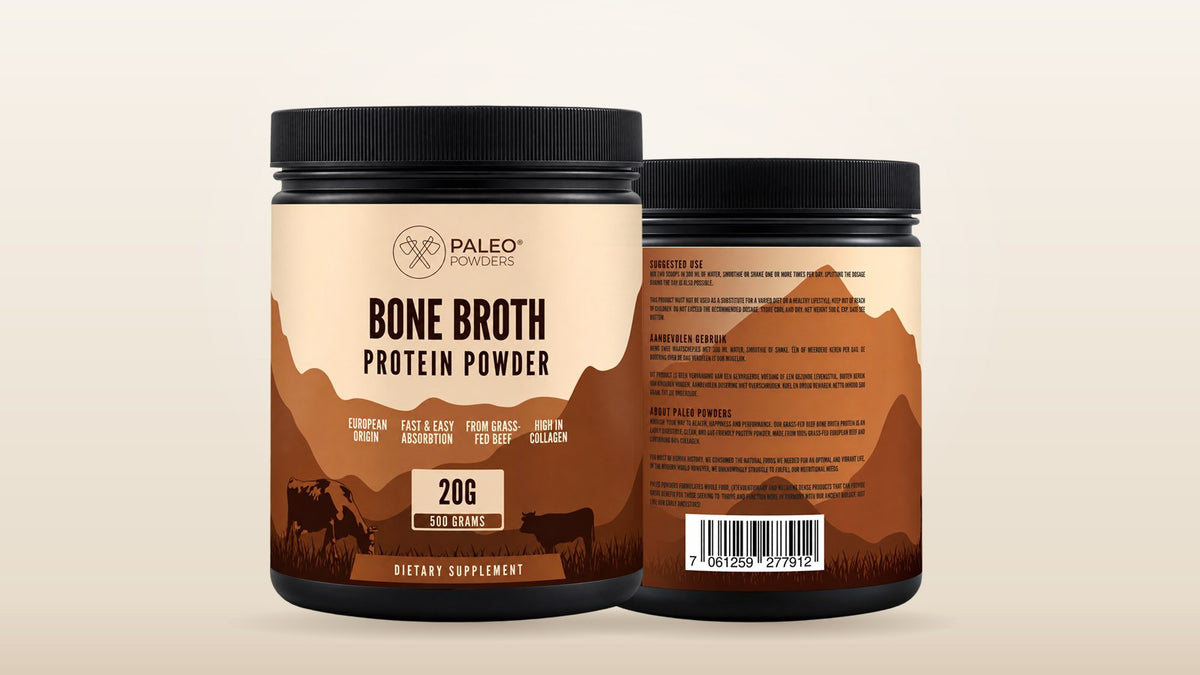
Bone broth is a traditional and age-old soup made by boiling animal bones in water. Our bone broth powder is made exclusively from beef bones, sourced from European grass-fed cows that are rich in ...
Read moreBone broth is a traditional and age-old soup made by boiling animal bones in water. Our bone broth powder is made exclusively from beef bones, sourced from European grass-fed cows that are rich in ...
Read more