



Bone Broth and Gut Health: New Study
For eons, bone broth has been included in the human diet as a source of warmth, flavor, and nourishment with a healing effect. Its healing powers have been recognized traditionally through the use of soups for ailments, and bone broth has been trending in health and wellness circles for decades. Bone broth is packed with essential amino acids (glutamine, glycine, proline, arginine, and histidine) as well as minerals like calcium, phosphorus, potassium, magnesium, and zinc.
With an eye on these compounds, it has been an often-heard claim that bone broth can support digestion and reduce inflammation. However, until recently, bone broth's fame has been attributed more to oral tradition than scientific evidence. A 2025 scientific review published in Digestive Diseases and Sciences investigated effects on gut health, particularly in terms of the intestinal barrier's integrity and inflammation seen in common conditions like inflammatory bowel disease (IBD).
Understanding the Gut Barrier
An important factor in the bone broth matter is the intestinal barrier system which, contrary to a common belief, does more than just one simple function of digestion. The gut is a highly sophisticated, multilayered defense system. One of its layers, the mucus, separates most bacteria from the gut. The next layer, comprising epithelial cells, controls which substances can go through selectively. Tight junctions connect the epithelial cells and regulate the passage of materials into the bloodstream. The immune tissue underneath the epithelial layer is activated when potential threats are detected.
The whole system allows the gut to absorb nutrients while preventing the entry of potentially harmful substances. If the system gets damaged, the gut lining becomes “leaky.” This condition has been linked to chronic inflammation and a variety of disorders such as inflammatory bowel disease, irritable bowel syndrome, metabolic syndrome, and some autoimmune diseases.
The 2025 review takes a deep dive into the ingredients of bone broth and presents the effects of these ingredients as shown in animal models, cellular cultures, and a few human trials. Bone broth contains large amounts of particular amino acids and minerals that are essential for retaining the gut structure and modulating inflammation.
Glutamine: Fuel for Gut Cells
Glutamine is the most abundant amino acid in bone broth and it is also the main source of energy for the gut cells. Several investigations have demonstrated that glutamine enhances the gut barrier repair and its continued existence in cases of stress or inflammation.
Animal experiments indicate that glutamine treatment leads to a decrease in the production of inflammatory molecules and also the level of oxidative stress in the colon in animal models of colitis. Glutamine therapy in humans has been proven to not only decrease intestinal permeability but also lessen the occurrence of symptoms in individuals suffering from post-infectious irritable bowel syndrome with diarrhea. Moreover, glutamine may play a role in wound healing after surgery-related inflammatory problems in the intestines, such as pouchitis.
Not all reports reveal significant benefits following small doses of glutamine, whereas higher doses given for a short time appear to be more potent in terms of strengthening the barrier. Therefore, consumption of glutamine-containing food like bone broth can contribute to the maintenance of gut integrity and help it withstand inflammation-triggered damage.
Glycine: The Calmer of Inflammation and Oxidative Stress
Bone broth is likewise known to contain an amino acid called glycine which plays a major role in anti-inflammatory and antioxidant mechanisms that may have a protective effect on the gut lining. Laboratory and animal studies have demonstrated that glycine helps to stabilize tight junction proteins, diminish oxidative damage, and limit immune overreaction to the intestinal tissue.
Essentially, glycine seems to play a structural role in the gut when it is subjected to different kinds of stress such as heat stress in animal models or inflammatory challenges. This immune-system-soothing effect can be one of the ways through which barrier stability is maintained.
Proline and Collagen-Derived Compounds
Proline is a principal component of collagen, which is a structural protein predominantly found in connective tissue and thus in bone broth. When collagen is digested, it gives rise to compounds like hydroxyproline that seem to be involved in tissue repair.
Research shows that these collagen-derived molecules could stimulate mucus production, enhance antioxidant defenses, and result in a more beneficial profile of gut bacteria. Giving hydroxyproline to mice with colitis led to less inflammation and tissue damage and better gut integrity.
Arginine: Facilitating Repair and Immune Balance
Arginine is connected to the production of nitric oxide (NO), a key player in blood circulation, immune signaling, and tissue repair. A study demonstrated that the supply of arginine might be limited during phases of active intestinal inflammation, especially in cases of ulcerative colitis.
Experiments on animals and cells establish that supplementation of arginine can lead to increased survival, diminished inflammatory markers, and improved epithelial healing in colitis models.
Histidine: A Powerful Anti-Inflammatory Amino Acid That Is Usually Overlooked
With reference to regular Western diets, histidine is rarely mentioned. Experimental evidence reveals that it has significant anti-inflammatory properties. Laboratory experiments suggest that histidine decreases inflammatory cytokines and limits colon damage, as shown in colitis models. Observational data further indicate that there may be a connection between low histidine levels and disease relapse in patients with ulcerative colitis.
Also good to know, the intake of histidine has not been found to be detrimental to gut health.
The Role of Minerals
Bone broth also contains minerals like calcium, phosphorus, potassium, magnesium, and zinc. The amounts might be small, but these minerals contribute to the functions of the gut barrier and immune balance.
Zinc is a prominent one. Most inflammatory diseases of the bowel have a zinc component, as deficiency has been associated with loose junctions, greater permeability, and diarrhea. Studies on animals demonstrate that in cases of deficiency, zinc supplementation improves barrier integrity and suppresses inflammation.
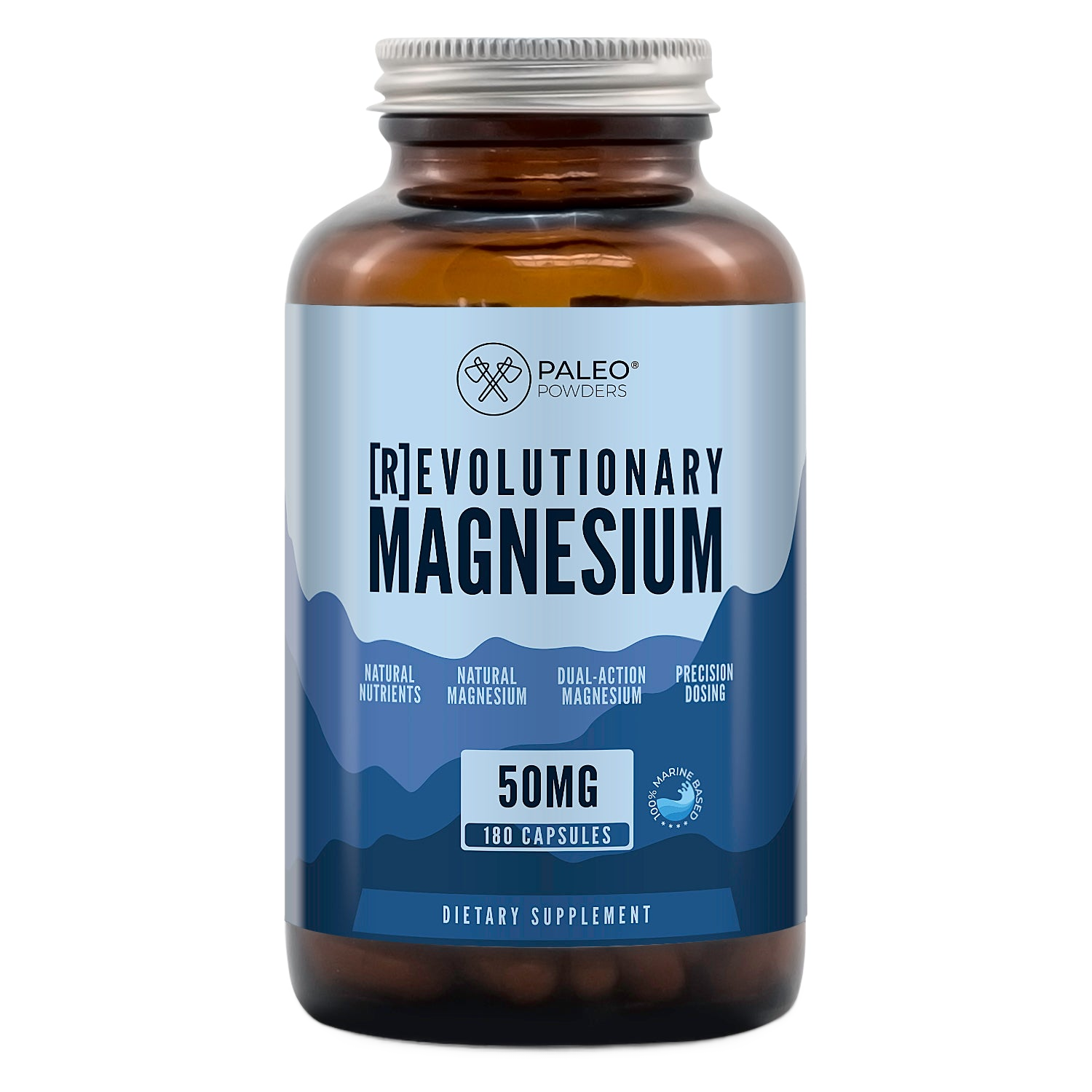
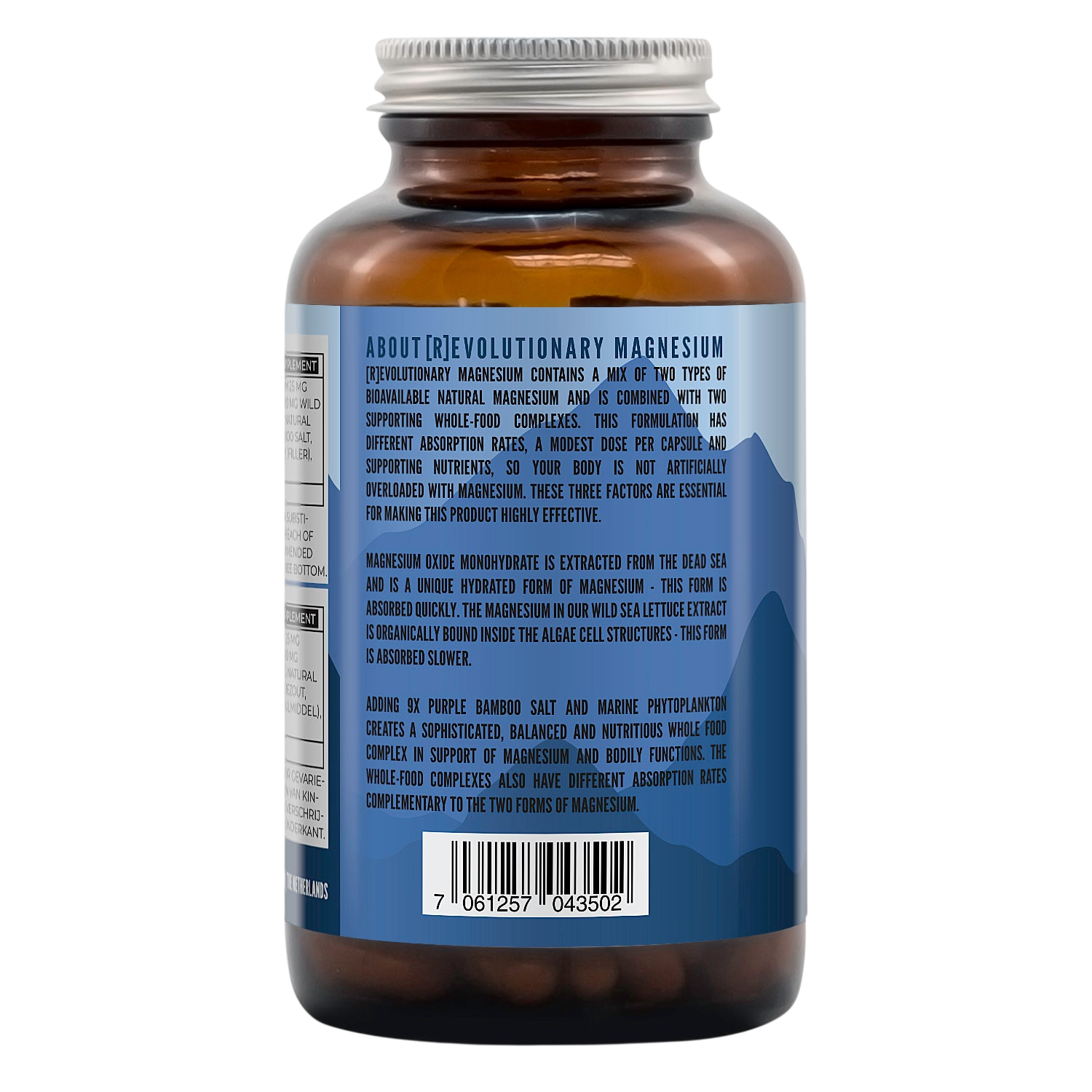
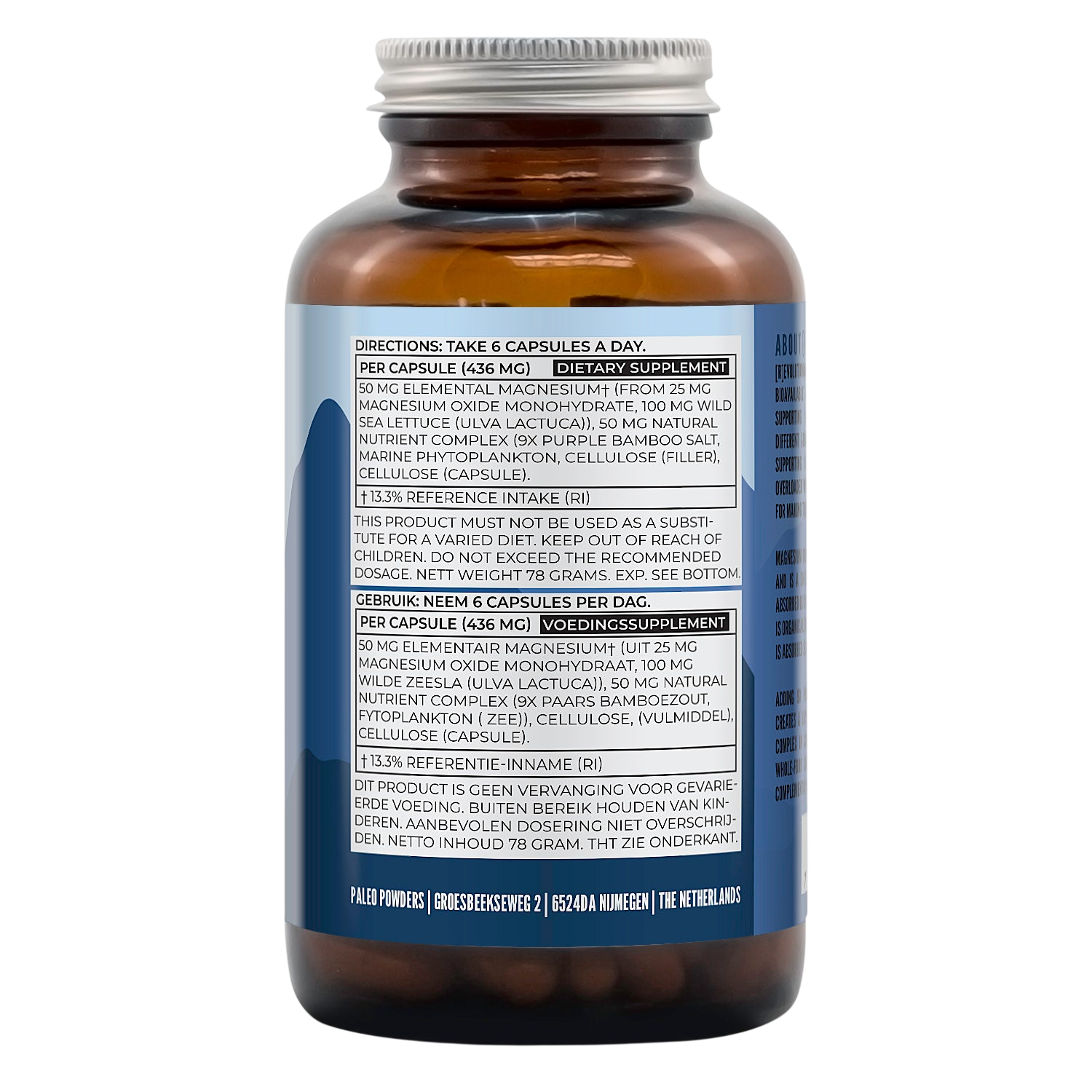
Magnesium deficiency is also one of the factors causing excessive intestinal inflammation and oxidative stress in mice and rats. Magnesium supplementation thus has the potential to enhance microbial diversity and reduce inflammatory signaling. The evidence in humans, however, requires further research.
Down to the Bare Bones
Long story short, the results of the review indicate that bone broth is more than nostalgia. Its amino acids and mineral spectrum have been shown to maintain intestinal barrier integrity and control inflammation across a variety of mechanisms. For people with sensitive digestion and those who suffer from inflammation-related conditions, bone broth—being a gentle, complex, and highly nutritious food—may be a sound option to include regularly as an adjunct, not a substitute, for medical treatment. An alternative is taking a quality bone broth supplement.
Scientists are still learning. The 2025 review calls for better-designed human clinical trials to delineate the proper parameters for getting the most out of bone broth. One aspect is purity and metal toxicity: simmering bones can leach lead, for instance. When choosing supplements, look for products fully compliant with EU regulations.
Reference
Matar, A., Abdelnaem, N., & Camilleri, M. (2025). Bone broth benefits: How its nutrients fortify gut barrier in health and disease. Digestive Diseases and Sciences, 70, 1951–1961. DOI: 10.1007/s10620-025-08997-x
Magnesium - 100% Natural

Read more

Science Update: The Keto Diet and Brain Health
As many people know, the ketogenic diet is an eating pattern very low in carbohydrates, moderate in protein, and high in fat. This composition forces the body to produce energy in a different way....
Read more
A new phase and redesign for Paleo Powders
Paleo Powders is entering a new phase. In this video, I take you through what we have changed, why we made those changes, and what you can expect from us in the coming period. It’s not just about a...
Read more