



Cholesterol and saturated fat: not a black-and-white story
For years, the story was simple. Saturated fat was bad. Cholesterol was dangerous. Butter was replaced with margarine, whole milk with low-fat variants, and eggs disappeared from many people’s daily menu. The idea behind this came from the so-called diet-heart hypothesis: saturated fat raises LDL cholesterol, and higher LDL would directly lead to more cardiovascular disease.
But science does not stand still. In the past fifteen years, this theory has been extensively re-examined. Some conclusions appear less solid than once thought. Other insights have been confirmed. The real story is more nuanced than “good” or “bad.”
What do recent meta-analyses say?
Large systematic reviews and meta-analyses of randomized intervention studies (the strongest form of nutrition research) show that reducing saturated fat alone has no very clear effect on overall mortality. For death from cardiovascular disease, small risk reductions are sometimes found when saturated fat is specifically replaced with polyunsaturated fats, although these effects are sometimes modest. Heart health is by nature a multifactorial issue.
Important detail: what replaces saturated fat? When people eat less saturated fat but replace it with refined carbohydrates such as white flour and sugar, cardiovascular risk does not improve. In some studies, markers such as triglycerides even worsen.
Recent reviews therefore emphasize that the overall dietary pattern is more important than a single nutrient. The evidence that saturated fat alone is the cause of cardiovascular disease is less strong than decades ago. At the same time, it is not the case that any amount is automatically neutral. Context matters.
The ancestral perspective
Looking at human evolution, saturated fat is not new to our diet. Hunter-gatherers ate animal fat, organ meats, and bone marrow. In tropical regions, coconut and palm fruits were important fat sources. Industrial seed oils and ultra-processed products did not exist.
Many traditionally living populations had low levels of obesity, type 2 diabetes, and heart disease. Yet we must be cautious with simple conclusions. Their lifestyle differed fundamentally from ours: more physical activity, less chronic stress, no fast food, and hardly any refined sugars. It is likely that the absence of lifestyle diseases was the result of the whole picture, not one nutrient.
What is well established is the harmfulness of industrial trans fats. Large international studies have convincingly shown that trans fats increase the risk of cardiovascular disease. This insight has led to legal restrictions worldwide. The sharp rise in heart disease in the twentieth century coincided with an increase in trans fats, ultra-processed foods, and sugar consumption. This link is more robustly documented than the link between natural saturated fats and heart disease.
What about cholesterol from food?
Cholesterol from food also has a checkered history. Eggs were debated for years. By now, we know that the body produces cholesterol itself and usually adjusts production based on dietary intake. In most people, extra dietary cholesterol leads to only a limited increase in blood cholesterol.
In 2015, the US Dietary Guidelines removed the fixed upper limit for cholesterol intake because there was insufficient evidence that dietary cholesterol directly leads to more cardiovascular disease in the general population. This does not mean blood cholesterol is unimportant. Elevated LDL cholesterol remains an important risk factor for atherosclerosis. The difference lies in the nuance: dietary cholesterol does not translate one-to-one into dangerously high LDL levels for most people.
Large cohort studies show that moderate egg consumption in healthy people is usually not associated with an increased risk of heart disease. In people with diabetes or existing cardiovascular disease, results are less consistent, suggesting that individual sensitivity plays a role.
Quality over quantity
Modern nutrition science is increasingly shifting from isolated nutrients to dietary patterns. Diets rich in vegetables, fruits, legumes, nuts, fish, and minimally processed foods are consistently associated with lower cardiovascular risk. Within such a pattern, moderate intake of saturated fat seems less problematic than in a diet full of fast food, sugary drinks, and ultra-processed snacks.
More attention is also being given to insulin resistance, chronic low-grade inflammation, and lipoprotein composition. Excessive intake of refined carbohydrates and highly processed foods contributes demonstrably to unfavorable metabolic changes, including elevated triglycerides and decreased HDL.
This does not mean saturated fat is unlimitedly healthy, but demonizing a single nutrient does not do justice to the complexity of the human body.
Traditional fat sources in perspective
What is well established, as noted, is that replacing industrial trans fats with natural fats, including bone marrow, provides population-level health benefits. Natural, unprocessed fat sources fit better within a healthy dietary pattern than heavily processed alternatives.
Traditionally used bone marrow (from bone broth or capsules) consists largely of fats, but is supplemented with smaller amounts of proteins, micronutrients, and structural compounds. The fat fraction reflects a natural combination of saturated and unsaturated fatty acids such as palmitic acid and stearic acid, which serve as an energy source and building blocks for cell membranes and signaling molecules. Additionally, bone marrow provides fat-soluble vitamins and trace elements involved in basic processes such as enzyme activity, redox reactions, and regulation of cellular metabolism. It also contains amino acids and collagen-related components such as glycine, which play a role in protein structure, nitrogen balance, and various biochemical pathways in the body.
The net effect of regular bone marrow use will therefore depend on a person’s overall diet, lifestyle, and individual health status. Within a diet focusing on unprocessed, whole foods, it can be an excellent fat source.
The big picture
The debate about saturated fat and cholesterol is no longer black-and-white. The evidence that saturated fat alone is the main cause of cardiovascular disease is less convincing than previously thought. At the same time, elevated LDL cholesterol in the blood remains an important risk factor, and replacement with unsaturated fats is beneficial in many cases.
The key message from recent research is clear: look at the overall picture. Avoid trans fats and highly processed foods. Limit refined sugars. Choose real, unprocessed foods. In this context, saturated fat does not automatically need to be seen as the enemy, but fits well within a balanced and thoughtful diet.
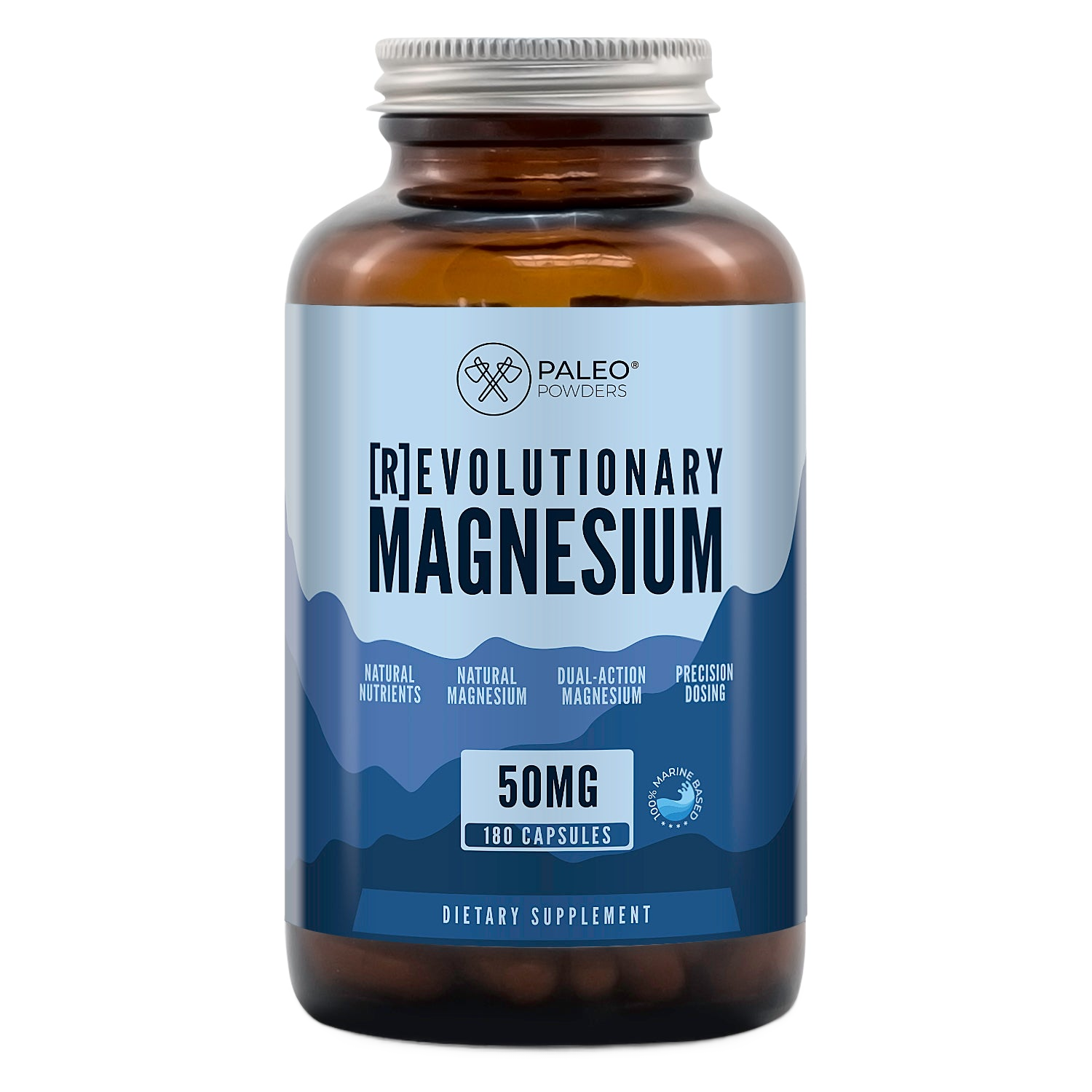
Magnesium - 100% Natural



Read more

More robust immunity through ancestral eating
A healthy immune mechanism does not arise by itself. It develops through constant interaction between digestion, diet, and the body’s own immune system. Scientific research into micro-organisms and...
Read more
Many people recognize it: a bloated stomach after eating, irregular bowel movements, reflux, or the feeling that certain foods suddenly no longer agree with them. For a long time, these complaints ...
Read more