



More robust immunity through ancestral eating
A healthy immune mechanism does not arise by itself. It develops through constant interaction between digestion, diet, and the body’s own immune system. Scientific research into micro-organisms and immune responses shows that traditional eating habits were often smarter than previously thought: what you eat influences how your immune system reacts, partly thanks to vitamins, minerals, and natural compounds found in raw or minimally processed foods. Research into evolutionarily inspired dietary patterns helps to better understand this connection between the gastrointestinal tract and the immune system.
Gut and immunity: the central hub
More than two-thirds of all our immune cells reside in or near the abdominal organs. In addition, a large amount of lymphatic tissue is located in the intestinal wall, along with cells specialized in recognizing danger. While this barrier allows vitamins and sugars to pass through, it keeps harmful invaders out. Between these functions, bacterial diversity plays a key role. What grows there and in what quantity influences how strong the defense is.
Nutrition plays a major role in this. Bacteria in the gut ferment fibers from tubers, vegetables, fruits, and traditional grains into short-chain fatty acids. One example is butyrate. This substance helps maintain a strong intestinal lining and also regulates how immune cells respond.
A study from Stanford showed that regularly eating fermented products (such as yogurt or sauerkraut) for ten weeks increased the diversity of gut bacteria. Additionally, several markers in the blood indicating inflammation decreased. When more and more diverse species of micro-organisms live in the intestines, the immune system generally responds more steadily and quickly.
All over the world, fermentation has played a central role in nutrition for centuries. In Europe, sauerkraut was eaten, while kimchi became popular on the Korean peninsula. In Japan, miso and natto were common. Ethiopia has injera bread as a staple food. Fermented cassava is used in many African dishes. The Caucasus region traditionally consumed raw kefir. Through these products, people regularly consumed living micro-organisms. Organic acids are formed during fermentation, as well as bioactive compounds that can alter the gut flora.
Micronutrients and traditional nutrition
Traditional diets are known for their rich nutrient content. Herbs contribute to resistance, as shellfish naturally do. Organ meats provide concentrations of vitamins not found in processed meat. Proteins from eggs support bodily processes in ways that are often underestimated. Beef broth contains a variety of substances associated with immunity.
Vitamin A
In the respiratory tract and intestines, vitamin A ensures strong mucous membranes. This protective layer keeps harmful microbes out of the body. A large amount of retinol is absorbed from egg yolks or liver. Among everyday foods, liver contains by far the highest amount of this vitamin. When blood levels remain stable, immune cells respond more adequately to invaders. Antibodies are then produced more efficiently by the immune system.
Vitamin D
Through its function as a pre-hormone, vitamin D influences both the innate and adaptive immune systems. Receptors for this substance are present on many immune cells. Everyday sources once included cod liver oil, fish liver, and fatty fish. Research repeatedly shows an association between low vitamin D levels in the blood and a higher risk of respiratory infections.
Zinc
Zinc supports the growth and function of white blood cells. In the body, this trace element assists in cell division and is involved in cellular communication. It also influences how quickly certain proteins can perform their tasks. Oysters contain by far the highest levels of zinc among foods. Beef liver and kidneys are also excellent sources. When dietary intake is insufficient, the immune system often responds more slowly.
Iron, selenium and copper
Dishes such as liver and shellfish are excellent sources of iron, selenium, and copper. These minerals play crucial roles; selenium, for example, works together with protective proteins against cellular stress caused by pathogens. While iron is needed to transport oxygen, an imbalance can disrupt immunity. When an infection occurs, the body automatically adjusts how much iron is released. This adjustment (“hypoferremia of inflammation”, “nutritional immunity”) occurs through built-in systems that prevent bacteria from benefiting from excess minerals.
Omega 3 fatty acids
Seafoods such as fatty fish, mussels, and oysters contain EPA and DHA. These fatty acids play a key role in the production of substances that actively resolve inflammation.
Ancestral foods with immune relevance
Some examples of products that receive strong interest from immunologists are the following.
Bone broth contains sugar-like proteins that help restore the stomach lining. Building blocks such as glycine have proven essential for strong tendons. Proline plays a role in the formation of skin and cartilage. During long cooking times, these compounds are released from bone material. Moreover, this type of broth supports digestion. Importantly, these substances collectively strengthen the intestinal lining.
Kefir or yogurt: fermented dairy products contain active bacteria. Living cultures are crucial.
Pickled and fermented vegetables such as sauerkraut, kimchi, and pickles.
Berries contain many compounds that interact with gut bacteria.
Garlic and onions contain sulfur compounds that inhibit bacteria in laboratory tests.
Turmeric affects inflammatory signaling.
Honey has been present on tables for centuries, not only as food but also as a preservative. Honey contains vitamins, minerals, and enzymes (including flavonoids and phenolic acids) that protect cells. It also has antibacterial and antifungal properties.
Seaweed contains significant amounts of iodine. It also provides special fibers that gut bacteria can use as food. These substances break down into compounds with significant effects on digestion.
Seeds and nuts contain zinc, selenium, and vitamin E.
Ancestral nutrition versus modern eating habits
Many people today consume more refined sugars and highly processed foods. At the same time, intake of fermentable fibers, organ meats, and fermented foods has decreased. Research shows that people who eat many unprocessed foods, such as fish, vegetables, fruit, nuts, or legumes, often show fewer signs of mild inflammation than those on a diet high in processed products.
Colostrum
After birth, mammalian calves first consume colostrum. Regular breast milk follows later and differs significantly in composition due to specific components. The function of colostrum is twofold: nutrition and immune development. The latter occurs through concentrated antibodies (immunoglobulins IgA, IgG, IgM), white blood cells, and growth factors. This results in so-called passive immunity in the calf or child; it also supports the development of the gut microbiota, which in turn promotes growth.
Conclusion
A more robust immune system does not rely on a single magical component: it arises from a diverse way of eating. Research findings regarding gut flora, bodily responses to injury or pathogens, and vitamins confirm this view. Returning to traditional nutrition aligns with these insights. What was daily food centuries ago often aligns surprisingly well with what body cells need now more than ever.
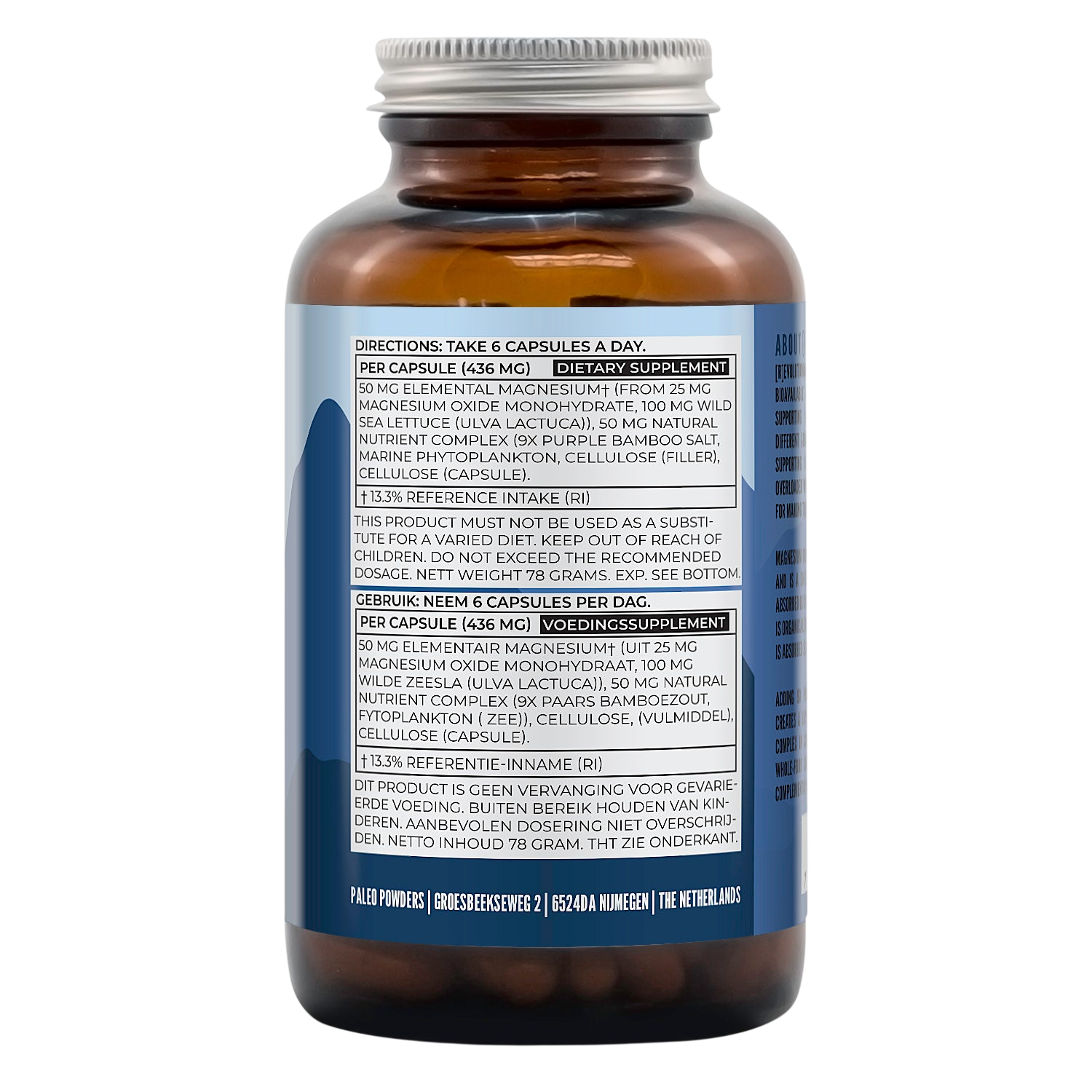
Magnesium - 100% Natural



Read more

A new phase and redesign for Paleo Powders
Paleo Powders is entering a new phase. In this video, I take you through what we have changed, why we made those changes, and what you can expect from us in the coming period. It’s not just about a...
Read more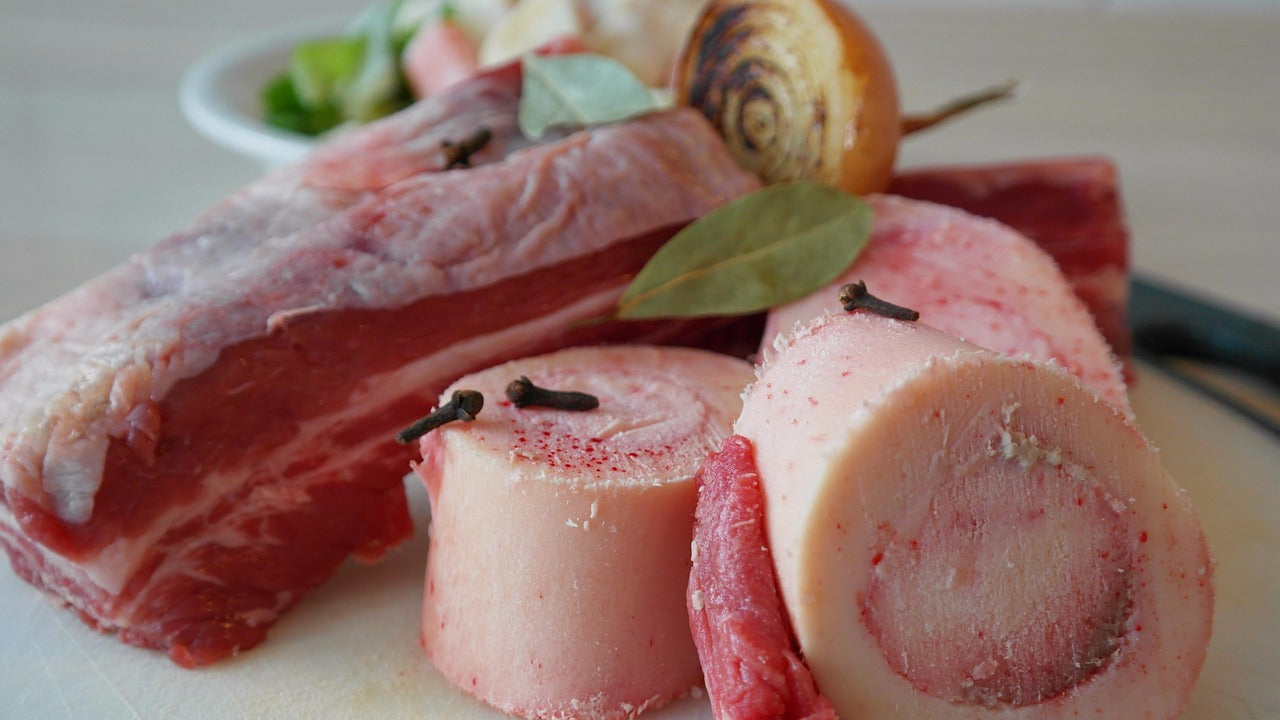
Cholesterol and saturated fat: not a black-and-white story
For years, the story was simple. Saturated fat was bad. Cholesterol was dangerous. Butter was replaced with margarine, whole milk with low-fat variants, and eggs disappeared from many people’s dail...
Read more