


Eating Like Our Ancestors: Increasingly Mainstream
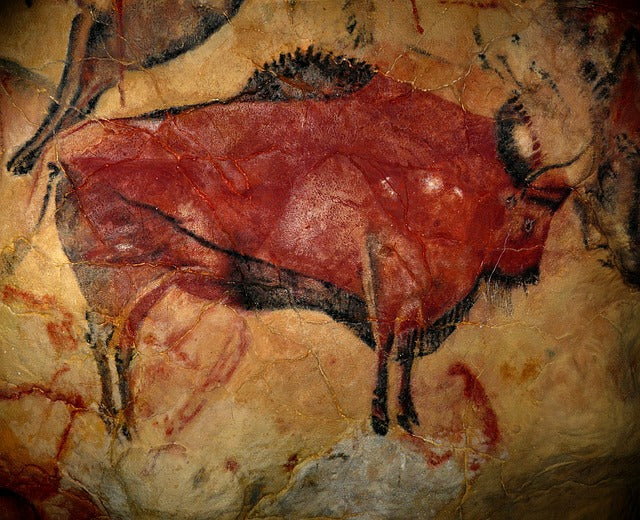
The idea of ancestral eating, often called "paleo" or "primal," has been around for quite some time and seems to have become increasingly common. This seems to be one reason why not everybody reads or hears about it every day. It began in the 1970s and 1980s, when researchers and health enthusiasts began looking at how our distant ancestors ate. American gastroenterologist Walter L. Voegtlin wrote "The Stone Age Diet" in 1975: one of the first modern advocates for "primal" eating.
Mainstream
Over the years, this concept evolved into the broader Primal Lifestyle idea, which encompasses not only nutrition but also exercise, quality sleep, and stress management. All fairly common concepts today, surely.
Rarely referred to as "primal," what was once trendy seems to be becoming increasingly normal and popular. According to recent research, there's a clear growth in conscious eating among Dutch youth and young adults: more attention to "clean eating," whole foods, and less ultra-processed food. Supermarkets also seem to be increasingly responding to this trend, such as with "clean-label" products (read: short ingredient lists, no artificial additives, minimally processed). Core principles of the "primal" movement seem to be becoming increasingly common: a daily routine for many.
So, it's a good time to pause for a moment to consider what "primal" actually means for what you buy in the supermarket. First of all: what exactly should we understand by this term, given the latest insights?
"Paleolithic" diet: diversity and adaptation in a changing landscape
The Old Stone Age (the Paleolithic) is by far the longest period in human history. It began around 2.6 million years ago with the first stone tools and ended around 10,000 years ago when humans began farming. Hunting and gathering required precision: you had to know exactly which plants were in season, where animals sojourned and migrated, and what was safe to eat. As a result, diets were incredibly varied and completely dependent on the season and environment.
Research shows that there was no fixed "primal diet." People ate what was available. In cold regions, this meant a lot of meat from large animals and oily fish, while in warmer regions, people ate plenty tubers, fruits, seeds, and wild grains. People were opportunistic, always adapting and improvising. For example, they developed techniques to make plant-based foods more digestible and ate many more plant varieties than previously thought. In short: seasonal, local, nose-to-tail eating, and not necessarily just meat.
Paleo Diet: What Does the Science Say?
What does a primal diet do to the 21st-century body? Studies show that switching to a "paleo" diet is often associated with weight loss, a smaller waistline, and a lower BMI. For many people, this is obviously beneficial. Some studies also show possible improvements in cholesterol, triglycerides, and sometimes blood pressure. For people with type 2 diabetes, it can help with insulin sensitivity and lipid profiles. Furthermore, there are indications that stricter adherence may even be associated with a lower risk of chronic diseases. Excluding whole plant foods doesn't seem advisable for everyone: gut flora too easily lacks fiber and bioactive plant compounds.
But as in almost every area of nutritional research, much remains unknown. Many studies are small, short-term, rely on self-reporting, and/or use varying definitions of "paleo." Long-term effects remain unclear. What is becoming increasingly clear is that the less processed your food, the better your body will recognise and process it. Whole, natural products, healthy fats, enough protein, seasonal fruits and vegetables, and as little sugar or junk as possible. Just choose real food.
What's going in your shopping cart?
Luckily, you can find everything that fits within a "primal-inspired" eating pattern in every supermarket.
Meat, fish & eggs
Ground beef, steak, short ribs, or roast beef are great. Whole chickens, chicken thighs, or drumsticks, and for pork, for example, chops, bacon, or ham without sugar. Game like venison or rabbit is great if it's affordable. Be careful with marinades, as they are often full of sugar or other additives. For fish: oily fish like salmon, mackerel, sardines, herring, or whitefish like cod or plaice. Canned fish is also fine, as long as it's in water or olive oil. And don't forget the eggs: organic or free-range, they remain a staple.
Vegetables & fruits
Browse the produce aisle and fill your basket with leafy greens: spinach, Swiss chard, arugula, and kale. Cruciferous vegetables like broccoli, cauliflower, and Brussels sprouts are also good, as are root vegetables like beets, celeriac, carrots, or sweet potatoes (optional). Bell peppers, onions, zucchini, cucumbers, and asparagus are always popular. Avoid pre-packaged or pre-packaged vegetables with sauces and sugar. For fruit, choose berries, apples, pears, and, if you're not strictly committed to local produce, kiwi and citrus fruits. Tropical fruits are okay occasionally, but consider them a treat.
Healthy fats, dairy & flavorings
Extra virgin olive oil, coconut oil, avocados, nuts, seeds, and sometimes animal fats like lard or tallow: all are fine. Dairy is optional; full-fat Greek yogurt, quark, hard cheeses, butter, or ghee are suitable. Avoid "light/zero" products, sweetened desserts, and yogurt drinks. Herbs and seasonings? Sea salt, Himalayan salt, pepper, garlic, ginger, rosemary, thyme, basil, oregano, and pure tomato passata are ideal. Avoid anything with long ingredient lists, refined grains, sugar, processed oils, ready-made meals, and snacks. Always check the list: the shorter, the better. And read some labels once in a while. You'll learn a lot from it.
Conclusion
An ancestral or primal diet doesn't have to be strict or complicated, and it doesn't necessarily mean "carnivore." Many people already know and follow many core principles without ever having heard of "primal." You'll find plenty in a regular supermarket. With meat, fish, healthy fats, plenty of vegetables, and a little fruit, most people are probably optimally primal.
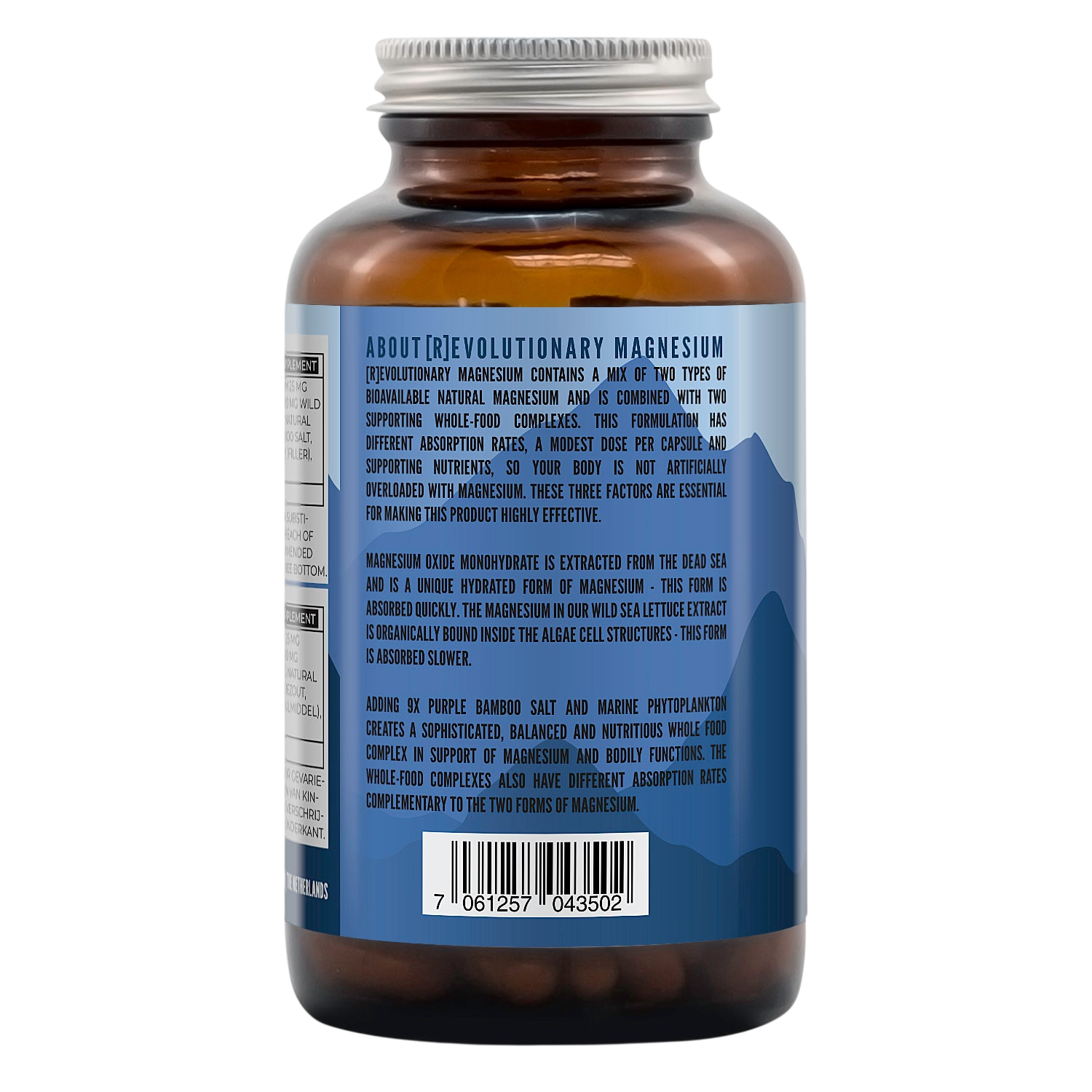
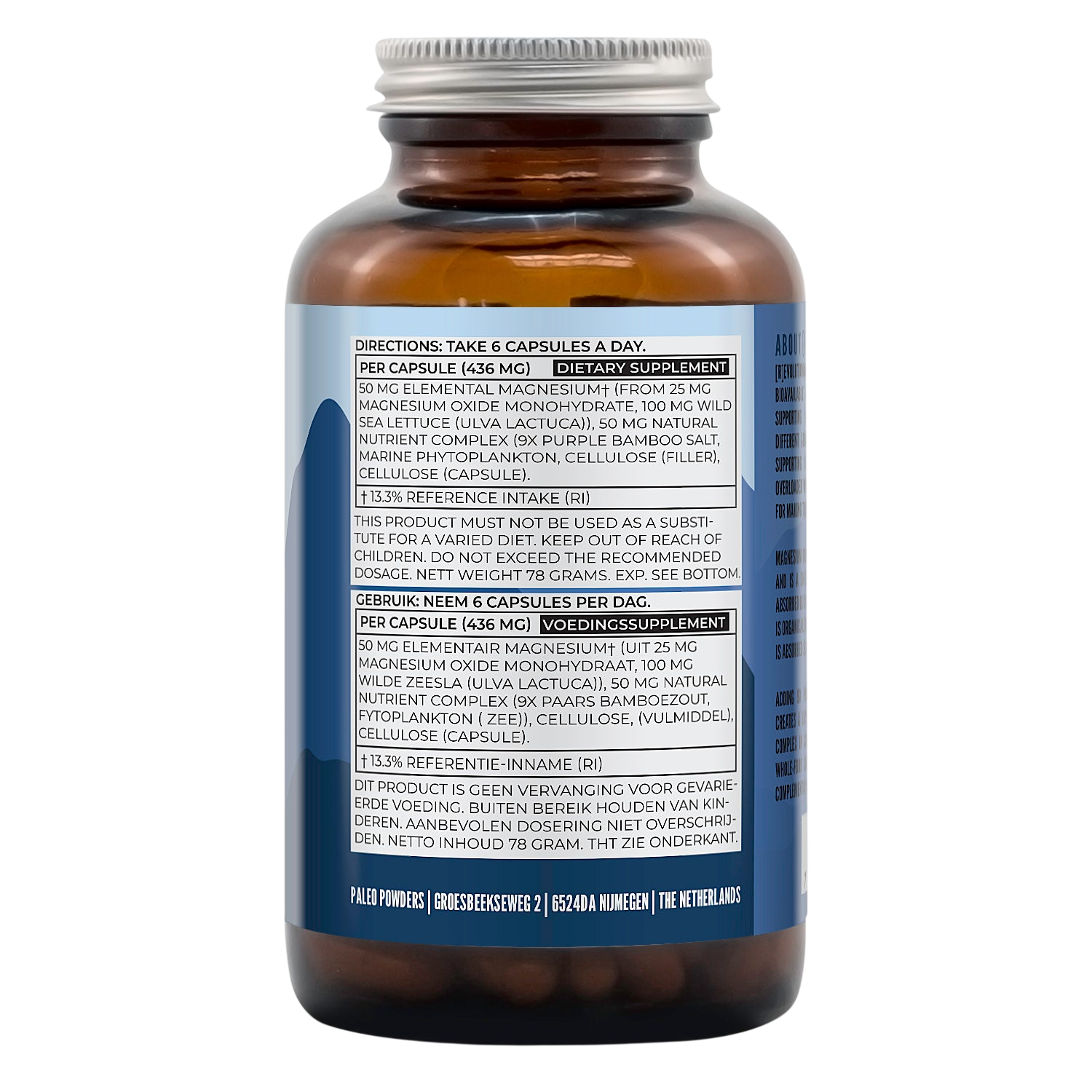
Magnesium - 100% Natural


Read more

L-carnitine: An Athlete's Thing, or Is There More to It?
Your body produces a small amount of L-carnitine itself (around 15–30 mg per day) and you also get some from meat and fish. But with a plant-based diet, with aging, or if you train hard, that can s...
Read more
Just hang in there: what a cold plunge can do for you
The concept is as simple as it is uncomfortable: briefly immersing your body in cold water. Besides a mental exercise (proving to yourself that you can tolerate the discomfort), research shows that...
Read more