

%20and%20you%20also%20get%20some%20from%20meat%20and%20fish.%20But%20with%20a%20plant-based%20diet,%20with%20aging,%20or%20if%20you%20train%20hard,%20that%20can%20s...)

L-carnitine: An Athlete's Thing, or Is There More to It?
Your body produces a small amount of L-carnitine itself (around 15–30 mg per day) and you also get some from meat and fish. But with a plant-based diet, with aging, or if you train hard, that can sometimes be insufficient. A supplement is intended to close that gap in those cases. Read below to see whether this may be relevant for you.
What does L-carnitine do?
L-carnitine is synthesized by your body from lysine and methionine, two amino acids you mostly get from protein. It is found mainly in the heart muscle, skeletal muscles and liver — in short, exactly the places that need energy all day long. The main task is simple: it shuttles long-chain fatty acids into the mitochondria, because otherwise they can't get there. Without carnitine the door stays closed.
How does that work? CPT1 attaches the fatty acid to carnitine, forming acylcarnitine, which is transported inside via a specialized shuttle, and CPT2 removes the fatty acid again so it can be burned to ATP. No carnitine = fat stays outside and you run mostly on sugar.
When will you actually notice extra carnitine?
If you eat little meat, if you are over 50, and/or if you train a lot, your endogenous production can be insufficient. The same applies during chronic stress or lack of sleep. You notice it as vague fatigue, running out more quickly during exercise, or staying stiff for longer. A supplement does not give a kick, but it can make everything run more smoothly again.
Less likely to run out
Carnitine is not a weight-loss pill that suppresses your appetite or raises your body temperature. It simply makes it easier for fatty acids to enter mitochondria, especially when you have been active for longer than about half an hour. Endurance athletes notice they are less likely to “hit empty” and can draw on fat stores more easily. Studies show that after a few weeks you may burn 2–3 grams more fat per day during cardio or a long bike ride.
Less muscle soreness and faster recovery
After a heavy strength session or a hard run you often have small muscle tears and more free radicals. Carnitine helps keep energy production stable so antioxidants can do their job better. The result: creatine kinase (a muscle-damage marker) stays lower, you experience less muscle pain, and you may feel fresher the next day. It can make a difference particularly with eccentric loading (think downhill running or heavy squats).
Focus
The acetyl form (acetyl-L-carnitine, ALCAR) crosses into the brain easily. It helps produce acetylcholine, the neurotransmitter that keeps you sharp and focused, and helps mitochondria in nerve cells function well. Some people who try it notice they are less “wiped out” after busy days, have less trouble remembering things, and stay calmer under stress. This is especially relevant for older adults and people who regularly suffer from mental fatigue or mild cognitive complaints.
Keep running smoothly even when you're idle
Supplemental carnitine can contribute to the balance between free and fatty-acid–bound forms. That helps keep your energy stores steadier, which can matter if you had a bad night's sleep or a rough day. It prevents that sudden dip you don't want to experience.
Benefits your heart and vessels
The heart obtains most of its energy from fat. More carnitine means the heart can continue to pump efficiently and is less likely to struggle during exertion. Older studies and more recent reviews show it can reduce symptoms in heart patients and possibly slightly improve pumping function. It may also make a difference for less active but otherwise healthy people.
TMAO?
You may read that L-carnitine from meat or pills raises your TMAO (trimethylamine N-oxide), and that TMAO is associated with atherosclerosis. That makes some people think: “Oh no, ditch the steak and the supplements.” But when you look at the body of research, something notable appears: people who consume more L-carnitine often show improved cholesterol markers (less LDL, fewer triglycerides, more HDL), lower body weight, a better muscle-fat ratio, and on average longer lifespans. Still uneasy? Chop a fresh clove of garlic daily and eat it raw. Allicin in particular substantially inhibits the conversion to TMAO according to some studies.
Who benefits most?
- Vegans and vegetarians (almost no dietary intake)
- Endurance and strength athletes with intensive training schedules
- People over 50 (endogenous production declines annually)
- Anyone with a stressful life and little sleep
How much to take?
- For general energy: 500–1,500 mg per day
- Around training: 2,000–3,000 mg (preferably as tartrate)
- For the brain: 600–1,500 mg acetyl-L-carnitine, in the morning or early afternoon
- Anything above ~3,000 mg at once and you absorb very little more and are more likely to experience stomach issues.
In short
L-carnitine is not a miracle drug but it is not a fad either. Think of it as a helping hand for your cells. If you use it consistently for a few months together with enough sleep, exercise and protein, you may notice a bit more energy, faster recovery and a clearer head.
L-carnitine is generally considered safe. High doses can cause mild side effects: nausea or a fishy odor. Consult a physician if you are taking medications, are pregnant, or have medical conditions.
Magnesium - 100% Natural

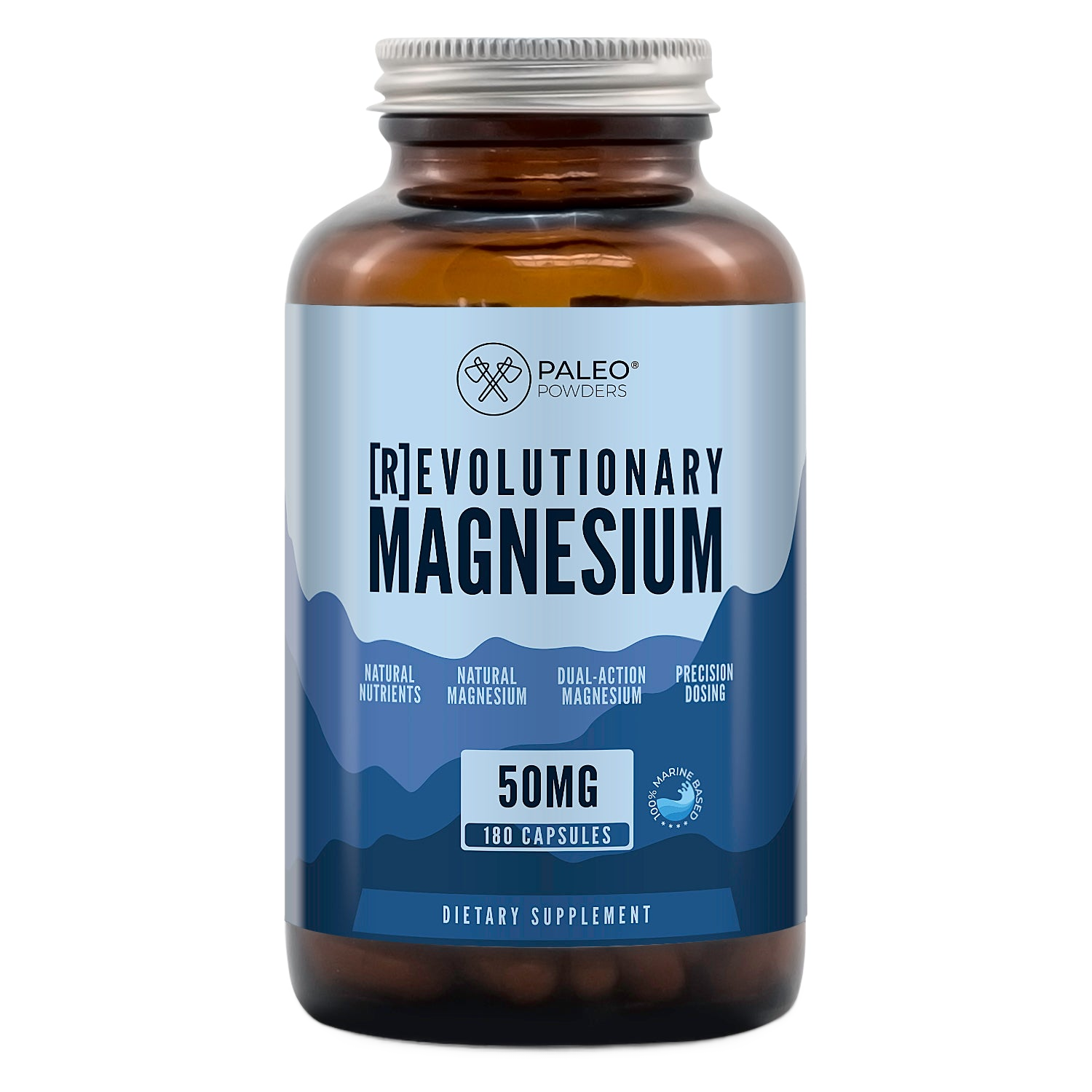
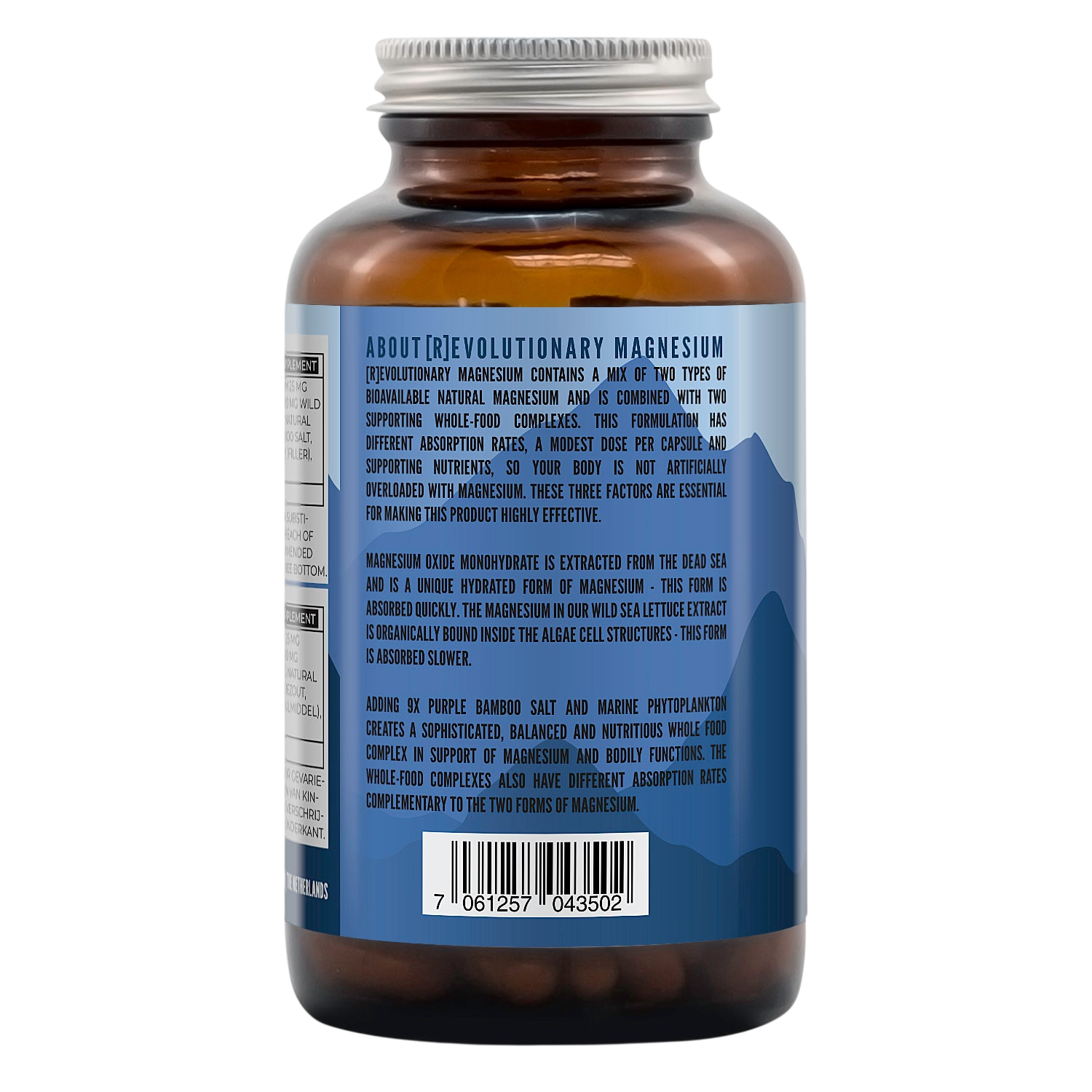
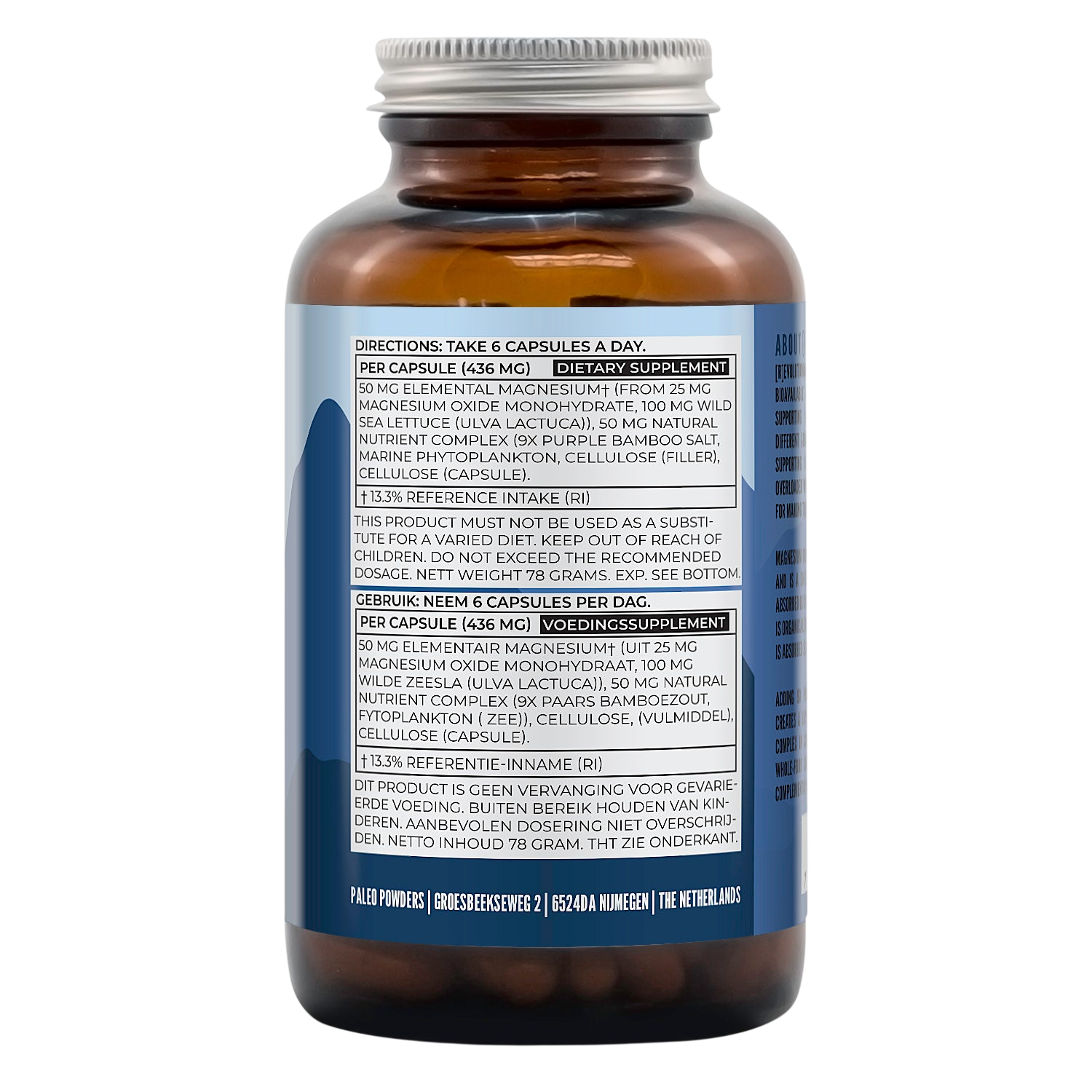
Read more
Sprouts as a Primal Food: How They (May or May Not) Fit into an Ancestral Lifestyle
Primal, ancestral, paleo: all trendy terms you see everywhere today, but they all boil down to living and eating according to old principles from a time without processed foods. So what fits i...
Read more
Eating Like Our Ancestors: Increasingly Mainstream
The idea of ancestral eating, often called "paleo" or "primal," has been around for quite some time and seems to have become increasingly common. This seems to be one reason why not everybody reads...
Read more