



Greenpeace: Dangerous Chemicals Still Found in Fast Fashion
For years, inexpensive mail-order clothing, known as “fast fashion,” has been associated with harmful consequences for both people and the environment. Low prices and rapid production cycles lead to increased consumer purchases but also generate more waste.
Growing criticism has had little effect. Despite previous warnings, Shein continues to sell products containing harmful substances, according to the Greenpeace report Shame on You, Shein II. This follow-up investigation shows little change compared with earlier research.
Previous Warnings
In an earlier 2022 investigation, Shein clothing was found to contain harmful substances. Concentrations exceeded limits established under European REACH regulations. Shein stated that the affected products had been removed and that product safety remained a top priority.
Follow-Up Investigation
Greenpeace set out to verify these claims by purchasing 31 products once again from Shein’s German-language online store. Although not all items were exactly the same as those tested previously, they showed clear similarities in terms of materials, design, and sourcing.
The key question was whether the earlier issues had genuinely been resolved or simply concealed more effectively. Testing conducted by an accredited laboratory in Germany focused on chemicals that had raised concerns in the past, including PFAS and phthalates. Heavy metals were also examined, along with formaldehyde and similar volatile substances highlighted in previous reports.
Shocking Results
According to the Greenpeace report, many products posed potential risks. A total of 31 items were tested, and a large number contained problematic chemicals. Twenty-four products exceeded European safety limits for hazardous substances. This means that more than four out of five items would effectively be prohibited within the European Union.
Some products contained phthalates, substances used as plasticizers that may affect the endocrine system. In certain cases, concentrations were measured at up to forty times the permitted limit.
PFAS, the notorious “forever chemicals,” were also detected. These compounds persist in the environment for extremely long periods and accumulate in both animals and humans. Certain jackets contained levels more than one thousand times higher than what European regulations allow.
Among the heavy metals identified were lead and cadmium, well-known neurotoxic substances that are particularly dangerous for children.
Clothing as a Hidden Source of Chemical Exposure
The Greenpeace report notes that numerous studies are increasingly raising concerns about toxic chemicals in clothing. Researchers at Yale University recently pointed out that many substances commonly used in the fashion industry are far from harmless. In addition to their long-recognized environmental impact, growing evidence suggests they may also affect consumer health.
The research indicates that as many as one hundred different chemicals can be used during clothing manufacturing to achieve properties such as stretchability, durability, colorfastness, and water resistance. Some of these compounds may gradually migrate out of the material during use. In some cases, chemicals can enter the body directly through skin contact with clothing. Heat plays an important role: together with perspiration, higher temperatures can accelerate the release of chemicals from textile fibers. Inhalation provides another pathway. As clothing rubs against the body during movement, fibers can break down and release microscopic particles. These particles have been found throughout food chains and may eventually accumulate within the human body.
Microscopic but Persistent
Although many chemicals gradually dissipate from the environment, their effects on people can remain significant. Some substances are associated with hormonal disruptions, allergic reactions, or respiratory difficulties. Concerns are also growing about compounds that may contribute to cancer risk. PFAS, in particular, stands out because of its exceptional persistence. These substances accumulate in bodily tissues and break down very slowly, if at all. Long-term exposure has been linked to potential immune system disruptions, liver damage, and kidney problems.
Phthalates represent another concern. Commonly used as plasticizers in plastics and certain coatings, they may interfere with hormonal systems and reproductive health. Some tested items contained concentrations many times higher than permitted under European regulations—sometimes tenfold, and in some cases even one hundredfold.
An additional concern is the possible presence of trace metals such as lead and cadmium. These elements occasionally appear in certain dyes and color treatments. According to research reports, prolonged exposure can result in accumulation within human tissues. Potential consequences include damage to the brain, impaired kidney function, and developmental problems in young people.
While it remains difficult to determine the precise risks posed by individual garments, researchers emphasize the broader context of cumulative exposure. People may already be exposed to chemicals through food packaging, personal care products, and cosmetics. Disposable products such as cleaning wipes are not always harmless either. Together, these sources contribute to ongoing exposure that may have long-term health implications.
What Happens Next?
Greenpeace views the issue at Shein as part of a broader ultra-fast fashion system. The organization is calling for stricter legislation, including taxes on fast-fashion products, stronger enforcement measures, greater transparency throughout supply chains, restrictions on advertising for ultra-fast fashion, and expanded liability for online platforms selling products within the European Union.
According to Greenpeace, voluntary corporate promises have proven insufficient, making binding regulation necessary to better protect both consumers and the environment. The follow-up report is not an isolated case. A growing body of scientific literature suggests that clothing may be an underestimated source of exposure to harmful chemicals.
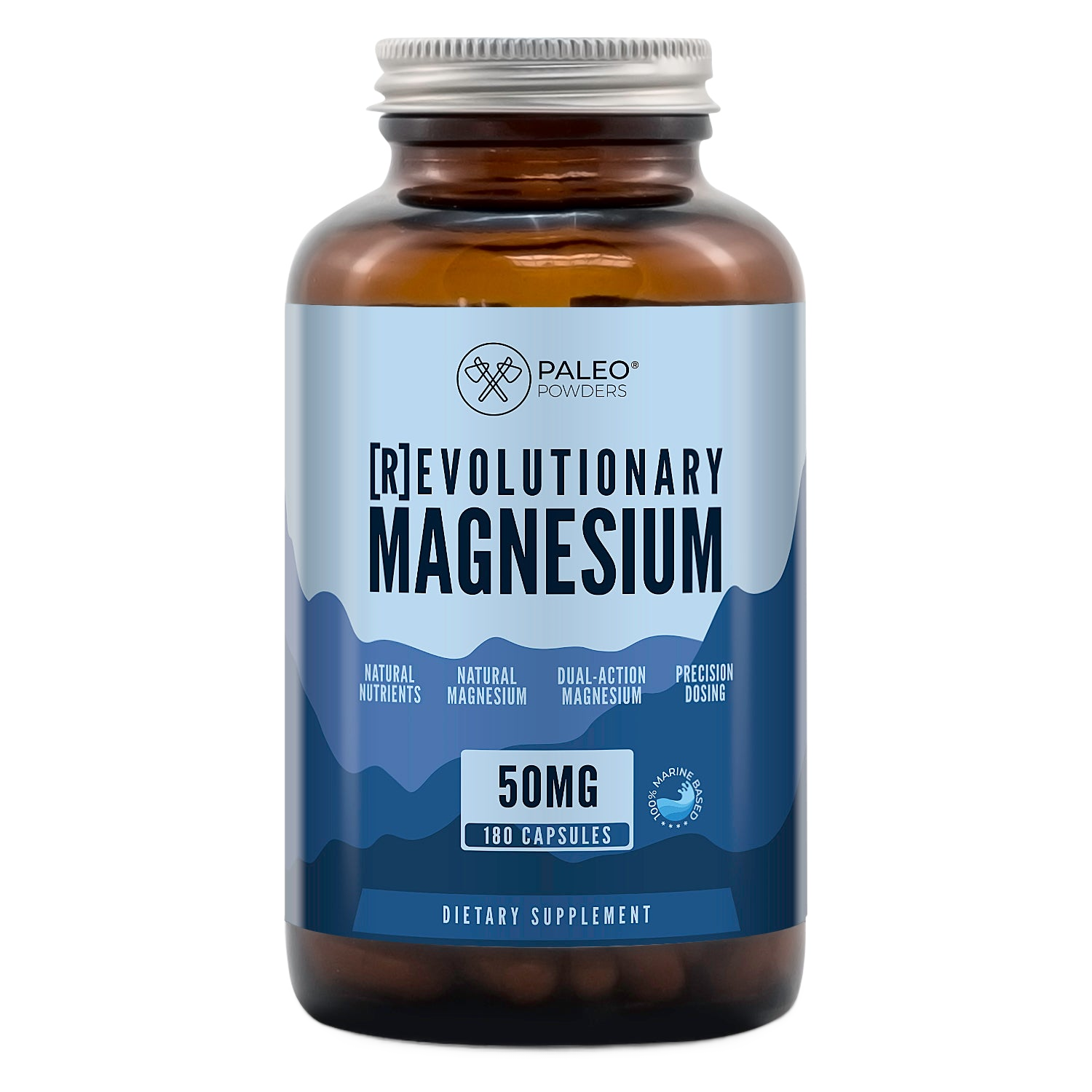
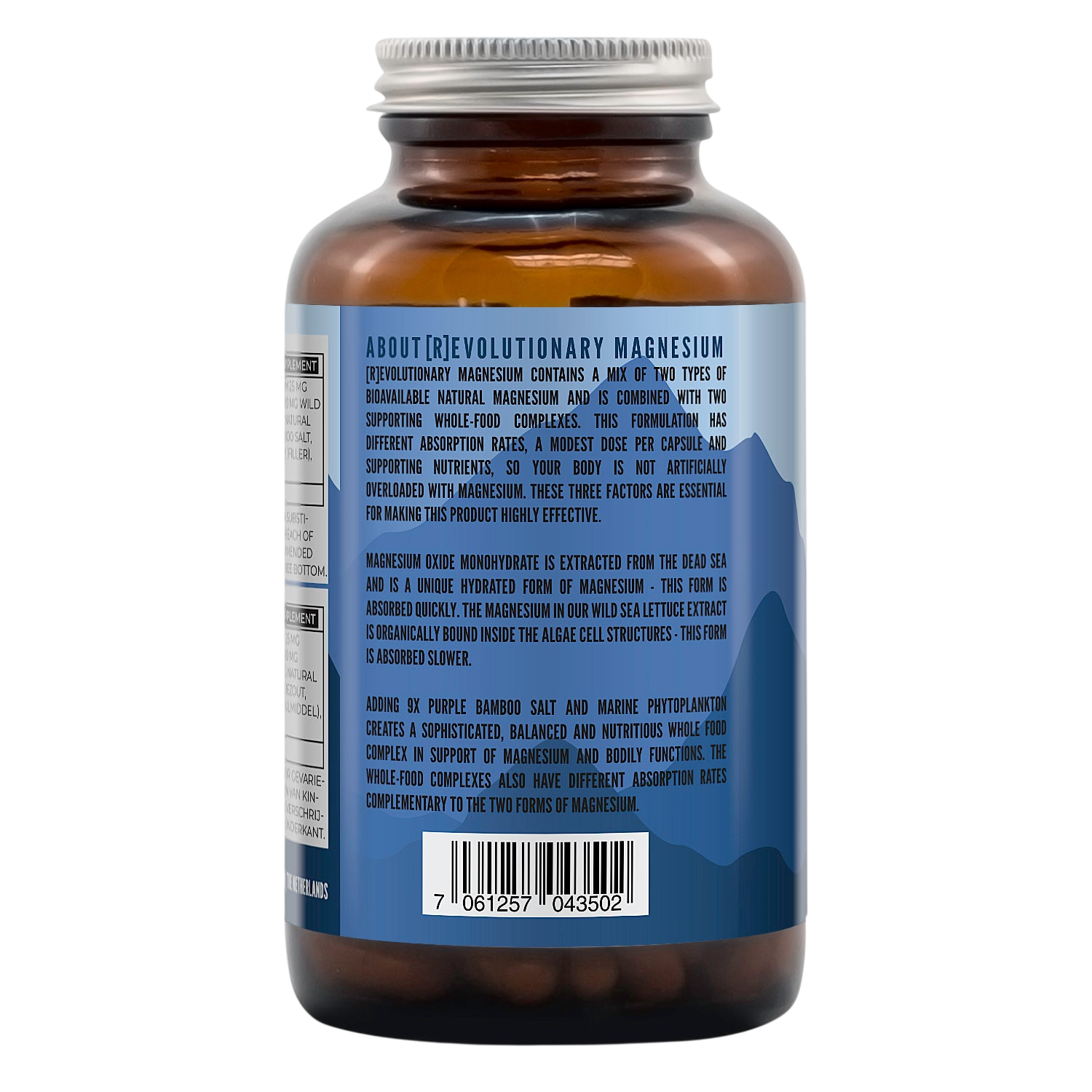
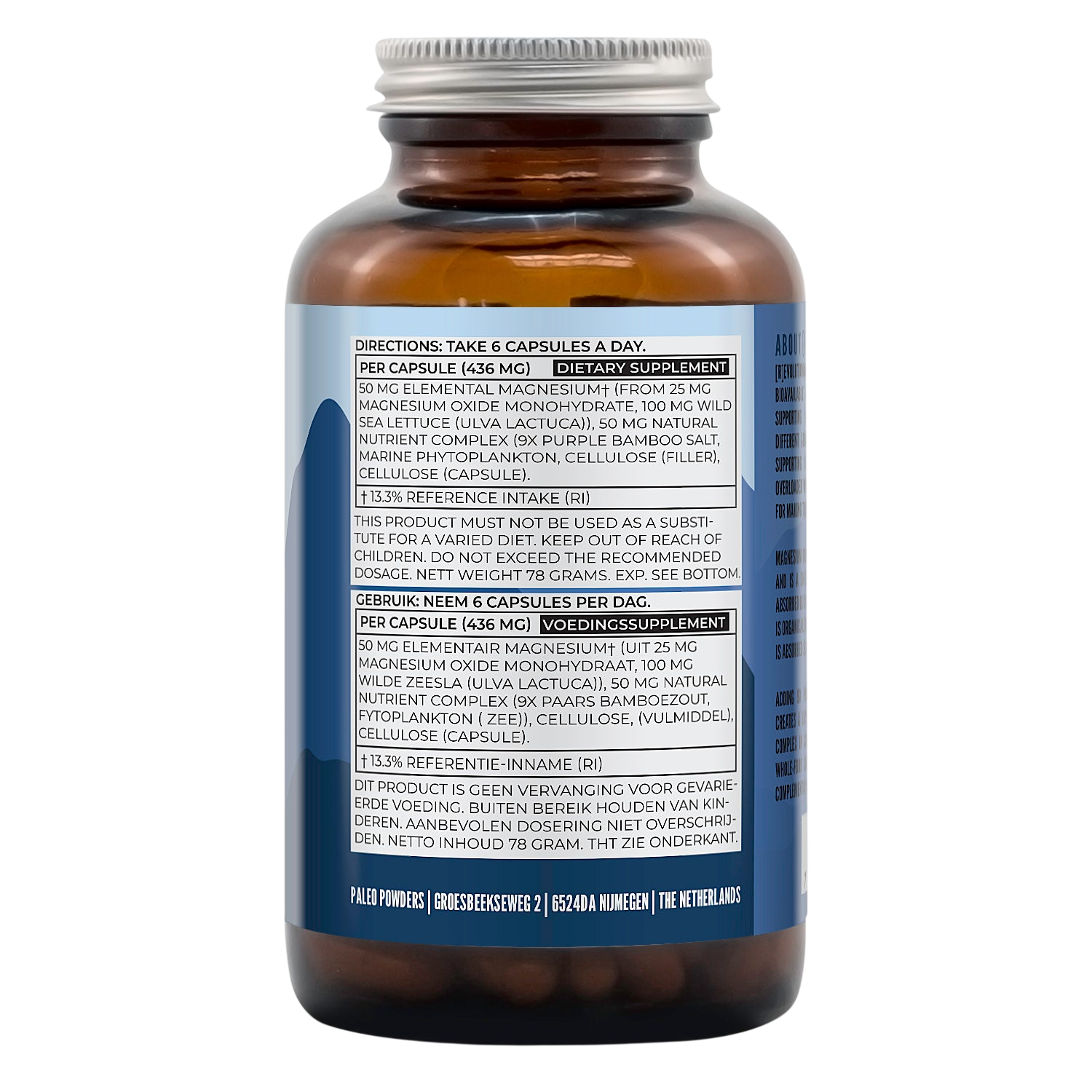
Magnesium - 100% Natural

Read more

The mental benefits of prolonged fasting
Prolonged fasting is the voluntary abstinence from food for more than 24 hours. This form of intermittent fasting has received a lot of attention in recent years. The focus is often on physical eff...
Read more
New Study: Psilocybin May Slow Aging
Psilocybin is a well-known psychoactive compound found in specific mushrooms and truffles. Although it has long been known outside scientific circles, interest in the substance has grown for years ...
Read more