

Article: New Study: Psilocybin May Slow Aging


New Study: Psilocybin May Slow Aging
Psilocybin is a well-known psychoactive compound found in specific mushrooms and truffles. Although it has long been known outside scientific circles, interest in the substance has grown for years due to positive findings in neuropsychiatric disorders and conditions. These include severe cases of depression and obsessive-compulsive behavior. This field of research has become even more interesting now that aging processes may also be influenced by this substance.
A recently published analysis in npj Aging examined not only what psilocybin does in the brain but also how it affects key processes involved in aging. Psilocybin and psilocin appeared to potentially inhibit cellular aging: survival rates increased in old mice after treatment. These findings are still fresh, but they already raise questions about practical applications, such as in geriatric care and the prevention of neurodegenerative disorders. Changes in cellular behavior suggest more than mere coincidence.
Aging Physiology as a Research Field
Aging has traditionally been regarded as something that is simply part of life. However, science is increasingly approaching it from an intervention perspective. Insights from fundamental research continue to grow steadily, focusing on how the body physically ages—consider well-studied factors such as DNA damage and declining cellular renewal. Telomeres shorten, inflammation plays a role, and so does the burden of free radicals.
Telomeres are located at the ends of chromosomes and protect them during cell division. Each time a cell divides, these ends decrease in length. Shorter structures lead to poorer performance during division processes: the ability to correct errors declines. Telomere length provides important information about how quickly an organism is aging and is therefore both a factor in, and a measure of, aging.
For some time, researchers have suspected that mental health is related to the speed at which the body ages. Long-term stress, excessive worrying, or low mood are often associated with shortening telomeres. Previous research showed that psilocybin may help with mental health complaints. A logical question, therefore, was whether this substance could also slow cellular aging.
What Did the Researchers Examine?
The study consisted of two parts. Human connective tissue cells were examined for their response to psilocin, a compound produced when psilocybin is metabolized, particularly with regard to aging parameters. At the same time, researchers counted how many times each cell could divide before entering an aging phase and ceasing division.
In the second part, scientists studied aging female mice starting at 19 months of age, roughly equivalent to 60 to 65 years in humans. Each month, these animals received a dose of psilocybin. The research focused on the mice’s condition and lifespan.
Surprising results emerged from the laboratory. Cells treated with psilocin showed signs of aging significantly later. Improvements ranged between 29 and 57 percent, depending on the dosage.
Biological characteristics associated with healthy, youthful cells were also notable. Oxidative stress decreased, meaning that aggressive free radicals caused less damage to living structures. Telomeres remained more stable compared with untreated animals. Finally, scientists identified changes in proteins associated with DNA repair functions, internal defense mechanisms, and processes that typically accelerate during aging.
In short, psilocin appears to influence several biological processes associated with cellular aging. It does not act through a single pathway but rather through multiple mechanisms. The substance may therefore play a role in slowing cellular wear and tear. Although its precise mode of action remains unclear, the data suggest a wide range of effects. What is certain is that regulation occurs at the level of age-related deterioration processes.
Improved Survival in Older Mice
While more than half of the control mice had died after ten months, survival remained high in the psilocybin-treated group: approximately 80 percent were still alive.
The experimental animals also showed noticeable changes in their physical condition. Treated mice often had shinier coats with fewer white hairs. Although anecdotal, these observations suggest that the effects of psilocybin on aging may extend beyond cellular repair alone.
5-HT2A Receptor
Although the exact mechanism remains unclear, the serotonin 5-HT2A receptor may play a role, as it is activated by psilocybin.
Previous studies have shown that activation of this receptor is associated with increased SIRT1 activity, a protein involved in DNA repair, energy regulation, and protection against cellular damage. SIRT1 has long been regarded as a key factor in healthy aging. Psilocin increased SIRT1 levels within cells.
More Research Needed
It is already widely recognized that psychedelics can have far-reaching biological effects. Their role in inflammatory processes, cellular renewal, brain plasticity, and ultimately aging mechanisms appears to be an interesting and broad area of research. However, further studies are still needed. In vitro and animal studies involving relatively small numbers of test subjects cannot be directly translated to humans, let alone to practical applications. Effective dosages and the duration of effects remain largely unanswered questions.
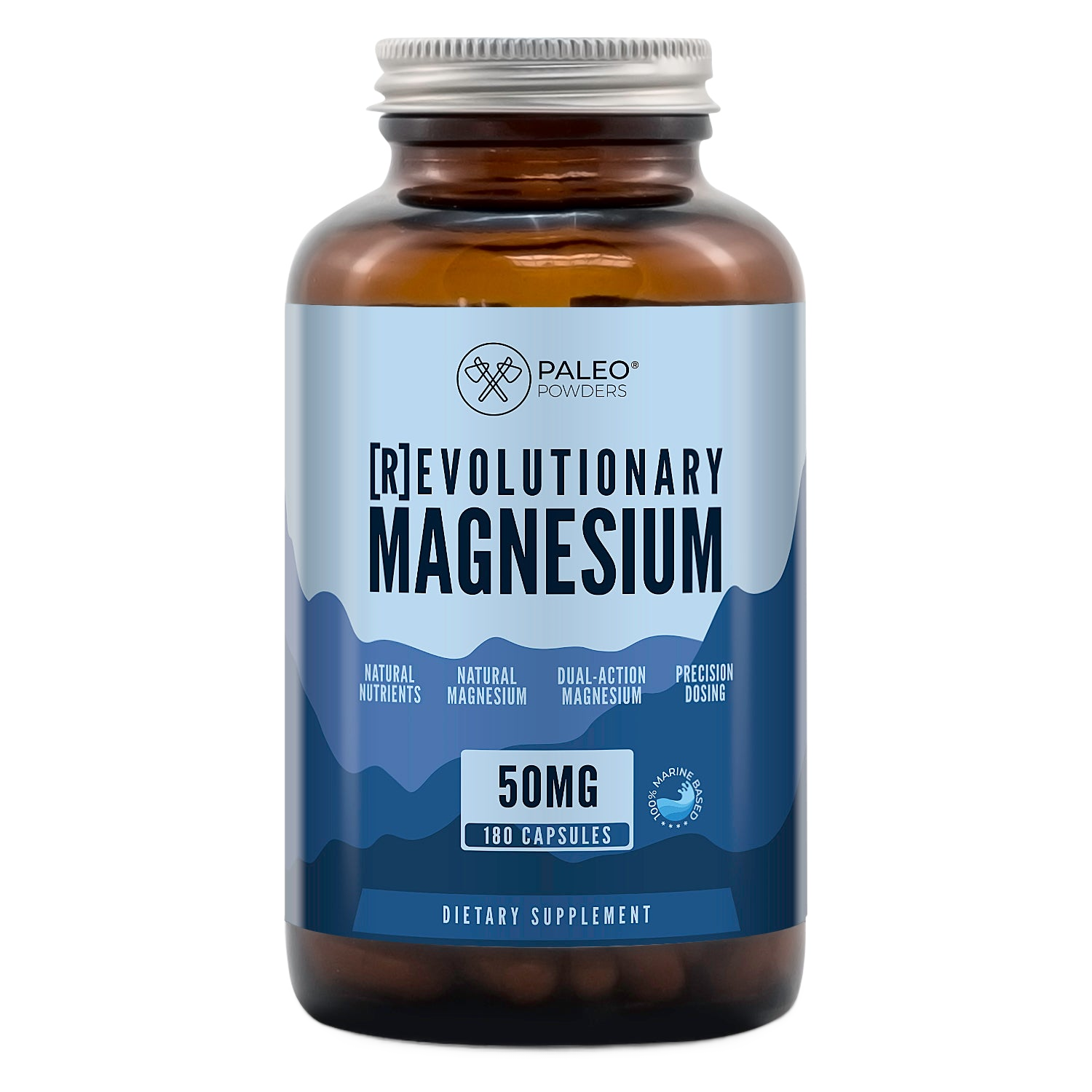
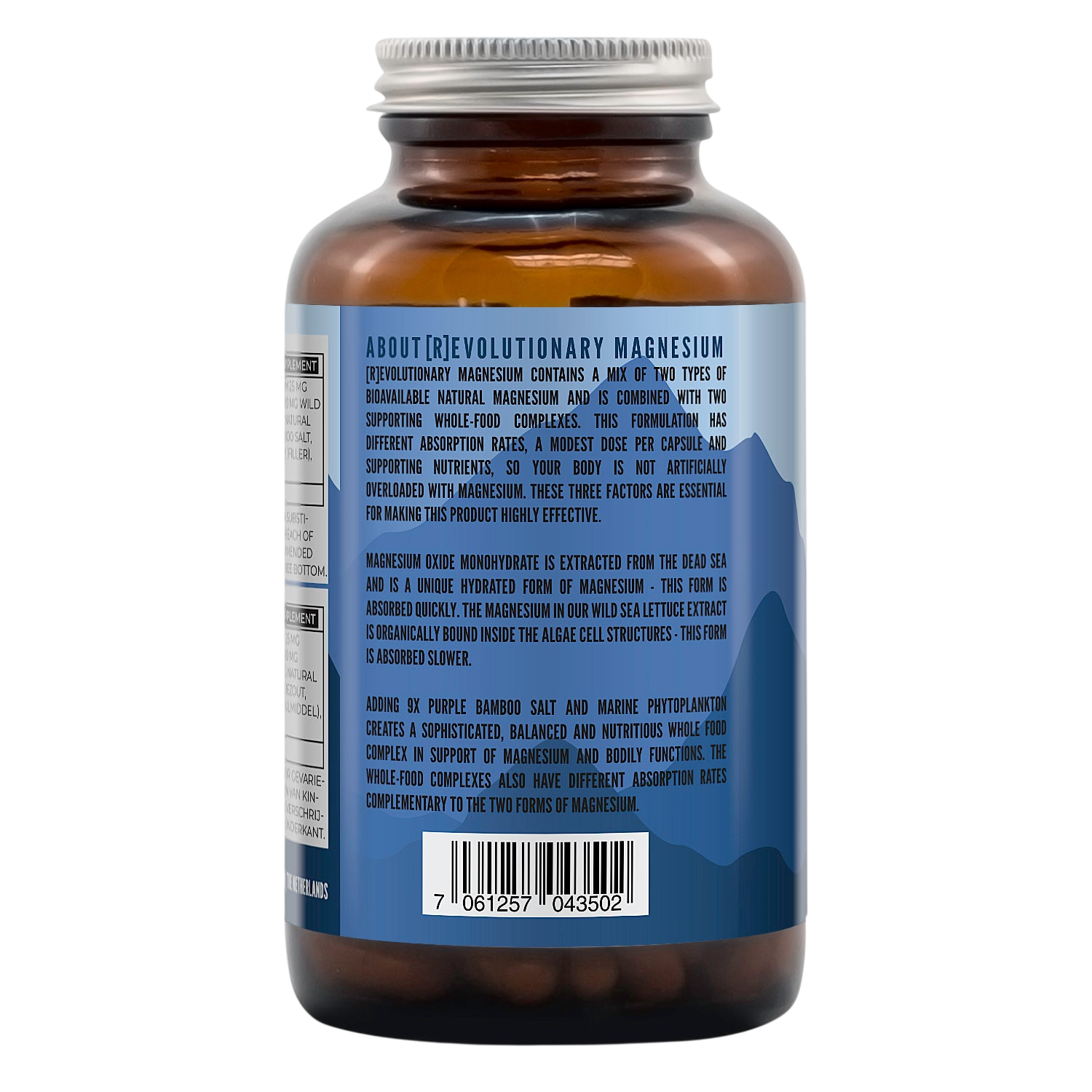
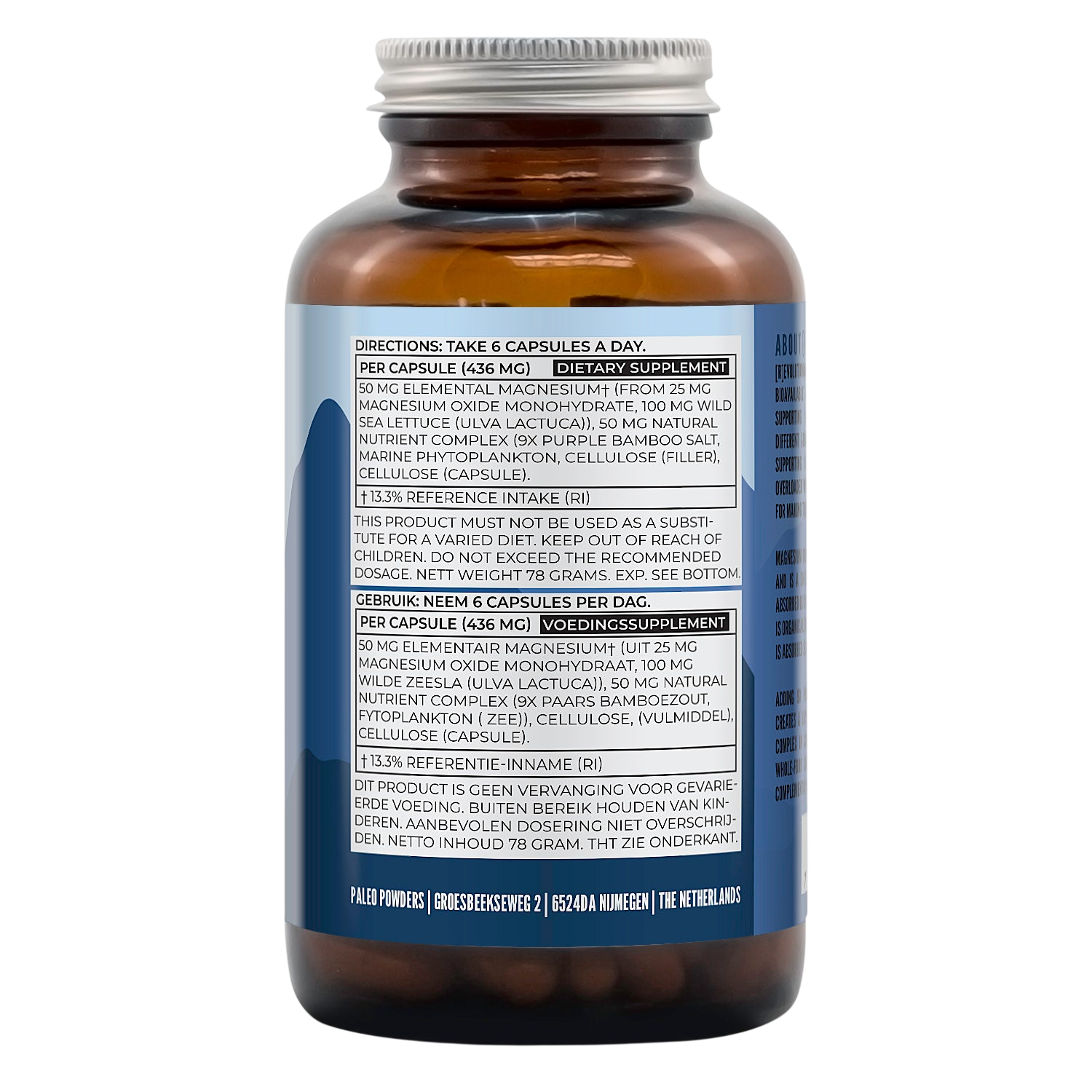
Magnesium - 100% Natural

Read more

Greenpeace: Dangerous Chemicals Still Found in Fast Fashion
For years, inexpensive mail-order clothing, known as “fast fashion,” has been associated with harmful consequences for both people and the environment. Low prices and rapid production cycles lead t...
Read more