


New nutrition score makes nutritious products more visible
In an article recently published in the leading Journal of Nutrition, the authors propose a new nutritional score designed to evaluate food in a multi-layered way: not only on energy or on one or more individual nutrients, but on the combined nutritional value of all beneficial components.[1] The core of the idea is important from many perspectives: a food is only truly valuable if it performs well on several fronts simultaneously.
Towards a smarter Nutri-Score
The new Nutritional Value Score (NVS) was developed to better rank foods based on their nutrient density. This means that the score looks at how many useful nutrients a product provides in proportion to the total. This includes vitamins, minerals, protein, and n-3 fatty acids, and not just "how much is in it?", but especially "what does it contribute?". Nutrients are given the heaviest weight if their deficiencies are most widespread and have major consequences for public health.
This is a big difference from systems that primarily focus on one or more negative factors, such as sugar or fat. A product can be low in sugar but also of little value, while another product is rich in essential nutrients and should therefore score much higher.
Globally established nutritional scores such as Nutri-Score, for example, greatly simplify nutritional quality. Important nuances can be lost: nutrient density, bioavailability of nutrients; the fact that some energy-rich products actually contain many valuable nutrients. Especially for products such as nuts, fish, dairy, or organ meats, such a label can give too narrow a view of their true nutritional value.
These types of systems are often intended as a comparison tool within a single product group, while consumers quickly view the label as a general judgment on health. Furthermore, it is rarely clear what that product group is.
Widely used nutritional value indices calculate nutritional value per calorie. This can underestimate the value of nutritious but energy-dense products.
Equally noteworthy is that many systems do not account for differences in the bioavailability of important nutrients; consider iron, zinc, and essential amino acids. In addition, many indices also include nutrients with limited public health relevance, including phosphorus and dietary cholesterol.
Finally, the health focus is often on nutrient restriction and not on nutrient ratios. The latter factor is often a better predictor of disease.
How the score is constructed
The NVS rewards food not so much because it happens to have one strong point, but particularly if it performs well on multiple nutritional dimensions simultaneously. The more positive characteristics come together, the higher the score. The score works as a weighted combination of seven normalized nutritional characteristics. Vitamins and minerals receive the greatest emphasis, each 20%, followed by protein with 12.5% and n-3 fatty acids with 10%. Other components make up the rest of the score.
Normalization means that each nutrient is placed on a common scale, so that vitamins do not automatically dominate everything just because they are measured in different units than protein or fat. Without normalization, a score could be skewed and unfairly over- or underestimate a food. With normalization, the system can determine which product offers the best overall package of nutritional value.
- A handful of nuts can provide relatively many healthy fats and some minerals.
- A serving of legumes can provide a lot of protein and minerals.
- Vegetables can be rich in vitamins and minerals, but contain less energy and protein.
So what's good?
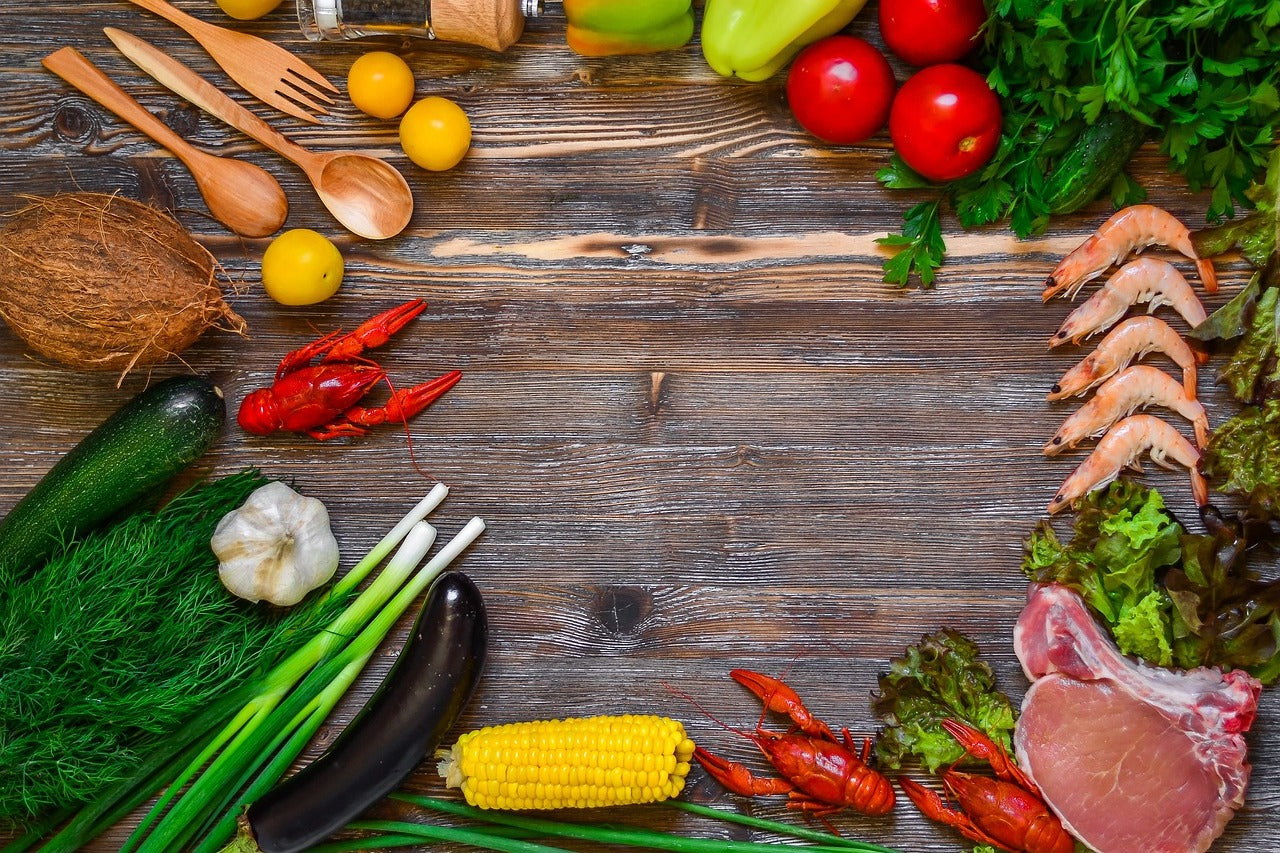
In short, the score makes visible where foods are strong on multiple fronts simultaneously. The best performers were organ meats, dark leafy greens, fish, and shellfish. Soft drinks, grain-based pastries, instant noodles, packaged ultra-processed snacks, and refined grains scored the lowest. Not very surprising to many perhaps, but the reasons for high scores are diverse:
- Salmon scores high due to protein combined with n-3 fatty acids.
- Lentils score high due to protein, minerals, and fiber-rich nutritional quality.
- Many dark green vegetables score due to vitamins and minerals.
- Fortified dairy scores well due to a combination of protein, calcium, and other micronutrients.
It is also important that no single food scores high on all components. Spinach, with the third-highest score, for example, scores high on most components but has an n-3 score of only 10. Foods with the highest vitamin scores are organ meats and dark leafy greens, including spinach. Foods with the highest overall nutritional value score are fish and shellfish (especially dried varieties), dried okra, organ meats, dark leafy greens, and game meat.
Not unimportantly for paleo fans, foods of animal origin, especially organ meats, generally score better on the NVS than on the Nutri-Score scale. In contrast, starchy staples (especially refined grains), fruits, legumes, nuts and seeds, and vegetables other than dark leafy greens generally score better on the Nutri-Score scale.
Implications
The NVS is not designed as a front-of-pack label. It produces a continuous score that is currently primarily intended to support policy and program decisions. A translation of the NVS into a label for the consumer would require simplification and is still pending.
Meanwhile, the development of scores like the NVS does prompt reflection on the definition of healthy food. Instead of asking "is this low in fat?" or "is this low in sugar?", a fundamental question is, "How much real nutritional value does this product offer as a whole?"
The added value of this question lies in the shift from an anti-negative to a pro-positive food evaluation. Many labels and rating systems mainly tell you what to limit. Scores should perhaps rather indicate what you should appreciate.
Scores, in short, are not just a calculation tool, but reflect a way of thinking. Their continuing development invites us to view nutrition as a sum of valuable contributions, where the best products are not just "less bad" but actually bring a lot of good.
Reference
[1] Beal, Ty, and Flaminia Ortenzi. "Nutritional Value Score Rates Foods Based on Nutrient Density and Noncommunicable Disease Prevention." The Journal of Nutrition (2026): 101443.
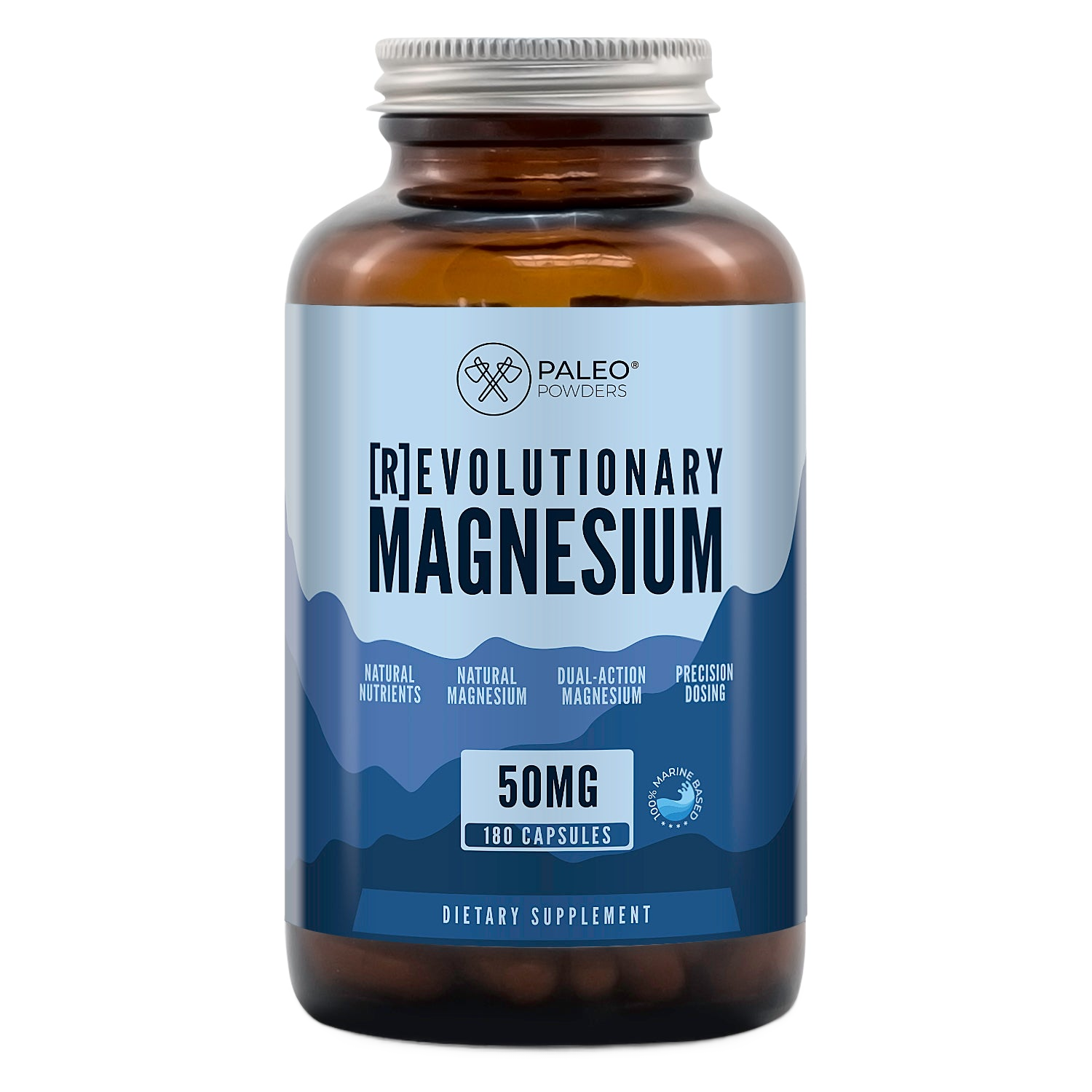
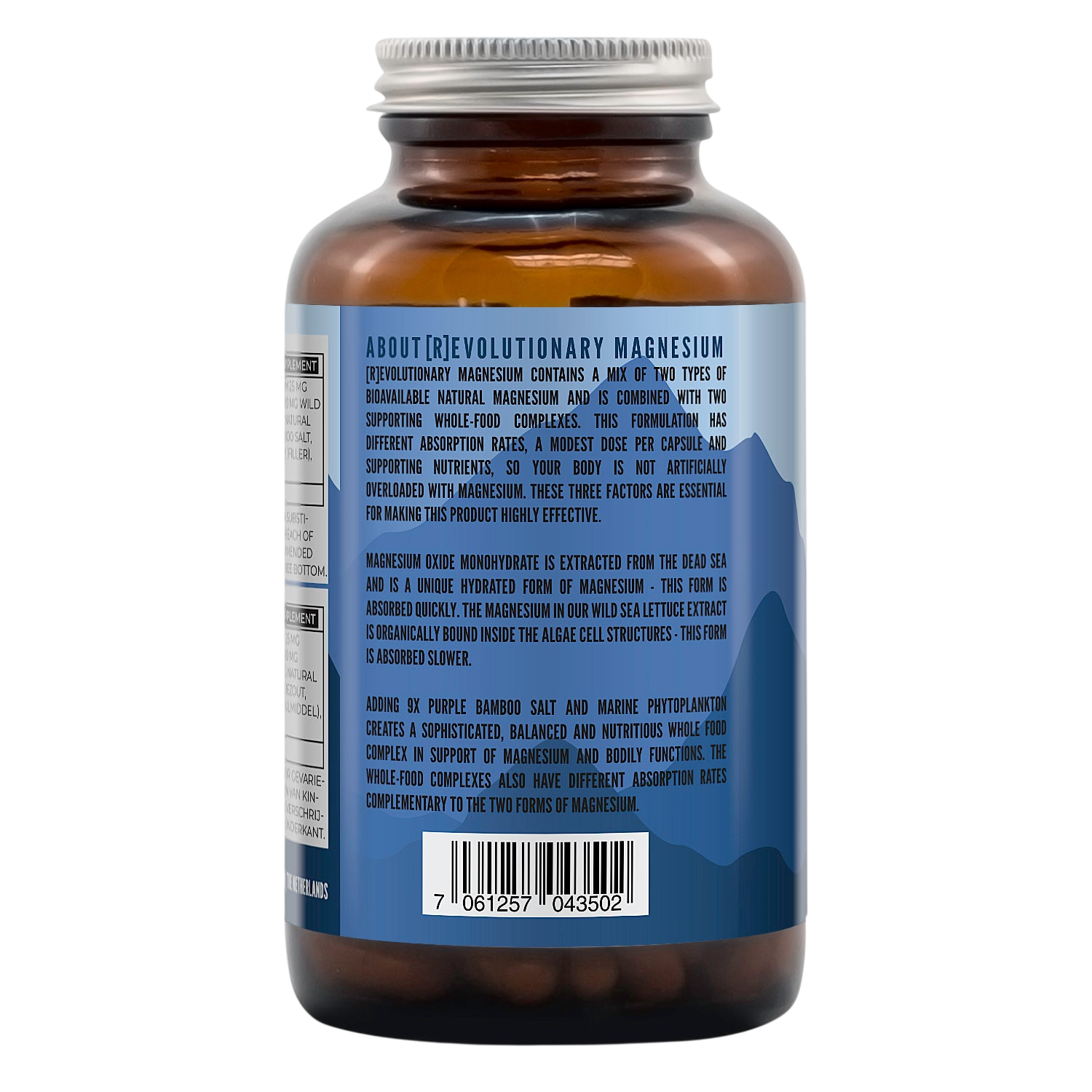
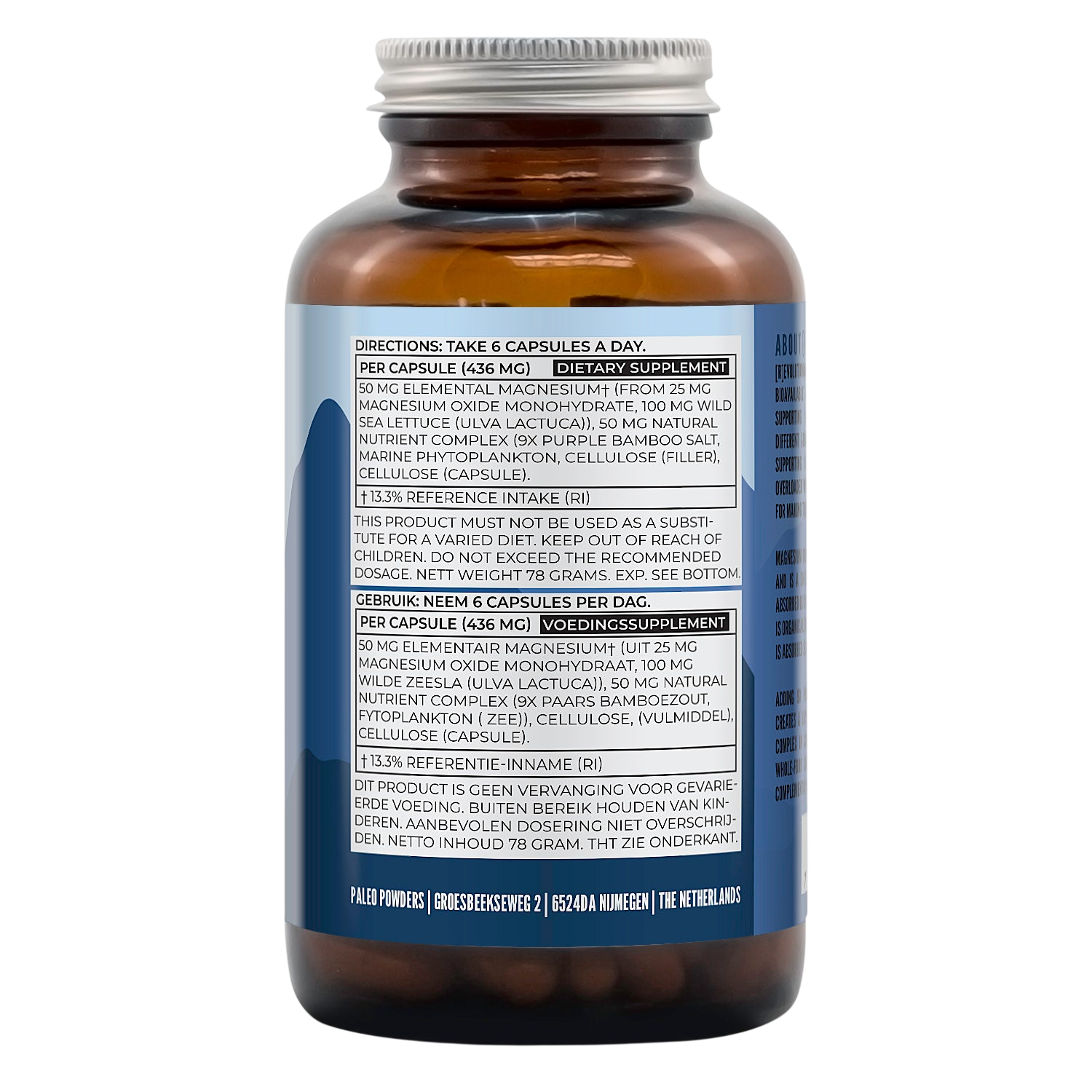
Magnesium - 100% Natural

Read more

Hunters, gatherers, cooks: New study
The way we think about the diet of early humans is changing rapidly. For a long time, it was assumed that hunter-gatherer-fishers mainly ate meat and fish and thus had little culinary refinement. R...
Read more
The mental benefits of prolonged fasting
Prolonged fasting is the voluntary abstinence from food for more than 24 hours. This form of intermittent fasting has received a lot of attention in recent years. The focus is often on physical eff...
Read more