


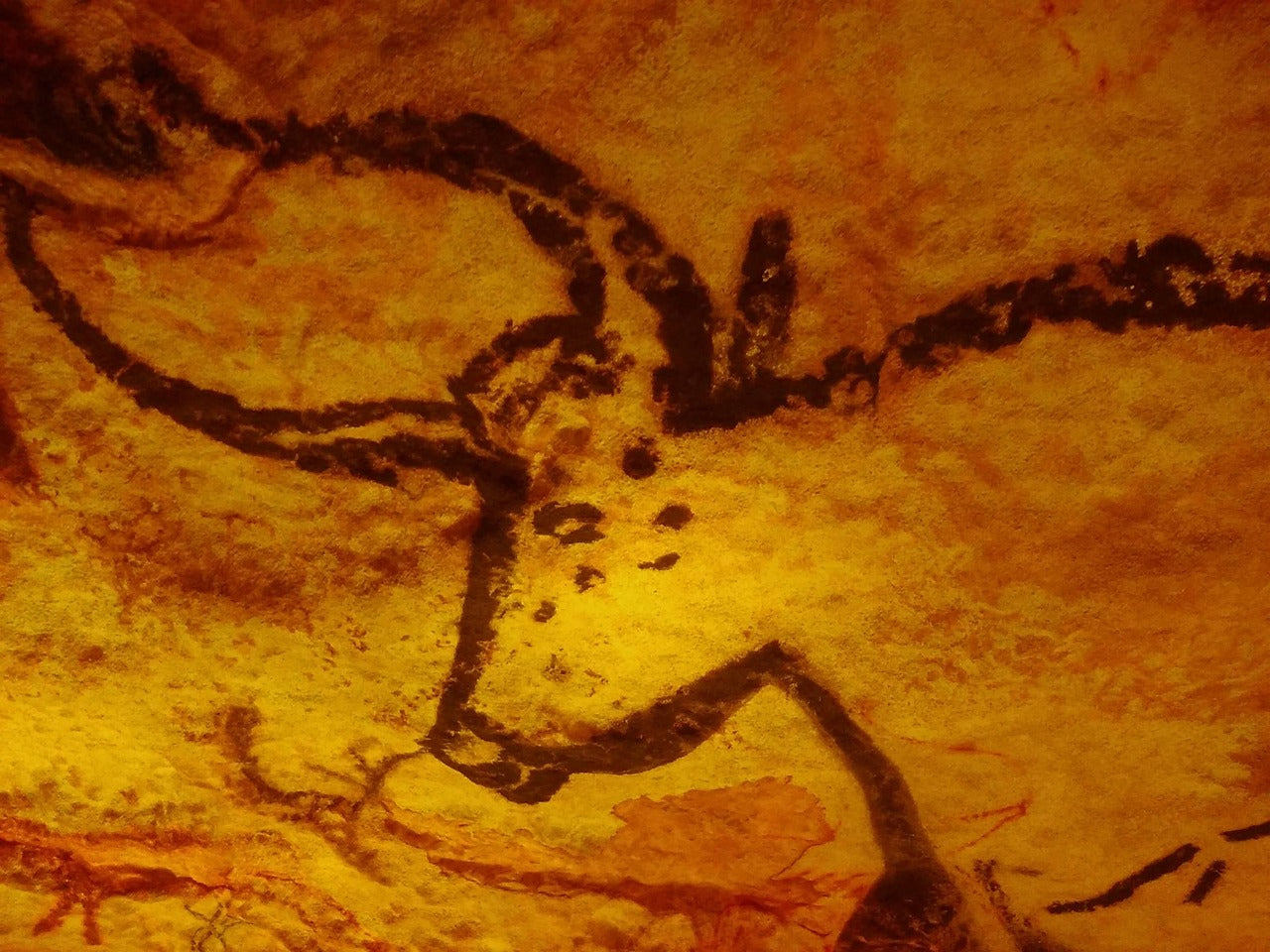
Paleolithic Diet: A Quick Dive into Science
The paleo diet will be familiar to many: less bread, more berries, and a generous portion of meat or fish. Some people swear by it—eating like our distant ancestors, because that is supposedly what our bodies function best on. Others argue that anything labeled a “diet” does not work at all. Related debates have been ongoing for decades, particularly since the 1970s. We recently devoted a blog to this topic. Scientists are also increasingly taking “paleolithic” eating seriously and have been trying for some time to determine whether ancestral diets are truly healthier. Below, we take a closer look at the current scientific evidence.
Evolution is adaptation
In the past, paleo has often been portrayed as a one-to-one return to a single prehistoric way of eating. Reality was far messier. Paleontologists do not find a fixed pattern. Depending on the region, people ate very different foods. In plant-rich forests, meals included tubers and roots. In colder regions, survival depended on animals and their migration patterns. Along the coast, people ate a lot of fish, shellfish, and seaweed—hardly a bad idea, even today.
Modern paleo diet concepts are therefore rarely a faithful replica of the past. A core principle is eating as little processed food as possible: plenty of vegetables, fruit, nuts, seeds, meat, fish, and eggs, but no grains, no legumes, no dairy, and certainly no cookies. The idea is that our bodies still function best on the type of food we ate before agriculture and industrial food production. It sounds logical, but it remains important to examine what science has to say.
Weight loss
When it comes to weight loss, the paleo diet performs well in studies. People who eat “ancestrally” tend to lose more weight on average than those following a standard low-fat diet or more conventional dietary advice. Their waist circumference often decreases more as well, which is beneficial, since excess abdominal fat is a well-known risk factor for many diseases.
What makes this interesting is that the effect is not solely due to lower calorie intake. It is largely about what people eat. Protein and fiber help you feel full more quickly and for longer, so you naturally eat less without constantly feeling deprived. The difference is not only visible on the scale—metabolic processes also improve. Mechanisms involved in overweight and obesity often improve alongside weight loss.
Blood sugar and insulin
Blood sugar regulation is another frequent topic in discussions about the paleo diet. Several studies show that people who eat paleo-style diets have more stable blood glucose levels and improved insulin sensitivity. This is particularly relevant for people at risk of type 2 diabetes.
Among people who already have diabetes, positive changes have also been measured, such as lower fasting blood glucose and sometimes improved outcomes on other measures of glucose regulation. These effects are often comparable to those seen with other healthy diets, such as the Mediterranean diet or diets specifically designed for diabetes management. Paleo can therefore be effective, but it does not necessarily outperform other well-designed dietary patterns.
A key factor seems to be the exclusion of processed foods. These foods are energy-dense but nutrient-poor, causing sharp spikes in blood glucose followed by pronounced dips. Such fluctuations appear to be a major contributor to health problems, especially over the long term.
The higher protein intake typical of paleo diets also helps preserve muscle mass. In addition, protein can contribute to more stable blood sugar levels by slowing carbohydrate absorption and reducing glucose spikes.
Blood pressure and cholesterol
The paleolithic diet has also been studied in relation to cardiovascular health. Multiple studies show reductions in both systolic and diastolic blood pressure. Total cholesterol and LDL cholesterol (“bad” cholesterol) often improve as well.
Why does this happen? Likely due to a combination of factors. The diet is low in sugar and trans fats and rich in healthy fats from fish, nuts, and seeds. This improves the balance between omega-3 and omega-6 fatty acids, which influences inflammatory processes in the body. Chronic inflammation plays a significant role in cardiovascular disease, and even small improvements can make a difference.
Longevity
Large population studies have also examined broader “ancestral-style” eating patterns. In these studies, people do not strictly follow a paleo diet but mainly eat unprocessed foods and plenty of whole, nutrient-dense products—key ideas central to the paleo philosophy.
These studies show that people who eat this way tend to live longer and often have a lower risk of dying from cancer. Some data suggest a reduced risk of heart disease as a possible explanation. While it is difficult to prove causation, the overall picture is coherent: eating fewer processed foods appears to be beneficial for conditions strongly associated with aging.
Possible risks
Going paleo can therefore be a good option, but as with many diets, scientific limitations apply. The short duration of many studies means that long-term effects remain unclear. Small sample sizes make results harder to generalize, which calls for caution when drawing firm conclusions.
In practical terms, this means building in flexibility. Do not replace grains, legumes, or dairy products without considering your intake of calcium and vitamin D. Changes in fiber intake can alter the gut microbiome, which is not always beneficial, and the long-term consequences are still being studied.
In short: see how paleo fits you, but stay flexible
Scientific research from the past five years suggests that the paleo diet differs from the classic Western diet in several key areas. Weight loss is common—sometimes rapid, sometimes gradual. Blood sugar levels tend to decrease, as do certain blood lipid values. Similar patterns are also seen with other dietary approaches that emphasize fresh vegetables and whole foods.
Paleo likely works through a few essential principles that are each worth considering on their own: unprocessed food, higher nutrient density, and a protein-rich composition that promotes satiety. All of this should be adapted to your changing daily needs. Finally, people who eat more consciously also tend to sleep and move more consciously—and these general lifestyle factors play an important role as well.
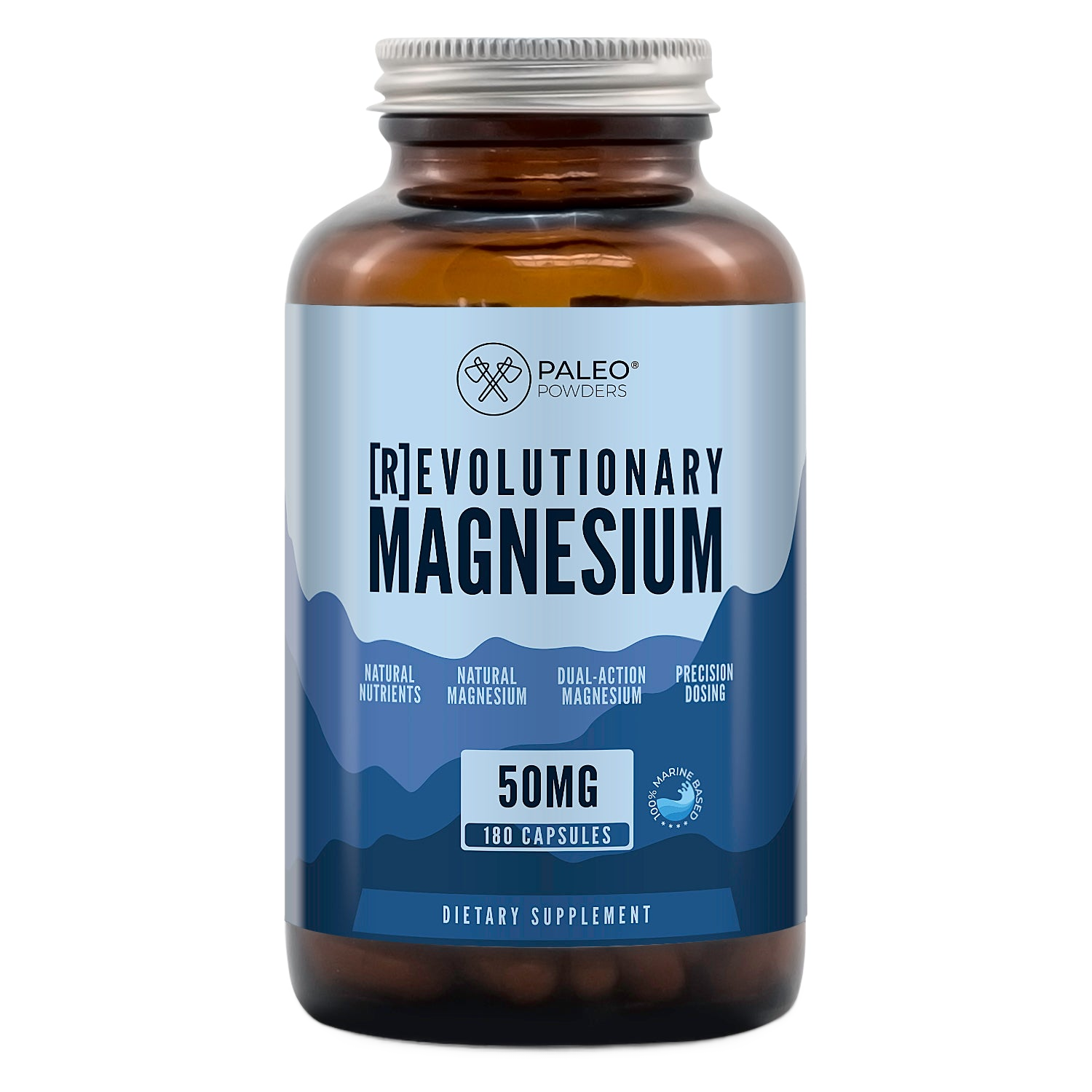
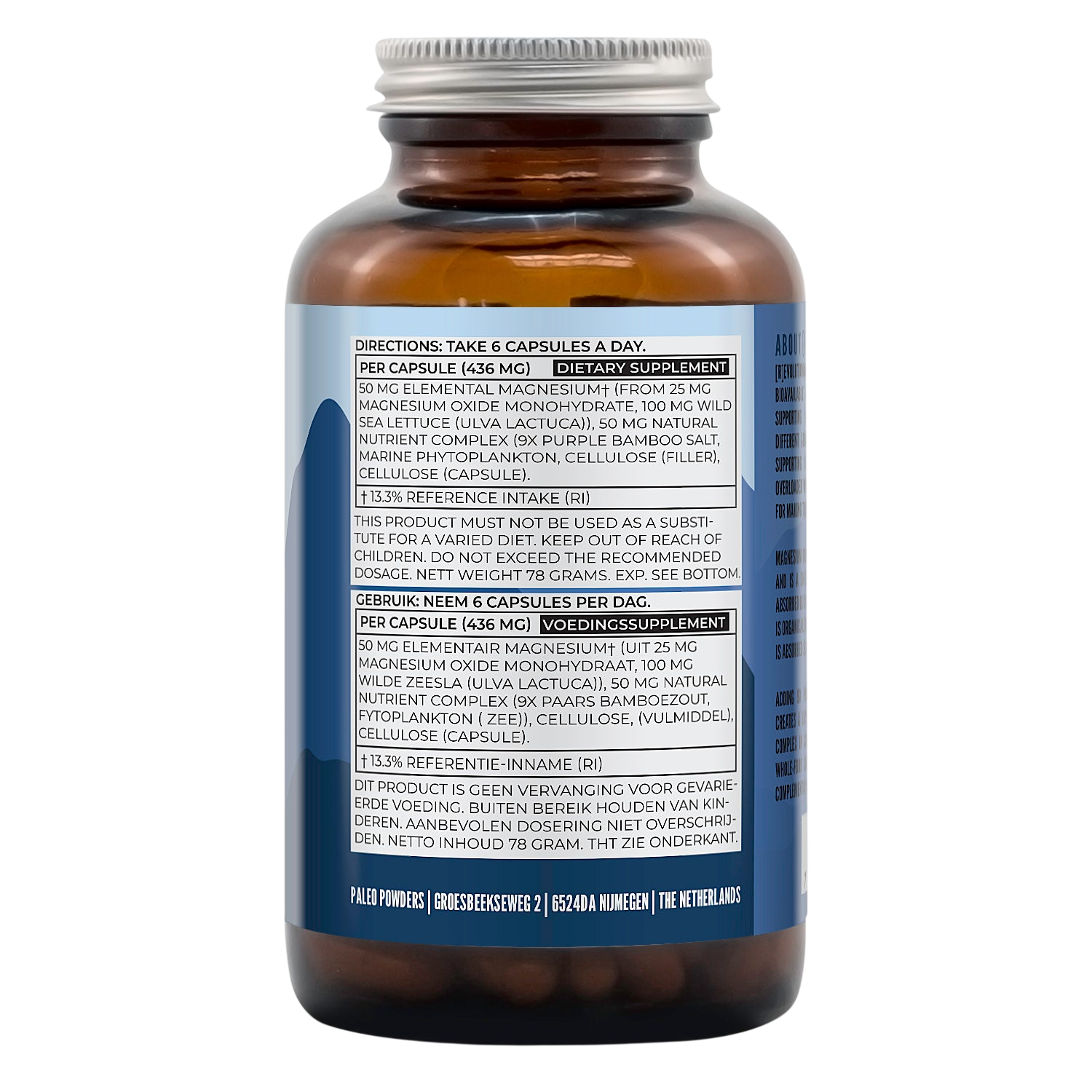
Magnesium - 100% Natural


Read more

Just hang in there: what a cold plunge can do for you
The concept is as simple as it is uncomfortable: briefly immersing your body in cold water. Besides a mental exercise (proving to yourself that you can tolerate the discomfort), research shows that...
Read more
Chrononutrition: Eating according to your biological clock
Chrono-nutrition is a relatively young field within nutritional science that focuses on one simple question: when do we eat? Instead of looking only at what is on the plate or how many calories we...
Read more