
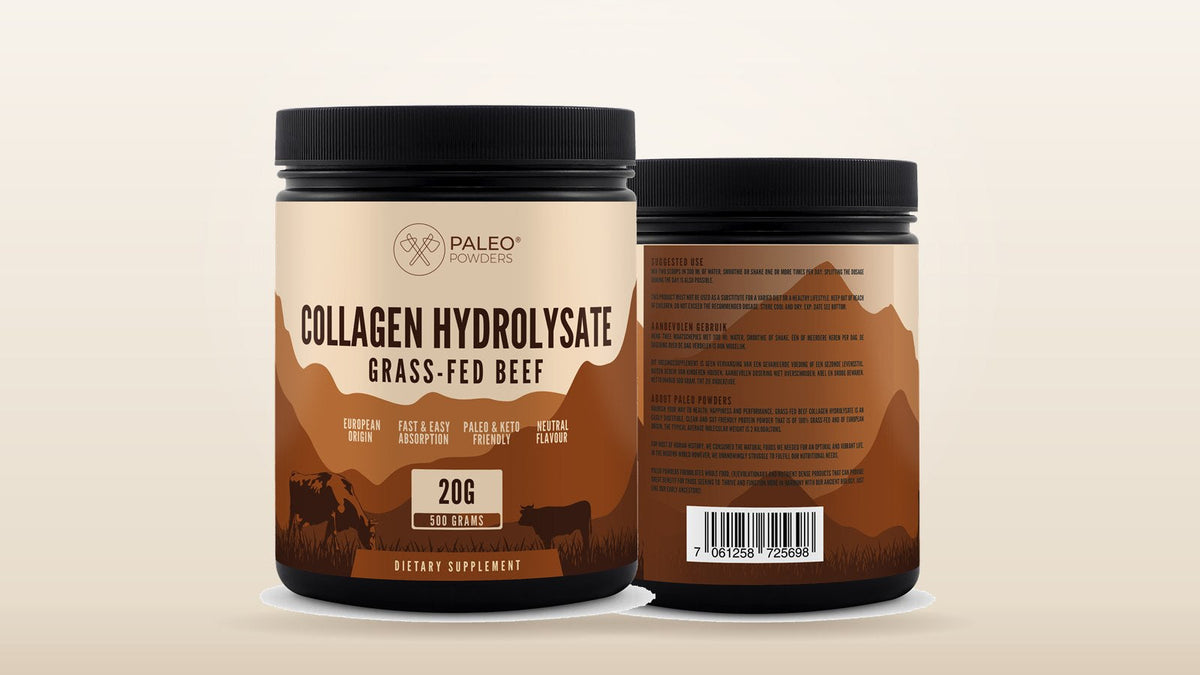
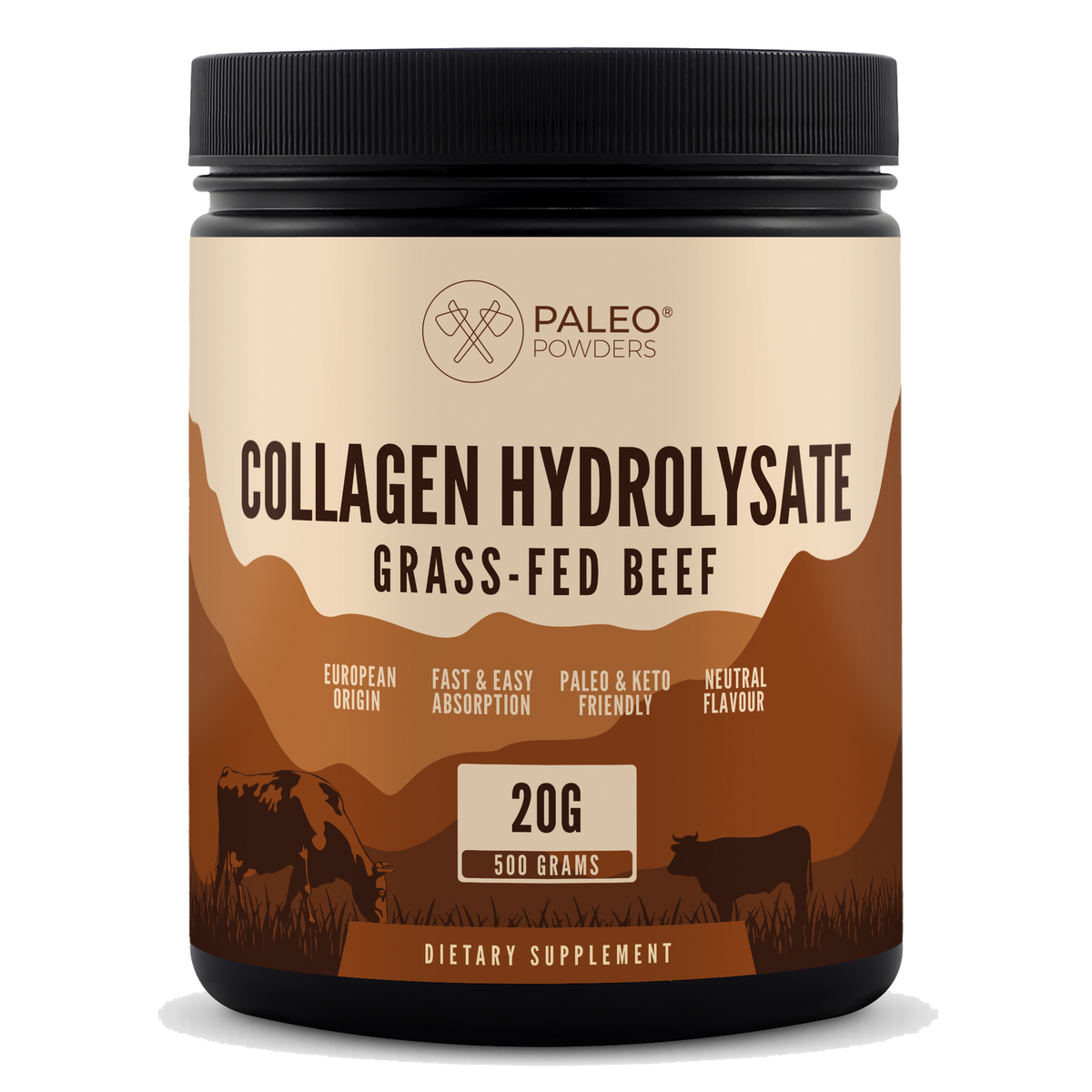
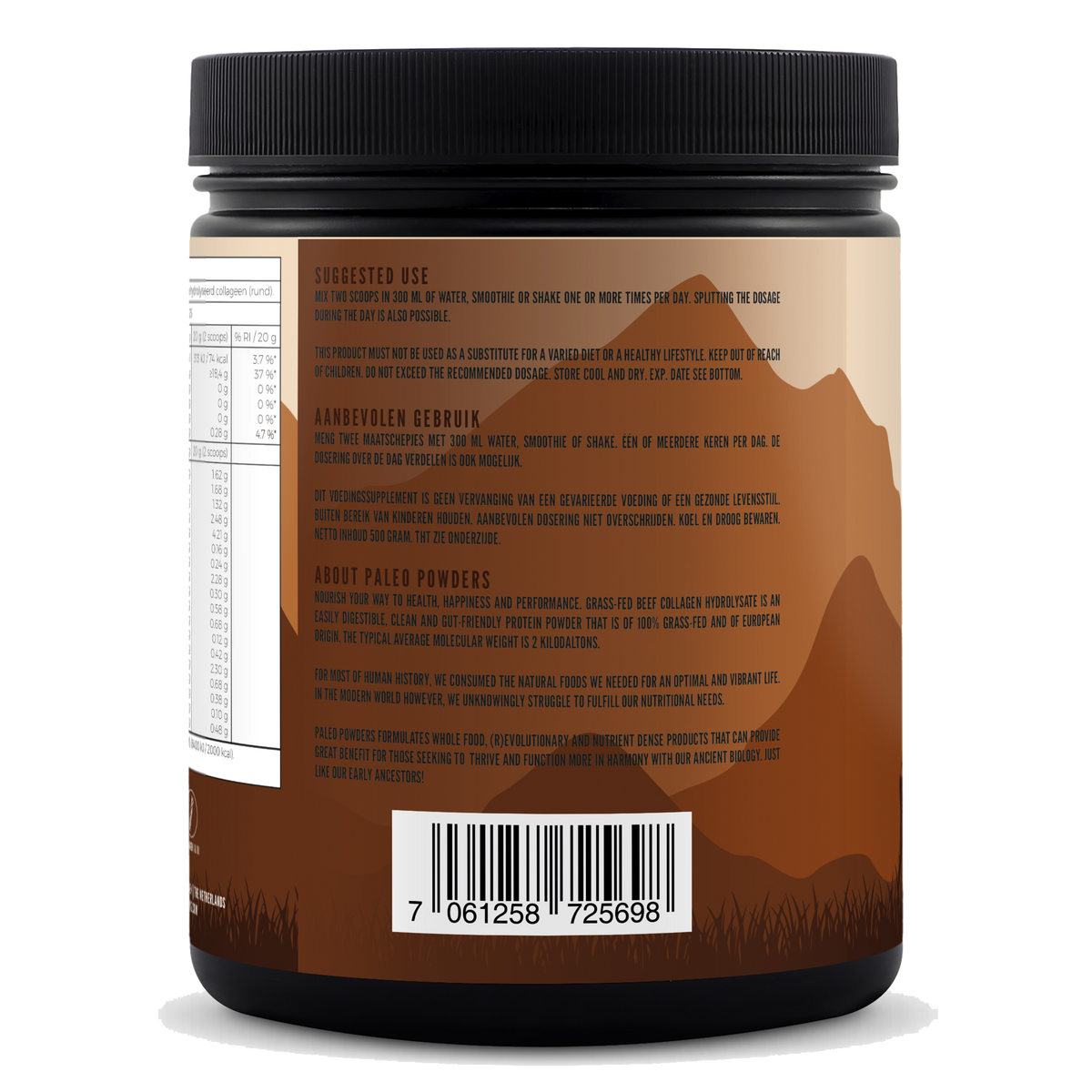
Collagen Hydrolysate - Grass-Fed
Collagen Hydrolysate is the ultimate nutricosmetic supplement! More than 70% of the proteins in your skin consist of collagen. But collagen is not limited to the skin – it is found practically everywhere in your body. Collagen acts as the "cellular glue" that holds all your connective tissues together.
The versatile role of Collagen Hydrolysate
So collagen shapes not only your appearance, but also how you feel and how well your body functions.
An adequate daily intake of collagen fits the dietary pattern our body is adapted to through evolution.
Benefits of Collagen Hydrolysate:
- Neutral taste and easily soluble
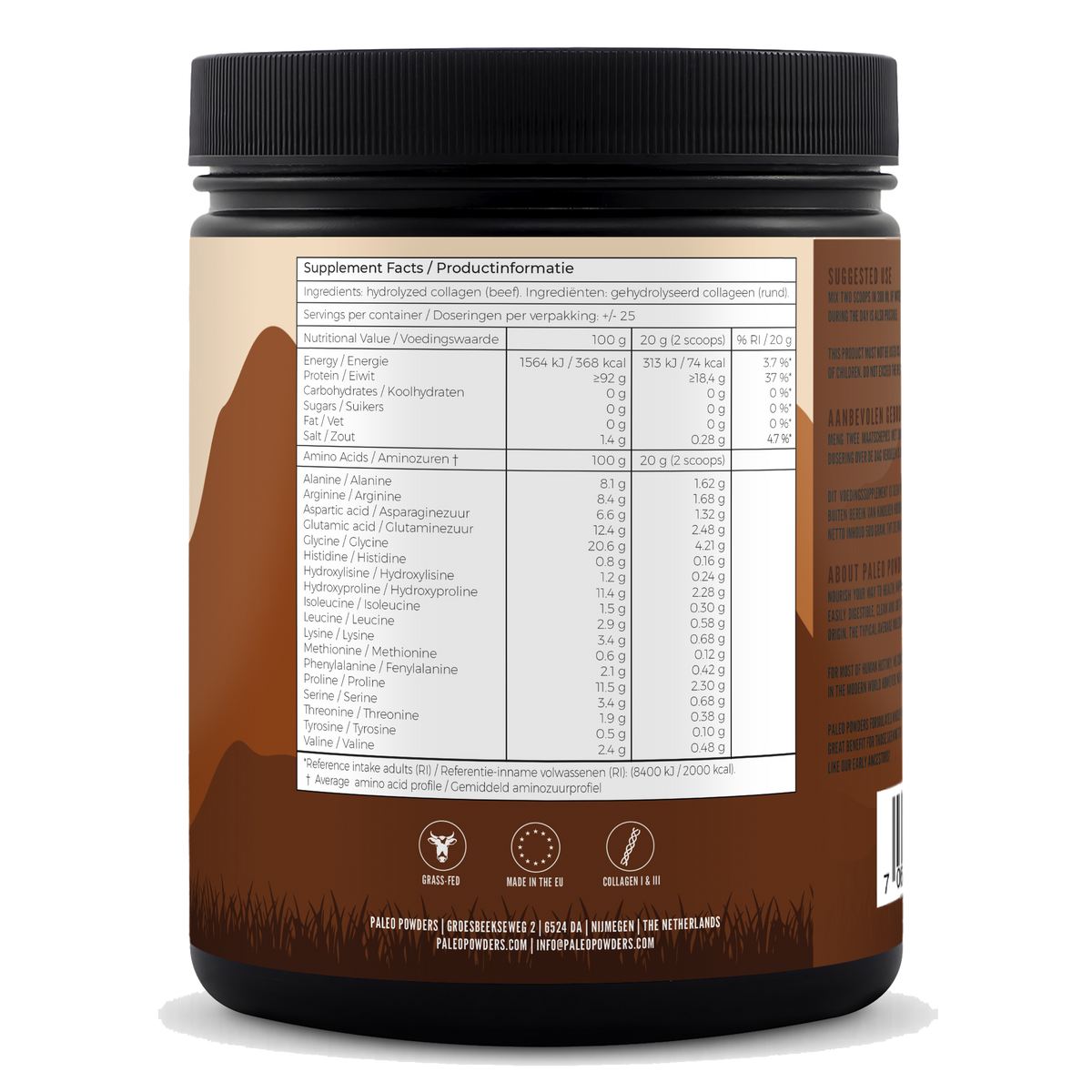
- Rich in amino acids such as glycine, proline and hydroxyproline
- Perfect for a keto diet: contains 0 grams of sugar
- Contains collagen types I and III
- More than 95% protein per serving
- Produced in Europe, guaranteed quality
- From grass-fed European pasture-raised cattle
- Each jar contains 500 grams
Why do you need collagen?
- Just like muscles, bones and even your brain, the collagen in your body needs nutrients and stimuli.
- From around the age of 40, collagen production drops by about 25%. By around 60, it is even more than half lower than at a young age. So time is not on your side here.
- Collagen helps balance the modern diet. These days we mainly eat lean muscle meat, which is rich in L-methionine and low in glycine. Collagen has exactly the opposite profile: low in L-methionine and high in glycine.
Upgrade yourself from within with Collagen Hydrolysate
You can increase your collagen intake in several ways, such as by eating bone broth, stews or cuts of meat with plenty of connective tissue. A practical alternative is a high-quality collagen hydrolysate powder from grass-fed, pasture-raised cattle. This is an easy way to supplement your diet with important amino acids.
Glycine, lysine & (hydroxy)proline
Collagen does not contain all essential amino acids and is therefore an incomplete protein. But the amino acids it does contain are particularly valuable – especially glycine. Glutamine, lysine and (hydroxy)proline also play an important role. The amino acid profile of collagen differs greatly from that of lean meat, and together they complement each other perfectly. Probably exactly as nature intended! Muscle meat is high in L-methionine and low in glycine, whereas collagen is rich in glycine. A good balance between these amino acids therefore makes sense.
Paleo and keto approved
Collagen Hydrolysate is made from paleo-approved raw materials and fits perfectly into a ketogenic diet, as it contains 0 grams of sugar. With the high-quality nutritional value of European grass-fed cattle, the powder is not only nutritious but also practical to use. Adding collagen to your diet in a paleo-responsible way has never been easier. Collagen Hydrolysate is also easy to digest and is absorbed quickly.
100% European origin
Our collagen peptides come from grass-fed European pasture-raised cattle. In winter, the cows still receive natural feed in the form of silage (fermented grass) or hay. Supplementary feed is only used when it is truly necessary for animal health. By sourcing in Europe, we increase sustainability and transparency. Paleo Powders Collagen is therefore a conscious choice in terms of quality, environment and animal welfare – unlike collagen from intensive factory farming or from America and Asia.
Made from nutritious bones
Our collagen is produced from high-quality bovine hide, which is hydrolysed naturally and gently with enzymes. The result: peptides with a low molecular weight of 3–6 kDa that are highly soluble and have a neutral taste. That makes them ideal for shakes, smoothies and recipes. Thanks to the low molecular weight, they are absorbed quickly and efficiently. With more than 95% protein per serving, our collagen is as pure and high-quality as possible.
Quality matters
Not all collagen powders are of the same quality. In 2020, the Clean Label Project tested 30 collagen products for heavy metals such as arsenic, cadmium, lead and mercury. The results showed that all products were within the safe limits for mercury, but that 34% contained measurable traces, 37% high concentrations of lead and 17% high concentrations of cadmium.
Choosing animal-friendly and sustainable European sources avoids a large part of this risk. The report emphasises that contamination often stems from concentrated animal feed and intensive production. Air pollution also plays a role, but this can largely be prevented with the right processing methods.
Tested for heavy metals
Quality control, safety and transparency are essential to us. Every batch of collagen is double-tested in an independent laboratory. This is how we guarantee quality. The typical heavy-metal values in our Collagen Hydrolysate are:
- Arsenic (As) < 0.10 mg/kg = < 0.1 PPM
- Cadmium (Cd) < 0.01 mg/kg = < 0.01 PPM
- Lead (Pb) < 0.05 mg/kg = < 0.05 PPM
- Mercury (Hg) < 0.005 mg/kg = < 0.005 PPM
Differences between Collagen, Bone Broth & Kefir
| Collagen Hydrolysate | Bone Broth | Kefir Whey |
| Neutral taste | Mildly savoury | Creamy |
| Fast absorption | Normal absorption | Fast absorption |
| Hydrolysed | Not hydrolysed | Semi-hydrolysed |
| Collagen types I & III | Types I to V | No collagen |
| Enzymatic | Slow-simmered | Fermented |
| 95% protein | 98% protein | 90% protein |
| 95% collagen | 78–84% collagen | 0% collagen |
| No dairy | No dairy | Dairy (whey) |
| 0% fat | 2–5% fat | 0% fat |
| 0% sugars | 0% sugars | 0% sugars |
| Glycine 21.6% | Glycine 20% | Glycine 1.5% |
| BCAAs 7.42% | BCAAs 8.4% | BCAAs 23.75% |
| Hydroxyproline 10.6% | Hydroxyproline 10.2% | Hydroxyproline 0% |
| From hide | From meaty bones | From milk |
| No glucosamine | Contains glucosamine | No glucosamine |
| No chondroitin | Contains chondroitin | No chondroitin |
| No hyaluronic acid | Contains hyaluronic acid | No hyaluronic acid |
Primal background
Our ancestors ate far more collagen than we do now. They consumed the whole animal – from skin and tendons to gelatinous parts. "Nose-to-tail eating" was normal, for land animals as well as sea animals. Today we mainly eat lean muscle meat and therefore far less collagen.
Migration: more animal foods
When hunter-gatherers moved from the equator to colder regions, the availability of plants decreased. This was compensated for with animal foods. Whereas early communities obtained about 50% of their diet from animal sources, for modern hunter-gatherers it is around 60%.
The nose-to-tail concept
Eating only lean muscle meat without the fats, organs and collagen-rich tissues would not have been enough to survive in prehistoric times. Today we prefer tender meat and leave the tougher, collagen-rich parts aside. So the difference with earlier consumption is large. Vegetarians and vegans get even less collagen, which can make supplementation especially worthwhile.
Fascinating collagen dynamics
Collagen responds to mechanical load on the body, such as during movement and sport. The structure in, for example, the cartilage of your knees changes with every step. As with muscles and bones, the rule here is: "Use it or lose it." Plenty of varied movement helps keep collagen tissue strong and functional.
Synergy between collagen & water
After water, collagen is the most abundant substance in your body. Collagen consists of about 60% water. Water molecules bind tightly to the helix structure of collagen and help determine its function and quality. That is why hydration, healthy mitochondria and enough clean water are essential for your collagen.
Hierarchy of health factors
Besides nutrition and exercise, sleep, sunlight and contact with the earth are also important lifestyle factors for your collagen. Sleep provides recovery, sunlight (especially around sunrise and sunset) provides red and infrared light, and "earthing" supplies the connective tissue matrix with electrons from the earth.
The most abundant protein
Collagen is the most abundant protein in the animal kingdom. There are at least 16 types, of which types I, II and III make up 80–90%. In cells, actin is the most abundant protein and crucial for countless functions. In plants it is RuBisCO, an enzyme responsible for photosynthesis that occurs in enormous quantities worldwide.
Collagen Hydrolysate in summary
Collagen Hydrolysate is more than a supplement for your appearance. Collagen is an essential building block of skin, bones, joints and connective tissue. Beef collagen is also an excellent alternative to fish collagen, especially for people with allergies. Thanks to its high protein content, unique amino acids and easily digestible structure, collagen is a valuable addition for almost everyone.


Read more
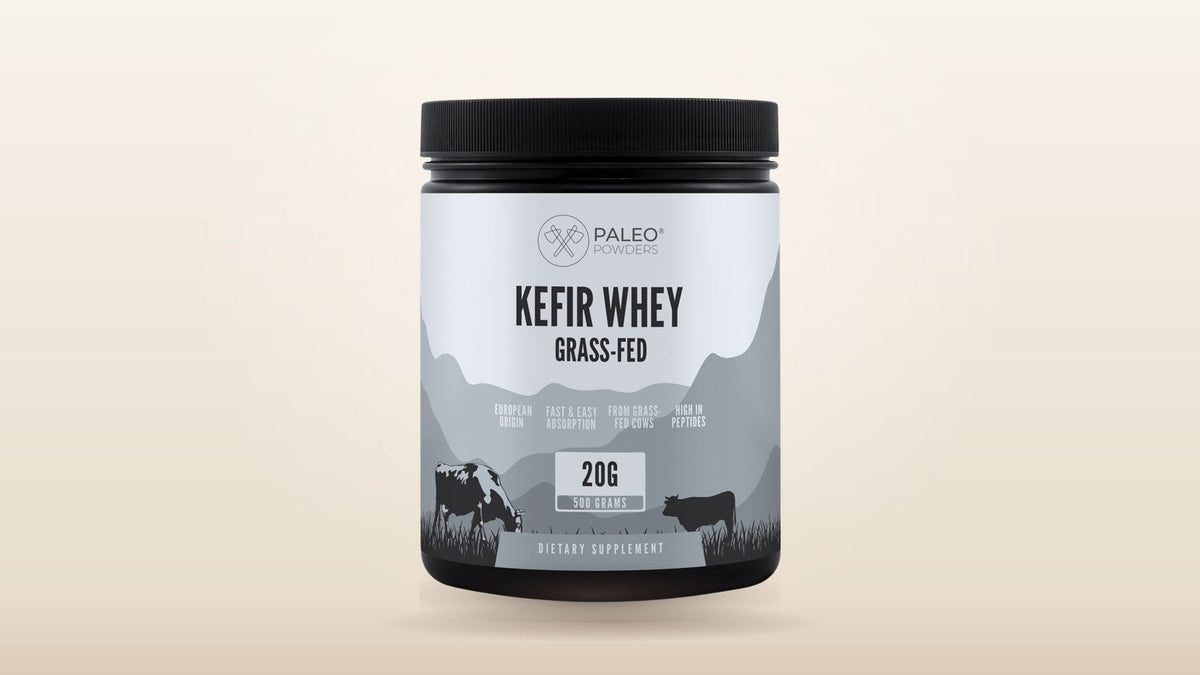
Kefir Whey - Fermented Protein Powder
Have you ever heard of a protein powder that is not only good for your muscles, but also for your intestinal flora and the rest of your body? That is exactly what our Kefir Whey offers! Kefir Whey,...
Read more
Beef liver is without doubt one of the most nutritious foods there is! It is packed with an extensive and unique micronutrient profile that nourishes our body in many ways. Each capsule contains 43...
Read more