


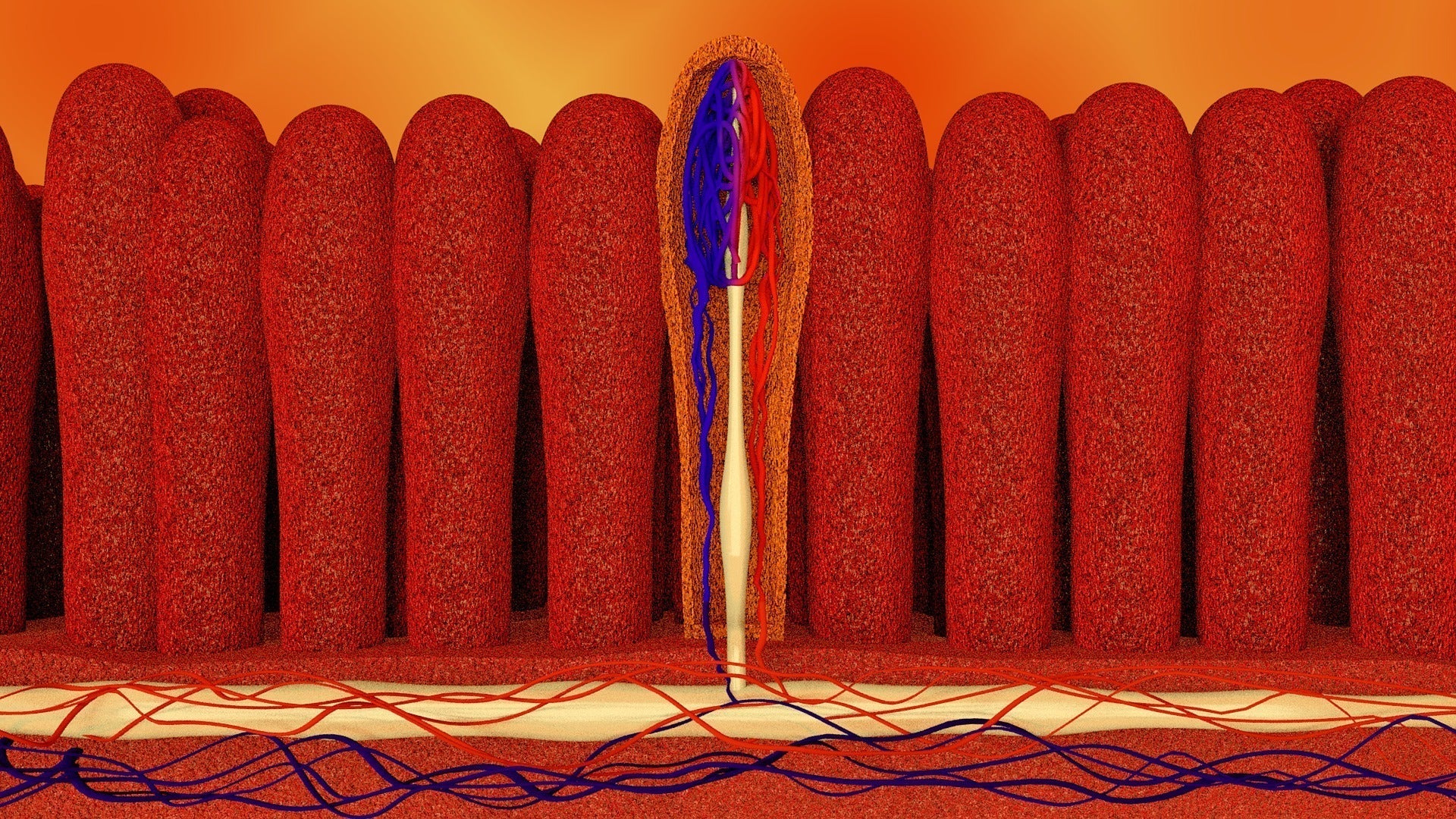
Gut Repair: Back to Real Food
Many people recognize it: a bloated stomach after eating, irregular bowel movements, reflux, or the feeling that certain foods suddenly no longer agree with them. For a long time, these complaints were considered “normal.” Yet more and more people are realizing that our gut is under pressure and that diet plays a key role.
If you look honestly at the modern diet, it becomes clear why. The Western eating pattern largely consists of processed products: snacks, ready-made meals, sugary drinks, and industrial fats. Convenient and cheap, but often a poor choice for our digestive system.
What Happens in Your Gut
Your digestive system is home to a vast community of bacteria: the gut microbiome. These bacteria do much more than simply digest food. They influence your immune system, help produce vitamins, and can affect your energy levels. When this microbiome becomes imbalanced, symptoms may arise. This condition is called dysbiosis: less beneficial bacteria begin to dominate over the helpful ones.
Factors such as high sugar intake, refined carbohydrates, industrial oils, artificial additives, and past antibiotic use can accelerate this process. Long-term consequences may include bloating, irritable bowel syndrome, reflux, and food intolerances.
Research is increasingly focused on how these factors affect specific parts of the microbiome. Certain bacteria, for example, produce substances that are essential for repairing and protecting the intestinal lining, such as short-chain fatty acids. These compounds provide energy to intestinal cells, strengthen the mucus layer, and help reduce inflammation. Bacteria such as Akkermansia muciniphila are particularly important in this process. Studies in animals and humans show that higher levels of this bacterium can strengthen the intestinal barrier and may support better metabolism and a healthier immune system.
Why a “Reset” Can Help
If your gut has been irritated for a long time, it may be beneficial to give your body some rest. Many people choose an eating style closer to traditional diets, such as an ancestral or paleo approach. The idea is simple: first remove what may cause harm, then rebuild with foods that support recovery.
First: Avoid Triggers
Temporarily avoid foods that may irritate the gut, such as:
- Industrial vegetable oils
- Highly processed products containing emulsifiers
- Artificial sweeteners
- Sugar
- Ultra-processed snacks and fast food
Some people also temporarily eliminate gluten, dairy, or FODMAP-rich foods. Especially for sensitive digestion, this can make a noticeable difference and allow the intestinal lining to calm down.
Then: Recovery Foods
Once the main triggers are removed, the focus shifts toward recovery:
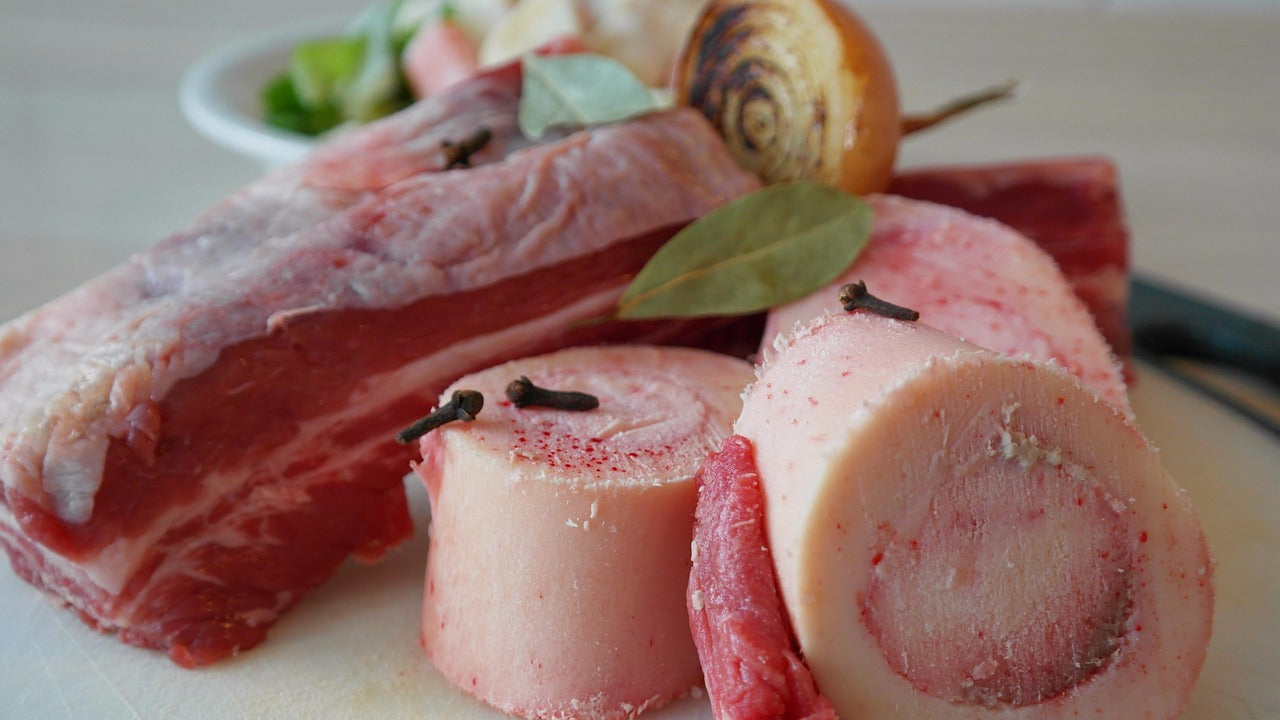
- Bone broth contains gelatin and collagen, which may support the intestinal lining.
- Fermented foods such as sauerkraut, kimchi, or kefir provide bacteria that can strengthen the microbiome.
- Fiber from vegetables, fruit, and other plant foods feeds beneficial gut bacteria. For sensitive digestion, cooked or steamed vegetables are often easier to tolerate than raw ones.
Nutrition forms the foundation of gut recovery, but additional support can sometimes help. Especially after antibiotic use or long-term low fiber intake, the microbiome may struggle to recover on its own. Probiotics—supplements containing live bacterial strains—can help restore microbiome diversity more quickly. For example, raw kefir probiotics contain multiple strains also found in fermented foods. Combined with a diet rich in vegetables, fiber, and traditional foods, this may help restore balance in the gut flora more efficiently.
In addition to probiotics, eating prebiotic fibers can support recovery. These fibers serve as “fuel” for beneficial bacteria, allowing them to grow and thrive. Examples include garlic, onions, leeks, asparagus, bananas, and artichokes. Many other vegetables, fruits, and fiber-rich plants also contribute to a healthy gut flora and support regular bowel movements. People with sensitive digestion may want to start with cooked or steamed vegetables, which are often easier to digest than raw ones.
Anti-Inflammatory Foods
Diet can also help reduce inflammation. Foods rich in antioxidants and healthy fats support a healthier intestinal environment. Examples include berries, leafy green vegetables, olive oil, and fatty fish rich in omega-3 fatty acids. Including these regularly in your diet creates an environment in which gut bacteria can function optimally and inflammatory responses can decrease.
More Than Diet Alone
Chronic stress can disrupt the balance of gut bacteria and weaken the intestinal lining, increasing inflammatory responses. For this reason, it is important to consciously include moments of relaxation in daily life, such as through yoga, meditation, or other relaxation exercises.
A consistent sleep rhythm also supports recovery, as the microbiome and immune system function better when the body gets enough rest. Physical activity contributes as well: regular movement improves circulation, supports efficient digestion, and helps reduce inflammation throughout the body. By consistently applying these lifestyle changes, the intestinal barrier can become stronger and overall digestion can improve significantly.
Simplicity as the Key
Restoring gut health does not have to be complicated. Start with simple steps:
- Eat fewer processed foods
- Choose more real, whole ingredients
- Consume enough fiber
- Include fermented foods regularly
- Pay attention to stress, sleep, and movement
Many people find that their bodies respond surprisingly well to these basic adjustments. Our digestive system is resilient. Even after years of a typical Western diet, recovery is possible. There are many options: start with a few simple steps and see where they lead.
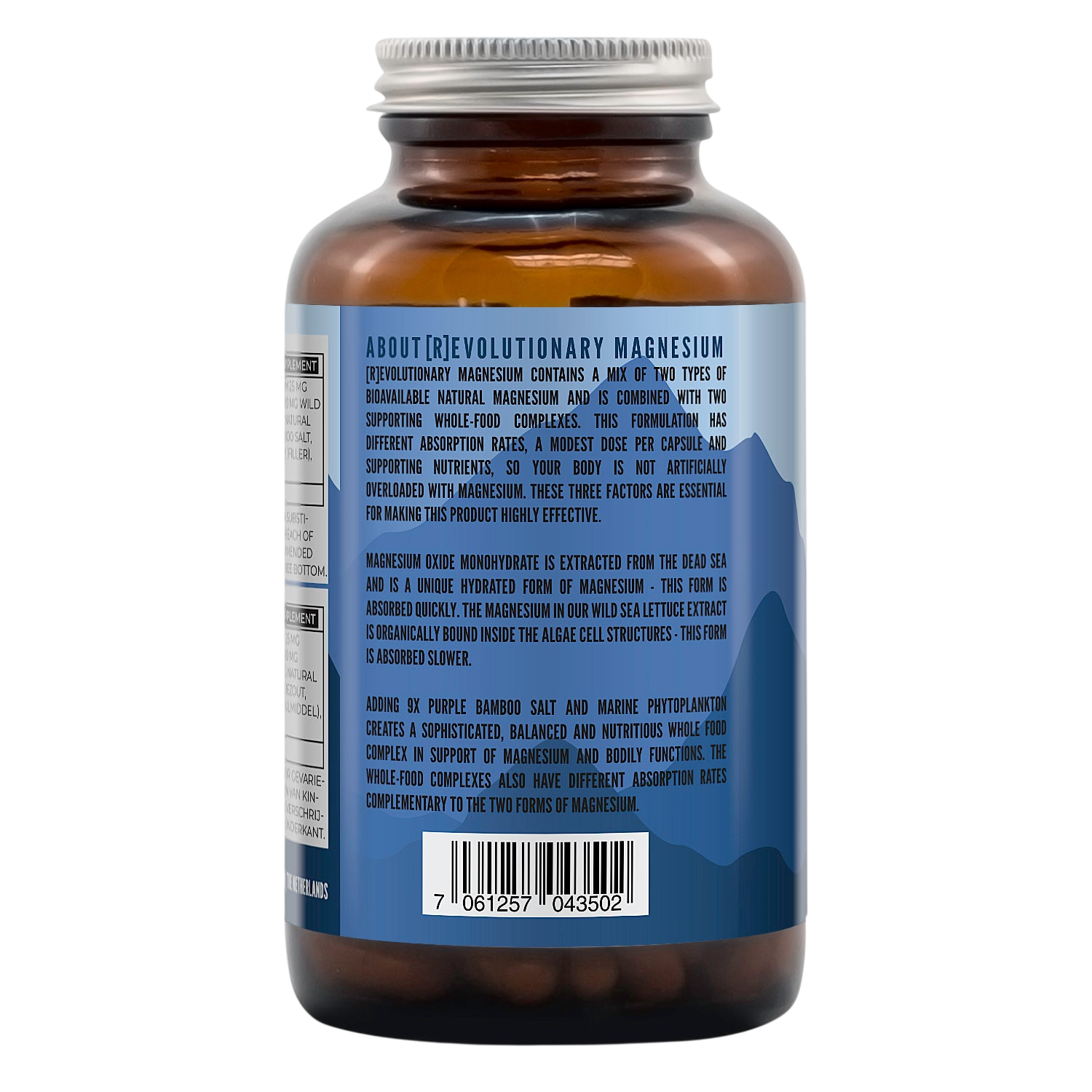
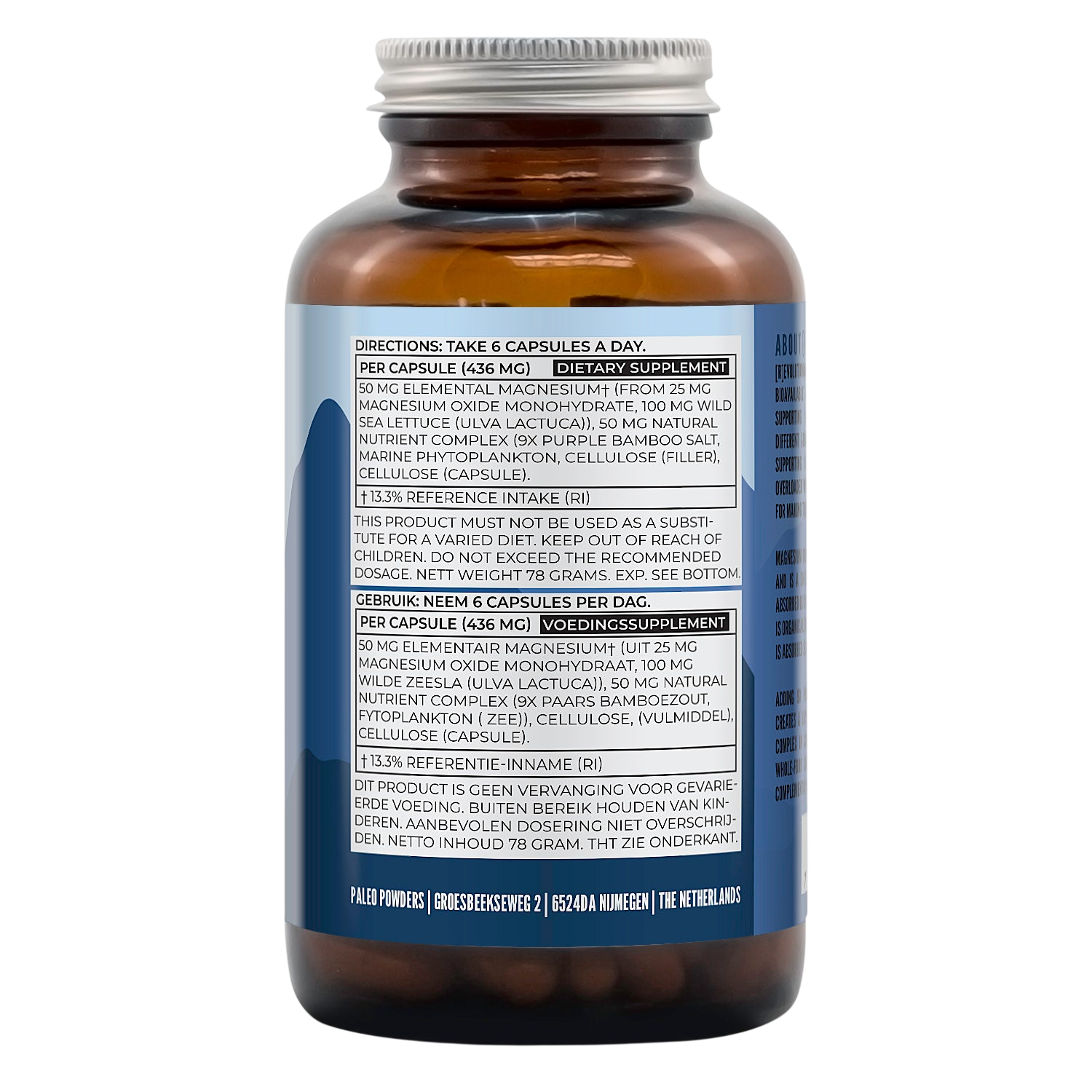
Magnesium - 100% Natural


Read more
Cholesterol and saturated fat: not a black-and-white story
For years, the story was simple. Saturated fat was bad. Cholesterol was dangerous. Butter was replaced with margarine, whole milk with low-fat variants, and eggs disappeared from many people’s dail...
Read more
Milk Cure: An early experiment with whole foods
Many milk fans will know that at the beginning of the 20th century, physician J.R. Crewe, affiliated with the Mayo Foundation (now the Institute), experimented with a strict milk diet based on raw,...
Read more