

,%20experimented%20with%20a%20strict%20milk%20diet%20based%20on%20raw,...)
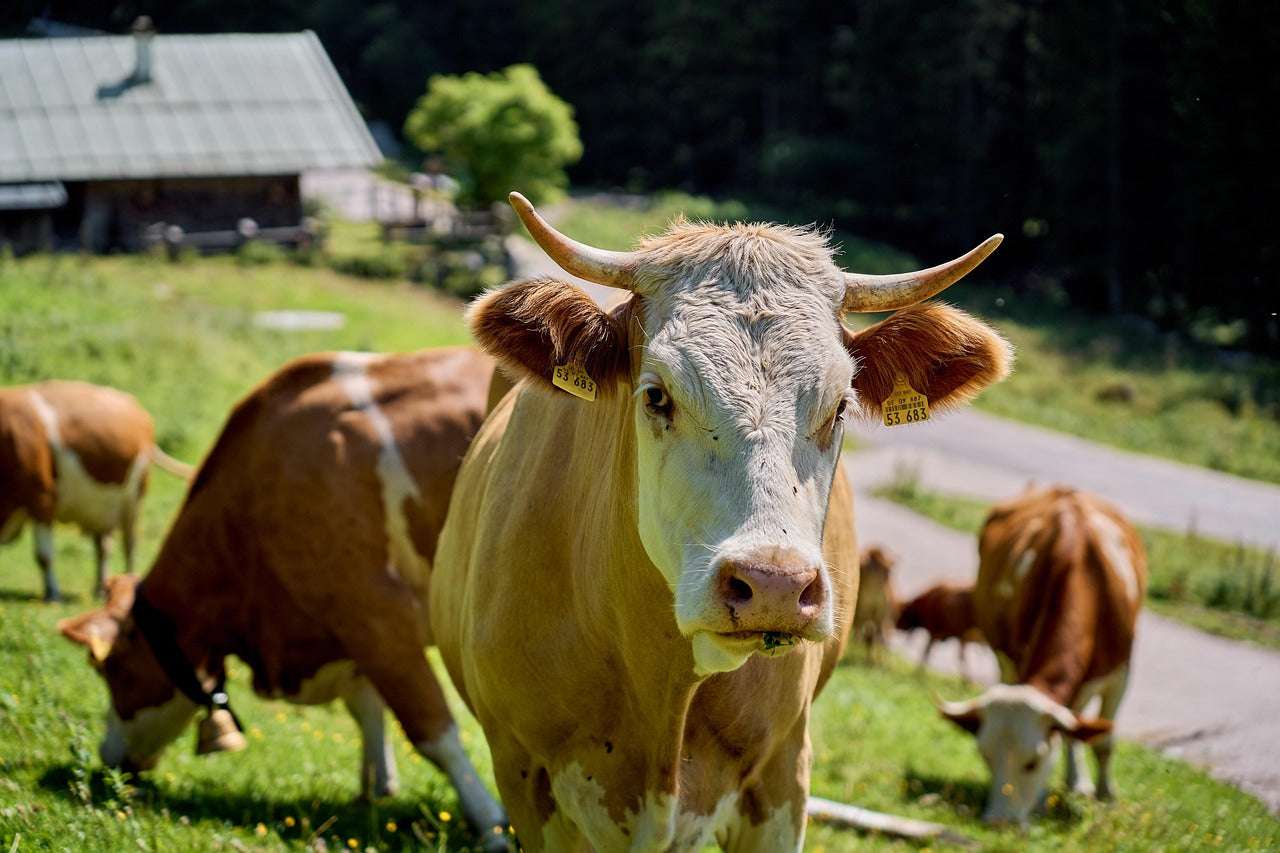
Milk Cure: An early experiment with whole foods
Many milk fans will know that at the beginning of the 20th century, physician J.R. Crewe, affiliated with the Mayo Foundation (now the Institute), experimented with a strict milk diet based on raw, whole milk from grass-fed cows. The popularity of the milk cure well into the 20th century makes one think about how we should look back on it today.
Crewe was certainly not the only one: a multitude of physicians from antiquity to 19th-century doctors preceded him. In particular, in the 1850s, it was popularized by Russian and German doctors. For example, Dr. Inozemtseff from Moscow wrote a book in 1857 titled 'Milk Cure.' Experiences based on no fewer than a thousand cases were described in it. The cure was subsequently particularly promoted by Philipp Jakob Karell (Jakobson) (1806–1886), a physician at the British embassy in Saint Petersburg who developed the first protocol. He administered it three times daily and strongly recommended using raw onions after each dose.
Crewe, Raw Milk and Health Culture
In 1929, Crewe shared his own experiences with raw milk in Certified Milk Magazine. He reported success with a raw milk diet for high blood pressure, obesity, tuberculosis, heart and kidney diseases, diabetes, enlarged prostate, psoriasis, and edema related to heart or kidney problems. The simple milk cure involved patients receiving small amounts of raw milk every half hour, totaling 5–10 U.S. quarts (5–9 liters) per day.
In fact, Crewe worked with exactly the kind of whole, minimally processed food that we now pay so much attention to: milk with cream layer, intact fat profile, natural enzymes, and a direct connection to the farm and soil. Crewe saw milk not as an ingredient but as a complete food: fat, protein, carbohydrates, minerals, and vitamins in one, in a form as close to the source as possible.
In the context of that time, this was not nostalgic back-to-the-old-days romanticism, but cutting-edge nutritional medicine. The milk cure fit seamlessly into a broader culture of spas, sanatoria, and dietary therapy, in which nutrition, rest, and environment together formed a complete medical package.
The history of the Mayo Clinic “milk cure” may therefore seem like a curiosity from a distant past, where evidence largely remained anecdotal. But anyone today engaged with whole grains, unprocessed, and minimally processed foods looks at it with somewhat different eyes.
What the Milk Cure Can Teach Us Today
We do not have to embrace the medical claims of the time to gain much from this historical example. Three points are particularly relevant for current whole-food thinking:
1. Nutrition as a Full Part of Therapy
The milk cure shows how seriously nutrition was once taken in regular hospitals. Not as “lifestyle advice on the side,” but as the core of treatment. This is exactly the direction many physicians and dietitians are moving toward again: nutrition, sleep, exercise, and stress regulation as pillars of therapy, alongside medication.
2. The Idea of Integral Nutrition
The milk Crewe used was not skimmed, not sweetened, not homogenized. It was seen as a complete package in which the cohesion of fats, proteins, minerals, and micronutrients was more important than individual substances. This closely aligns with the modern shift from “nutrient thinking” (separate vitamins, isolated fatty acids) to a focus on complete foods in their natural matrix: whole yogurt instead of light milk drinks with isolated proteins, whole grains instead of enriched white flour, whole nuts instead of isolated omega-3 capsules.
3. Simplicity and Predictability in Nutrition
A monodiet like the milk cure is not desirable or necessary for most people today. But the idea of temporarily radically simplifying—a clear, predictable pattern, lots of repetition, few processed stimuli—can be seen in modern protocols around elimination diets, “reset” programs, and breaking ultra-processed eating patterns. The core message: sometimes it can be simpler than today’s highly varied but also chaotic food supply.
The Tension Between Nature and Safety
The most controversial dimension of the historical milk cure is, of course, the use of raw milk. Today we know much more about pathogens, and pasteurization has demonstrably saved lives. At the same time, this tension highlights an important theme familiar to anyone in the whole-food world: how do you balance “as natural as possible” and “as safe as possible”?
On one hand is the modern desire for “living” foods: fermented, unprocessed, with recognizable origins and minimal industrial intervention. On the other hand is the hard science of food safety, infection risks, and vulnerable groups.
The history of the milk cure reminds us that “natural” never automatically means “safe,” but at the same time, “safe” does not automatically mean “nutritionally optimal.” The contemporary movement around minimally processed foods seeks solutions precisely in that tension: raw milk cheese combining safety and traditional process, short supply chains with transparency about hygiene, or small-scale processing that preserves as much nutritional value as possible.
From Sanatorium to Supermarket
Another relevant aspect is the environment in which nutrition was embedded. In the time of the milk cure, food therapy included:
- Quality rest
- Fresh air and often a rural environment
- Intensive observation and supervision
Today our “clinic” is often the supermarket, the meal delivery service, and the kitchen cabinet. Whole-food thinking tries to give this scattered environment more coherence: by cooking, knowing the origin of foods, structuring meal times, and being less dependent on ultra-processed products with opaque ingredient lists.
The milk cure shows an extreme example of a controlled nutritional environment: everything the body takes in is consciously chosen and simple. Precisely because our current eating landscape has become so complex and industrial, that radical simplicity captures the imagination again—not as a dogmatic model, but as a way of thinking and development.
Historical Mirror for Contemporary Trends
Compare the milk cure to contemporary movements such as:
- “Real food” and farm-to-table
- Interest in kefir, yogurt, raw milk cheeses, and other traditional dairy
- Emphasis on minimal ingredient lists and recognizable products
…and striking parallels appear. The core ideas—close to the source, minimal processing, trust in the interplay of nutrients, nutrition as medicine—have hardly changed. In fact, they have experienced a comeback for decades. What has changed is our knowledge of microbiology, our healthcare system, and our methods of measurement and evaluation. The age-old milk cure still prompts reflection.
This historical mirror is highly valuable:
- It warns against naively idealizing “the past”: not everything traditional is risk-free.
- It confirms the intuition that complete, minimally processed foods form a powerful foundation for health.
- It invites taking nutrition seriously in healthcare again, but with modern methods and safety standards.
A Nuanced Legacy for Whole-Food Enthusiasts
For those committed to whole grains, unprocessed, and minimally processed foods, the Mayo Clinic milk cure is not a blueprint to follow blindly. It is rather a historical case study with three important lessons:
- Complete, minimally processed foods can be a powerful tool in recovery and prevention.
- Any form of “back to nature” must remain in dialogue with modern knowledge about safety and risks, with supplement developers also involved.
- The core questions remain. In particular: how do we nourish the human body in a way that is both nourishing and responsible?
The milk cure is therefore not an anecdote from a dusty archive, but an early and extreme example of exactly the same quest that current whole-food and minimally processed thinking is in the midst of.
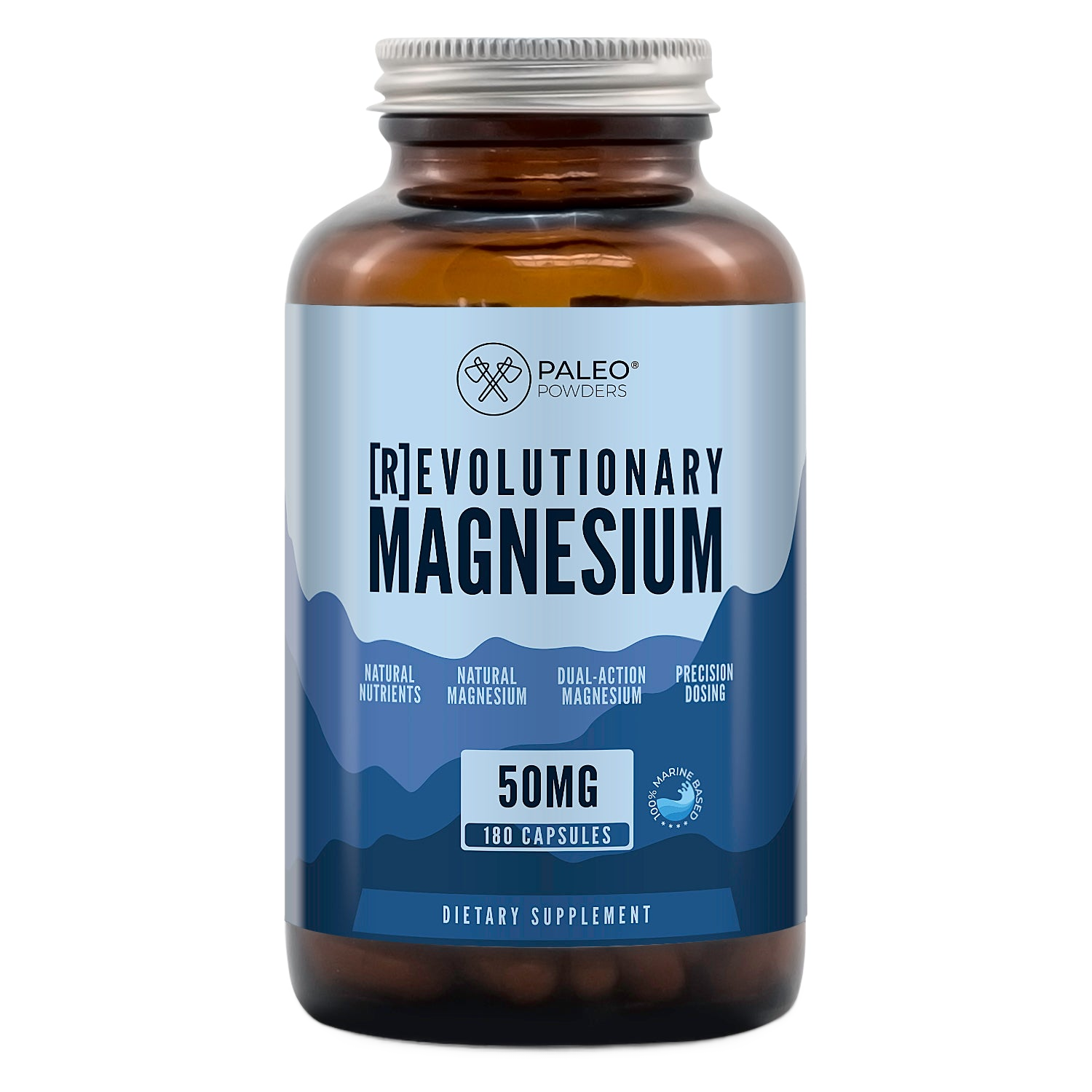
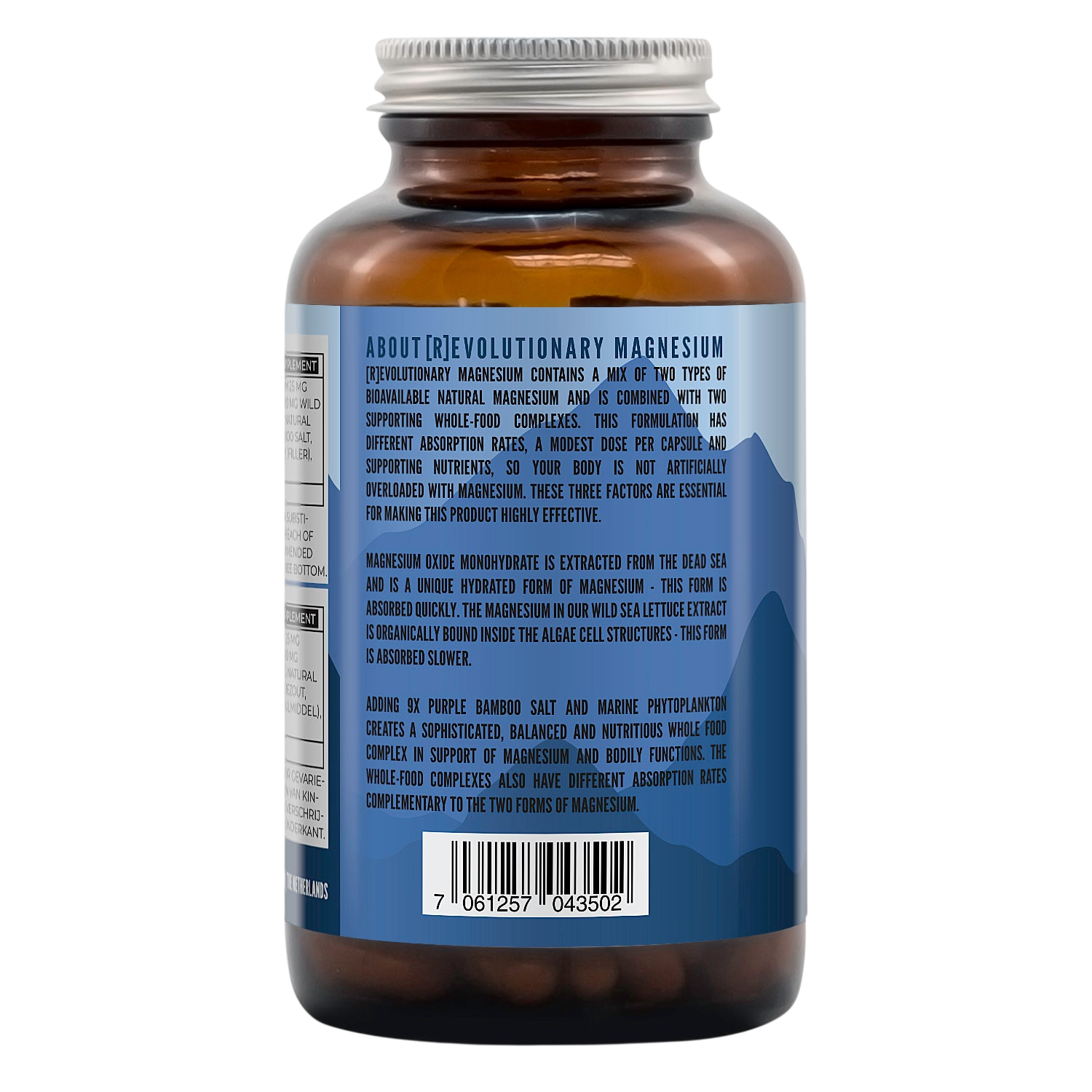
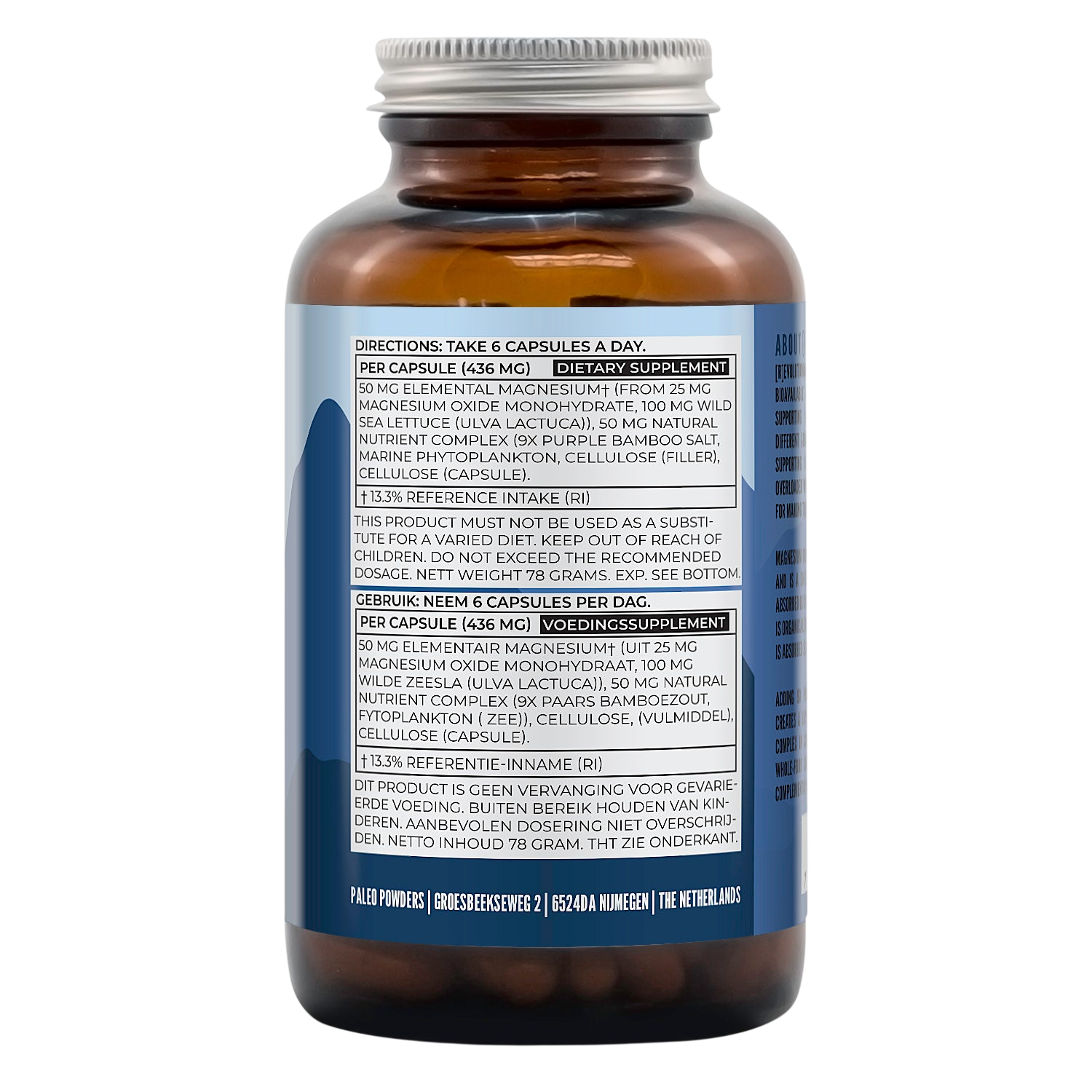
Magnesium - 100% Natural

Read more
Many people recognize it: a bloated stomach after eating, irregular bowel movements, reflux, or the feeling that certain foods suddenly no longer agree with them. For a long time, these complaints ...
Read more
Healthy weight loss with the Paleo diet: why it works
Many people notice that on a primal diet, they naturally lose weight without suffering from hunger or obsessively counting calories. How is that possible? In this blog, we explore the main mechanis...
Read more