


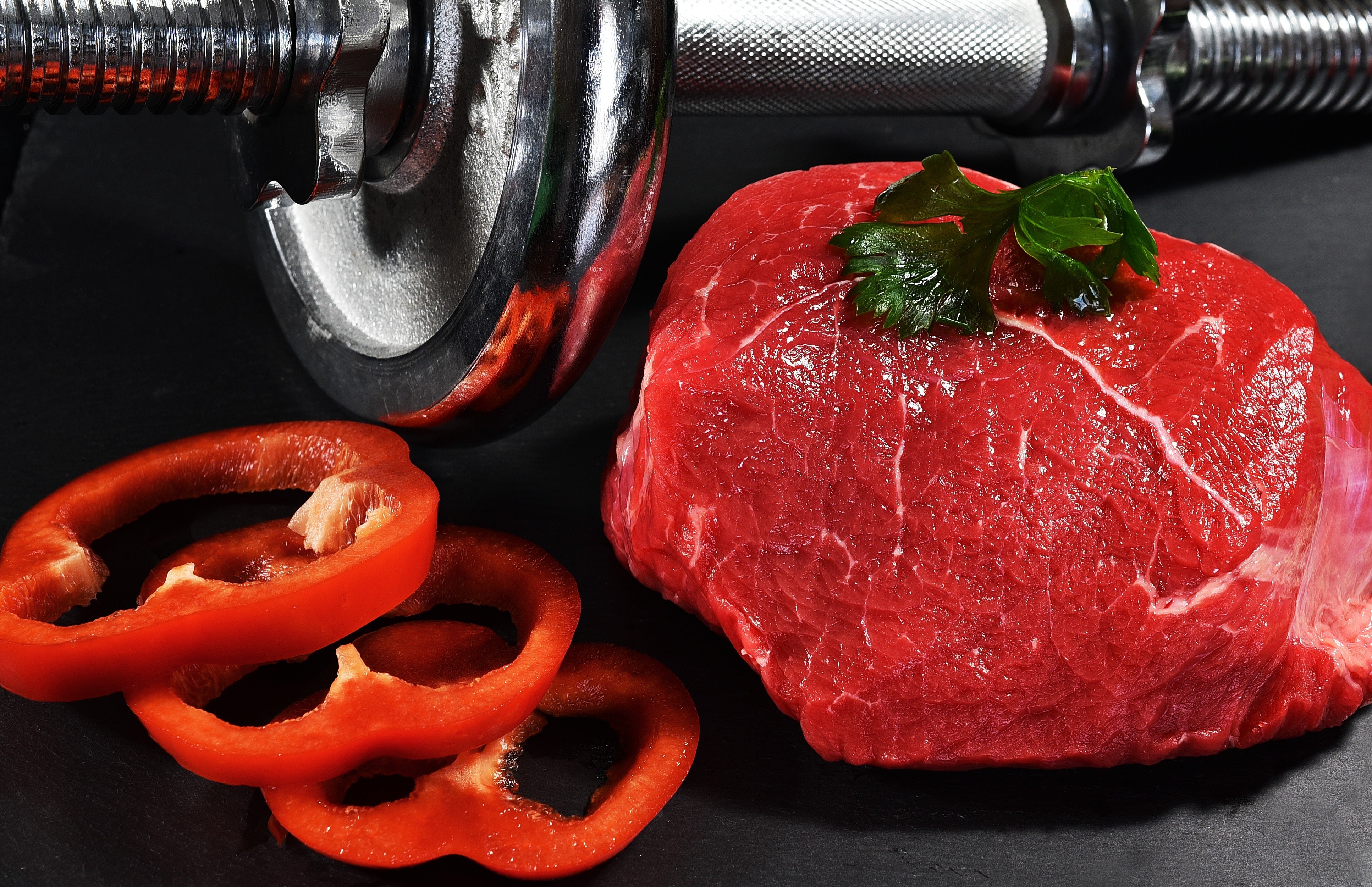
Healthy weight loss with the Paleo diet: why it works
Many people notice that on a primal diet, they naturally lose weight without suffering from hunger or obsessively counting calories. How is that possible? In this blog, we explore the main mechanisms behind healthy weight loss with the paleo diet: satiety, stable blood sugar, more nutrients, and preservation of muscle mass.
Satiety: naturally eating less without hunger
One of the biggest advantages of paleo is that it puts satiety at the center. Real, unprocessed foods rich in protein and fiber help you feel full faster and stay satisfied longer than a plate full of white bread, pasta, or cookies.
Think of:
- An omelet with vegetables and avocado for breakfast.
- A piece of salmon with a large mixed salad for lunch.
- Oven-roasted chicken with vegetables for dinner.
These types of meals contain plenty of protein, healthy fats, and fiber. Your blood sugar rises more slowly, your stomach stays full longer, and your body sends a clearer signal: “enough, I’m satisfied.” As a result, your spontaneous calorie intake often decreases naturally. You simply snack less without feeling like you are on a diet.
Research shows that people following a paleo-style diet often lose more weight and belly fat than those on traditional low-fat diets, even when they do not consciously restrict calories. The strength lies in the combination of high satiety and low processing of the food.
Stable blood sugar: off the sugar rollercoaster
A second pillar of healthy weight loss with paleo is its impact on blood sugar. By eliminating refined sugars, soft drinks, white flour products, and other fast carbohydrates, you prevent large blood sugar spikes and crashes.
What happens with a typical Western diet?
- You eat something high in fast carbohydrates (white bread, cookies, candy).
- Your blood sugar spikes.
- Your body responds with a large dose of insulin to process that sugar.
- Your blood sugar drops sharply, sometimes too sharply.
- You feel tired, irritable, and crave… more sugar.
This is the well-known sugar rollercoaster: spike, dip, craving, repeat.
With paleo, you break this cycle. You mainly eat:
- Vegetables (plenty), some fruit (preferably berries and less sweet varieties).
- Meat, fish, eggs.
- Nuts, seeds, healthy fats.
Because your blood sugar remains more stable, you produce fewer insulin spikes. Less insulin means your body spends less time in “fat storage mode” and can more easily switch to fat burning as an energy source. Many people notice that their sweet cravings drop drastically after a few weeks on paleo; the constant urge to snack disappears and a calmer, more stable energy level emerges.
More nutrients, fewer “empty” calories
Weight loss is not just about how much you eat, but also what you eat. Industrially processed foods often provide many calories but few micronutrients (vitamins, minerals, phytonutrients). These are the building blocks your body needs to function optimally.
If you consume many “empty” calories, your body can end up in a strange situation: full in terms of energy, but lacking nutrients. The result can be that you:
- Continue to feel hungry, even after eating.
- Keep craving snacks, salt, sugar, or fat because your body is searching for missing nutrients.
The paleo diet turns this around. Your plate mainly consists of:
- Vegetables in all colors (high volume, high fiber, rich in vitamins).
- High-quality protein sources (meat, fish, eggs).
- Healthy fats (olive oil, avocado, nuts).
- Optionally some tubers, fruit, and nuts as additions.
As a result, the quality of your diet increases significantly. You get plenty of vitamins, minerals, antioxidants, and protein. Your body becomes satisfied on a nutrient level, not just a calorie level. This helps normalize hunger signals: fewer “unexplained” cravings, less snacking, and more natural stopping points.
In short: as the quality of your diet increases, the quantity often decreases naturally.
Muscle preservation: lose fat, not muscle
A major downside of many crash diets and extremely low-calorie plans is that you lose not only fat but also valuable muscle mass. This is problematic, because muscle is metabolically active tissue: the more muscle you have, the higher your resting metabolism.
The high protein content of paleo helps prevent this. Protein is essential for:
- Maintaining muscle during weight loss.
- Muscle recovery and growth after training.
- A strong feeling of satiety after meals.
By consuming sufficient protein from meat, fish, eggs, and optionally some nuts and seeds, you provide your muscles with what they need to stay intact. Supplements such as collagen hydrolysate can also contribute meaningfully during weight loss: a pure protein that helps maintain the musculoskeletal system and increase satiety, with virtually no calories from carbohydrates or fat. If you combine paleo with strength training—such as squats, push-ups, weightlifting, or resistance training—you maximize the likelihood of primarily losing fat mass while building or at least preserving muscle.
Unlike crash diets that slow down your metabolism, paleo supports a strong resting metabolic rate. You lose weight while staying strong and energetic instead of weak and fatigued.
Practical tips for healthy weight loss with paleo
Want to get started with paleo for healthy weight loss? Here are some practical guidelines:
- Build each plate according to the principle: half filled with vegetables, a solid protein source, and a portion of healthy fats.
- Avoid refined sugars, soft drinks, cookies, candy, white flour products, and ultra-processed snacks.
- Choose unprocessed, recognizable foods as much as possible: what your grandmother would still recognize as food.
- Eat until you are satisfied, but not overly full. Trust your body; counting calories is usually not necessary.
- Combine your diet with daily movement and 2–3 strength training sessions per week for optimal muscle preservation.
- Give yourself time: breaking sugar dependence and switching to fat burning often takes a few weeks.
Final thought: not a miracle cure, but a powerful foundation
The paleo diet is not a magic trick, but a powerful and logical foundation for healthy weight loss. By focusing on satisfying, protein- and fiber-rich meals, stable blood sugar, nutrient-dense foods, and preservation of muscle mass, you create a dietary pattern that is both effective and sustainable.
You do not have to starve yourself, obsessively count, or live on light products and packaged foods. By returning to primal nutrition—real, unprocessed foods—you give your body the opportunity to do what it does best: regulate itself, burn fat when needed, and find a healthy weight that suits you.
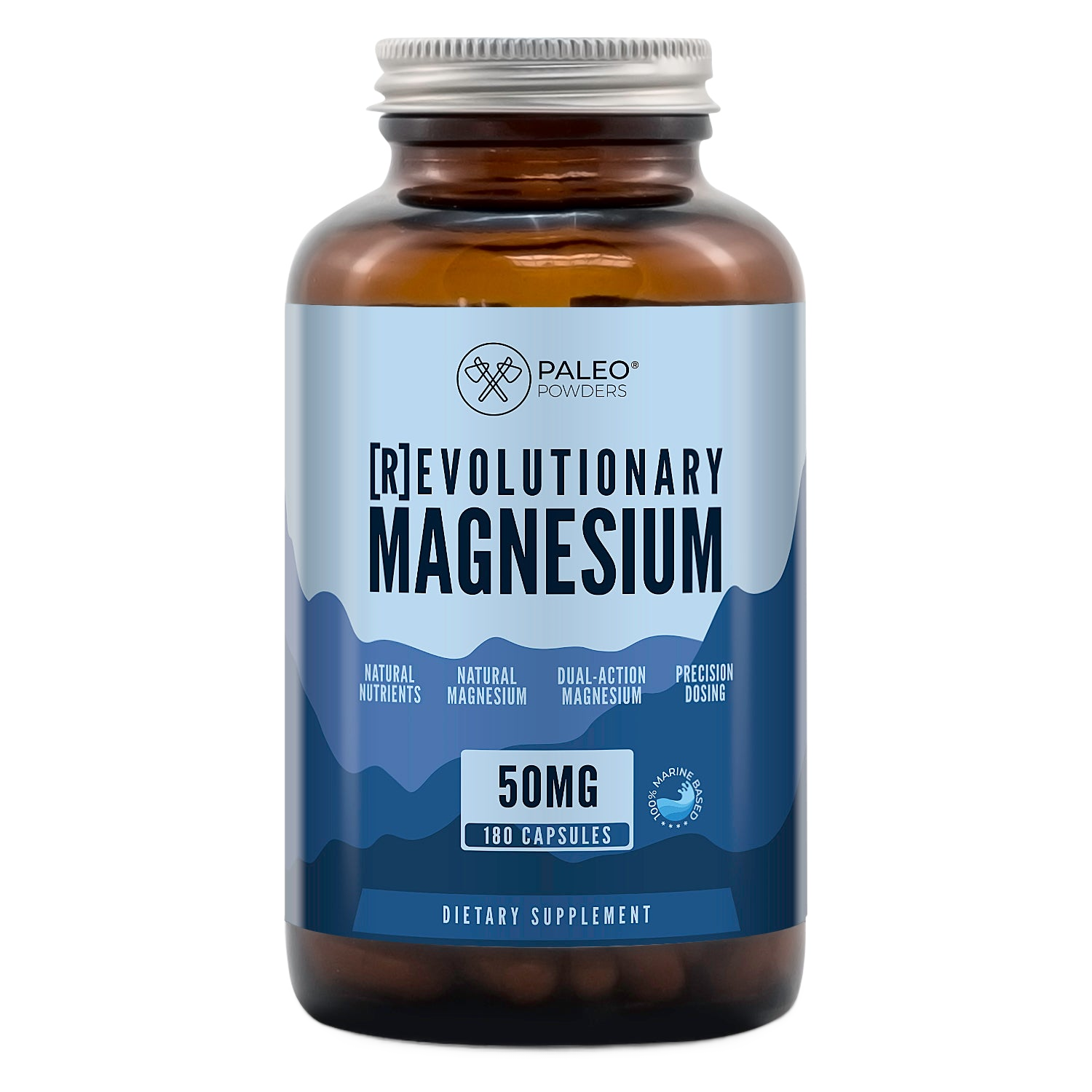
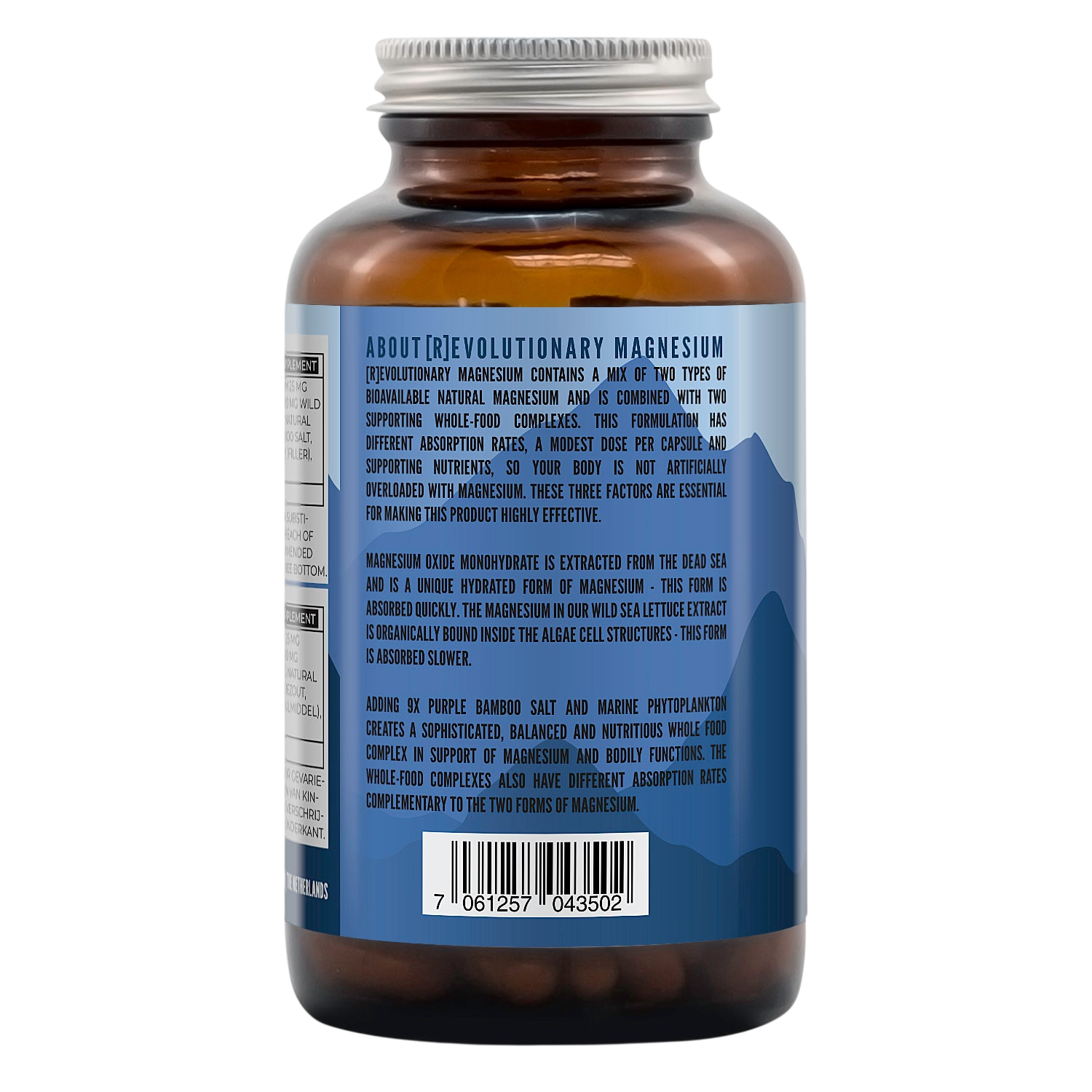
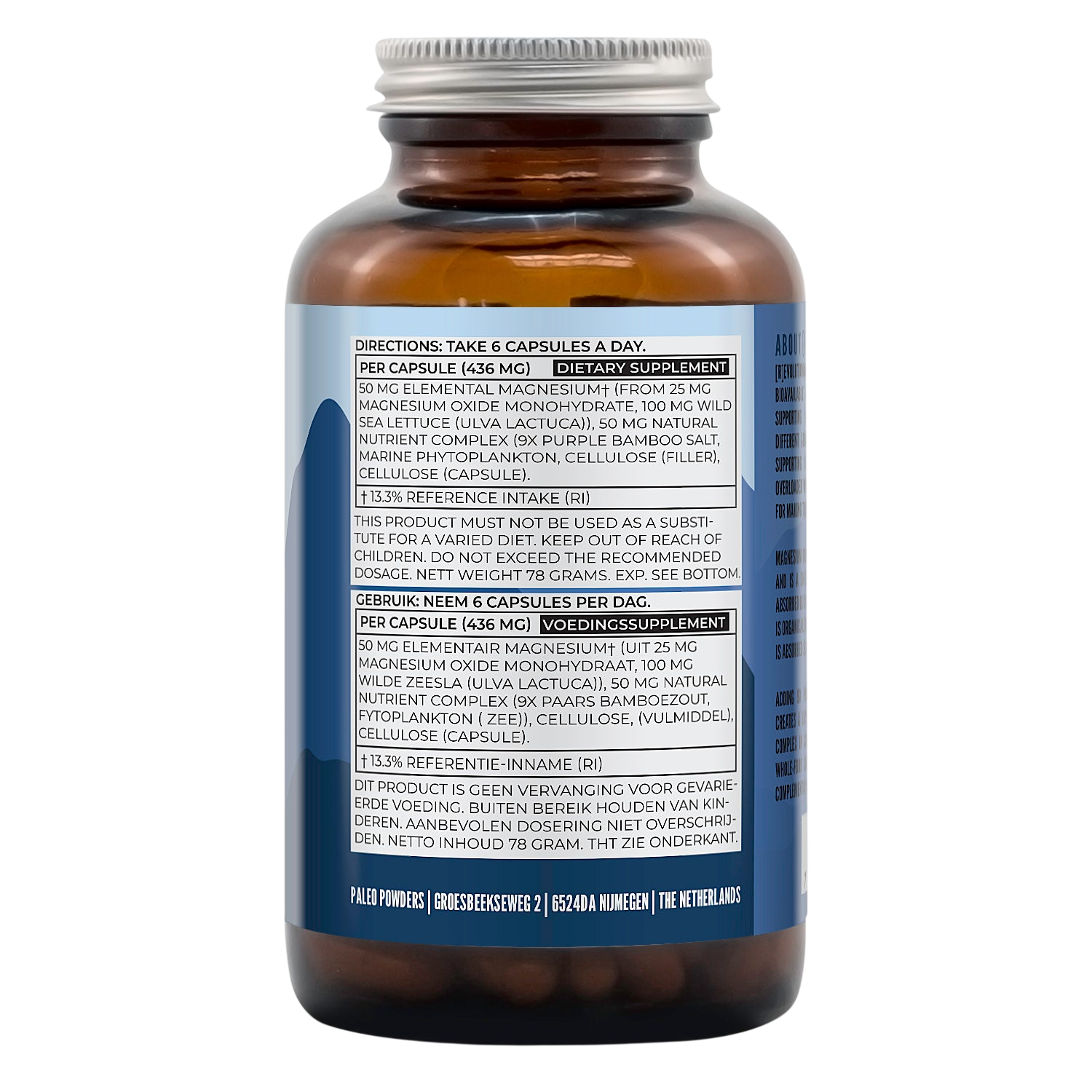
Magnesium - 100% Natural

Read more

Milk Cure: An early experiment with whole foods
Many milk fans will know that at the beginning of the 20th century, physician J.R. Crewe, affiliated with the Mayo Foundation (now the Institute), experimented with a strict milk diet based on raw,...
Read more
Hunters, gatherers, cooks: New study
The way we think about the diet of early humans is changing rapidly. For a long time, it was assumed that hunter-gatherer-fishers mainly ate meat and fish and thus had little culinary refinement. R...
Read more